On this page
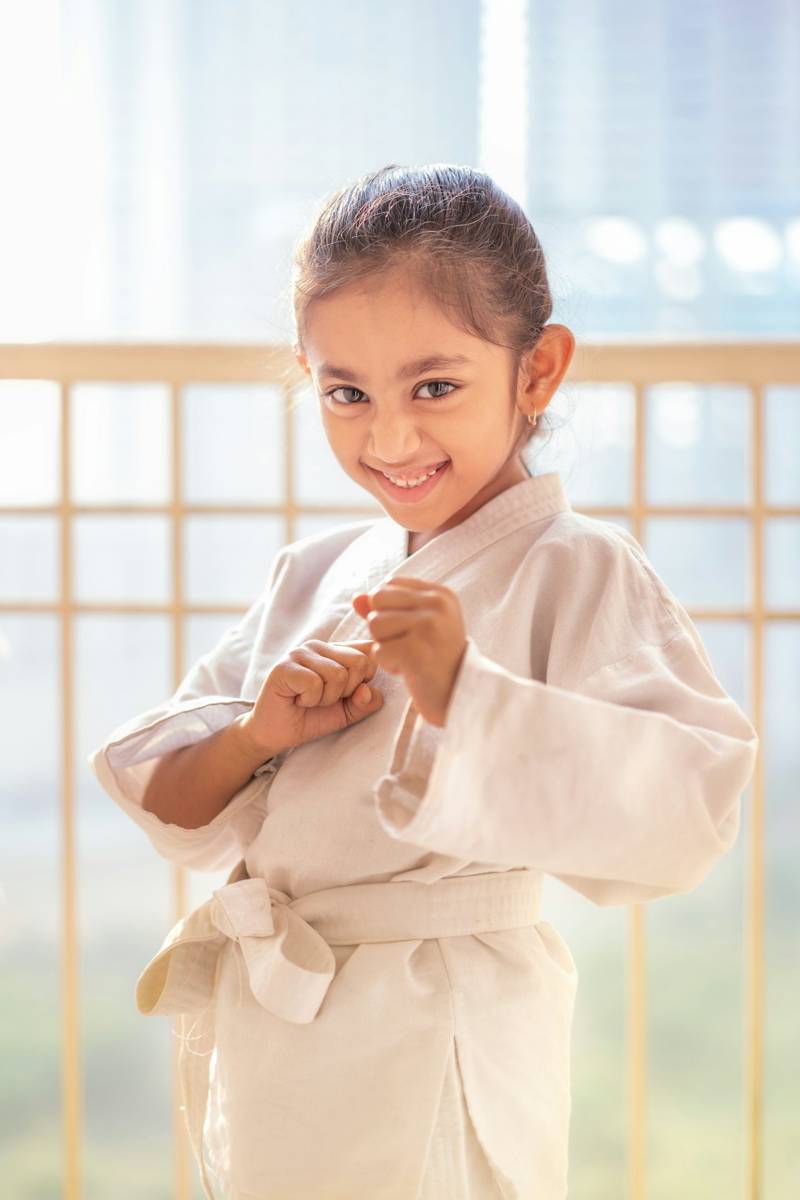
“How old does my child need to be?” is usually the first question parents ask a martial arts school, and the answer they get is usually “we take them from three!” That is true, but it is not the whole story. What a three-year-old does in class is very different from what an eight-year-old does, and some styles suit young children much better than others.
This guide sets out typical starting ages by style, the signs that a child is ready, and what to expect at each stage. Every school is different, so treat these ages as a guide rather than a rule.
For a quick match by age, personality and budget, try the which martial art fits my child quiz.
Typical starting ages by style
| Style | Preschool classes | Main kids’ classes | Notes |
|---|---|---|---|
| Taekwondo | Often from 3 or 4 | About 5 to 6 | Sparring with contact usually starts a few belts in |
| Karate | Often from 3 or 4 | About 5 to 6 | Traditional dojos may prefer 6 or 7 |
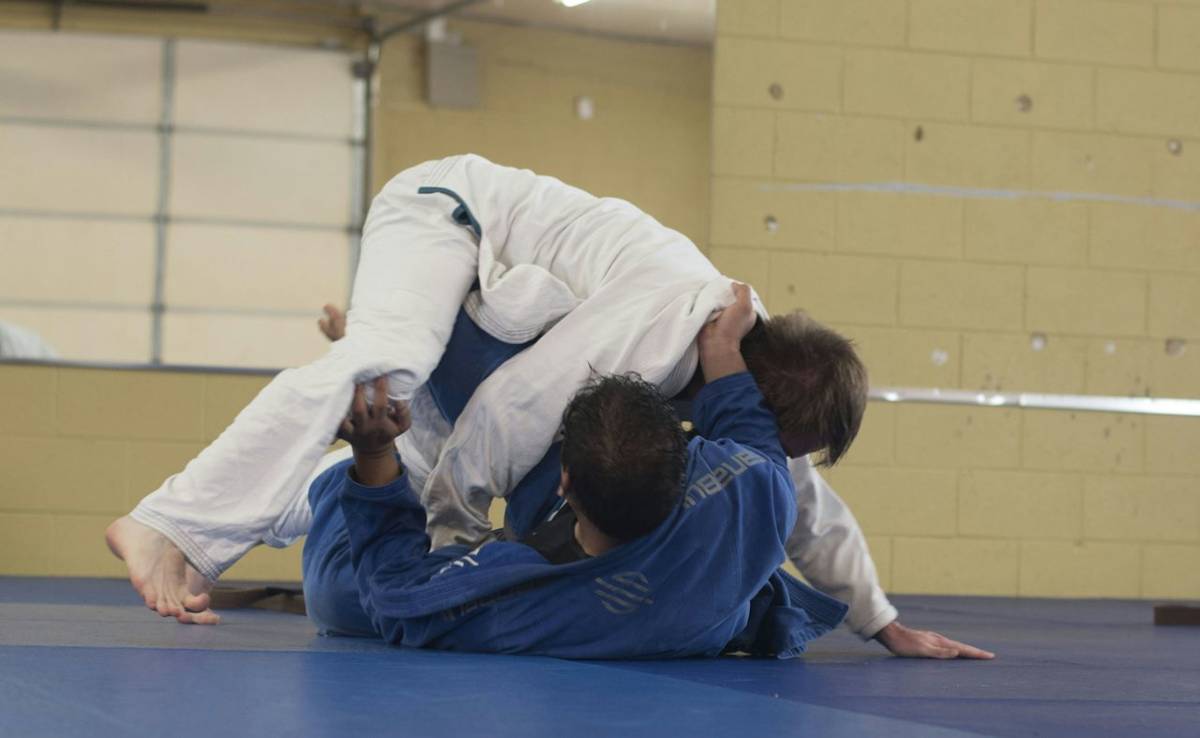
| Brazilian Jiu-Jitsu | Some gyms from 3 or 4 | About 5 to 6 | Kids’ belts run from 4 to 15 under IBJJF rules |
| Judo | Some clubs from 4 | About 5 to 7 | Breakfalls first; chokes and locks wait for teen years |
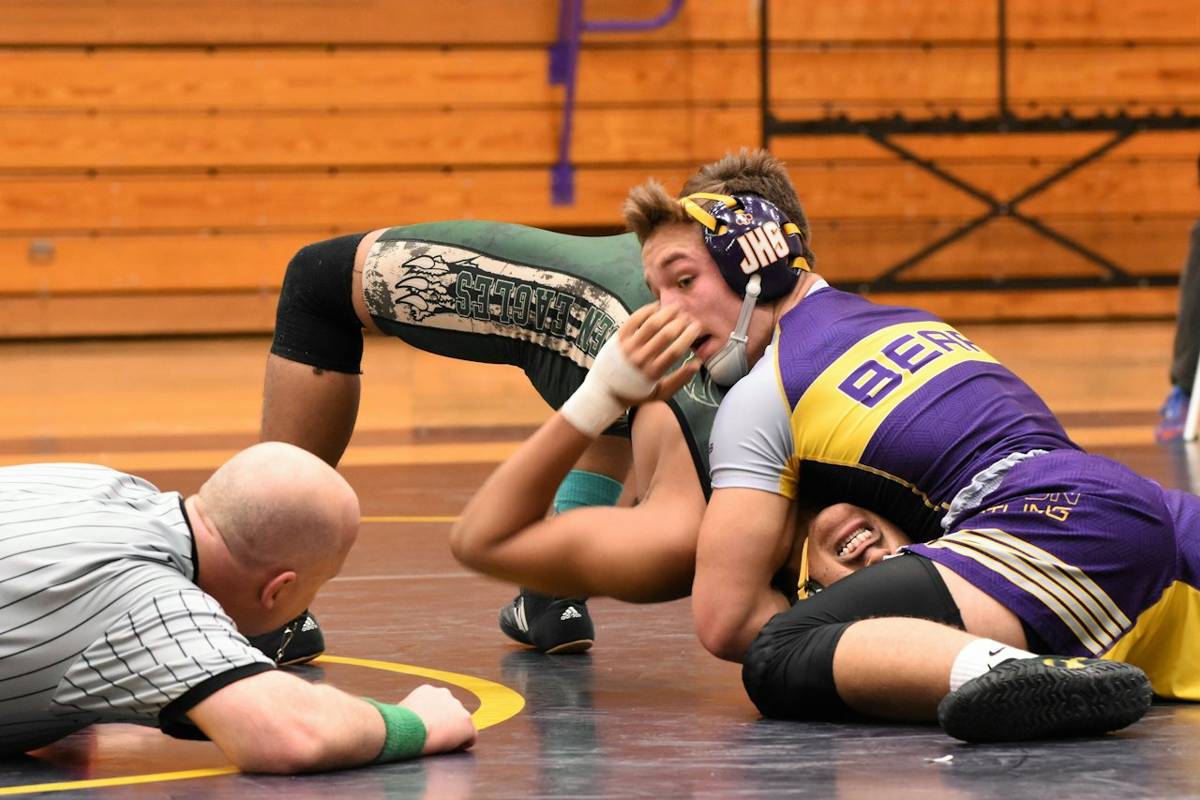
| Wrestling | Rare | Youth clubs from about 5 | School teams usually start in middle school |
| Kung fu and wushu | Some schools from 4 | About 5 to 7 | Acrobatic wushu suits flexible, active kids |
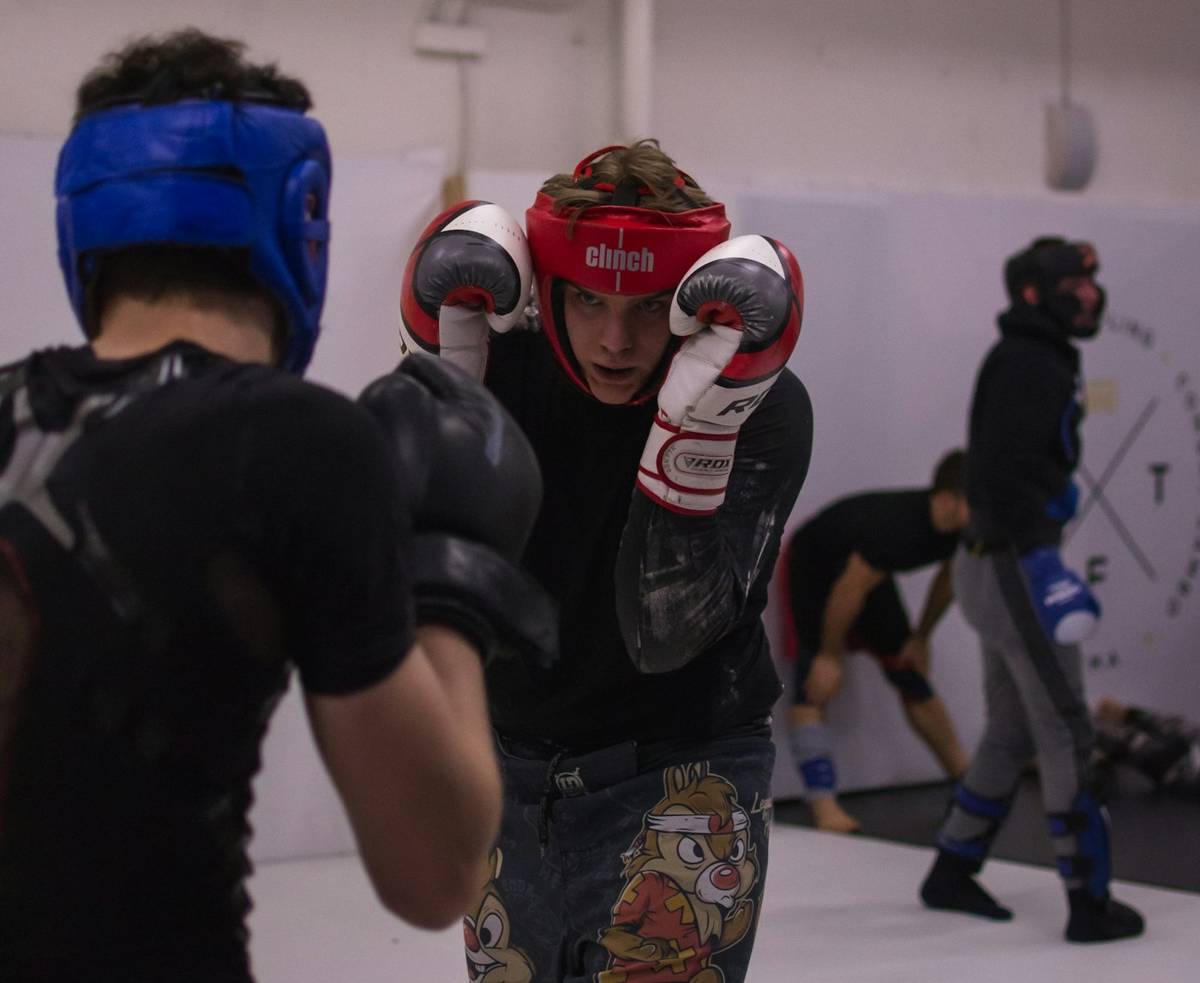
| Muay Thai and kickboxing | Rare | Usually 8 and up | Contact sparring is best left until older |
Signs your child is ready
Age matters less than a few simple abilities. Can your child follow a two- or three-step instruction from an adult who is not you? Can they stay with a group activity for about half an hour without wandering off? Are they comfortable being separated from you in a room with other children? And do they enjoy physical play? If the answer to most of these is yes, they are probably ready for a kids’ class, whatever their age.
If your child is not quite there, a preschool “little ninjas” type class can be a good bridge, or you can simply wait six months. Starting a year later costs very little. Starting too early and having a miserable experience can put a child off for years.
Ages 3 to 4: games, balance and listening
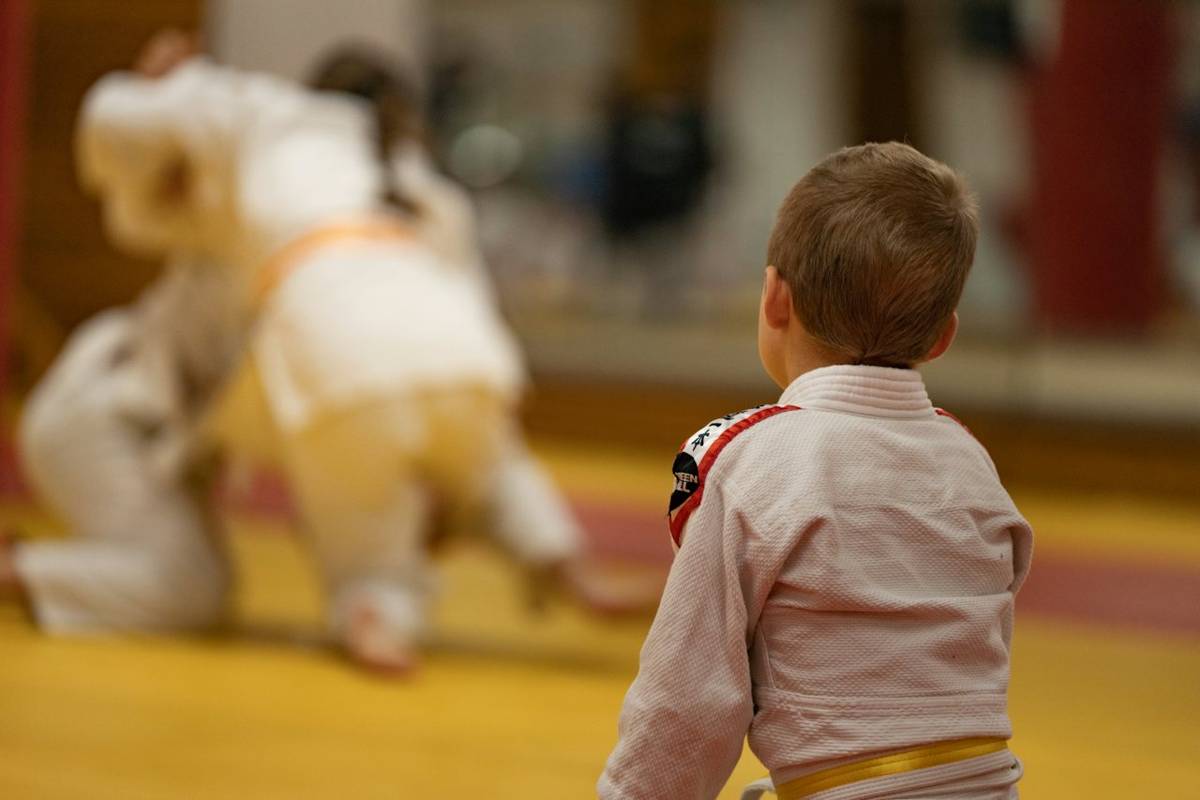
Classes for three- and four-year-olds should be short, usually 30 minutes, and full of games: obstacle courses, balance challenges, freeze games, kicking pads and simple shapes. The real lessons are listening, waiting a turn, following directions and building coordination. Do not expect real technique, and be wary of schools that sell long contracts or belt programs to parents of toddlers.
Ages 5 to 7: the classic starting point
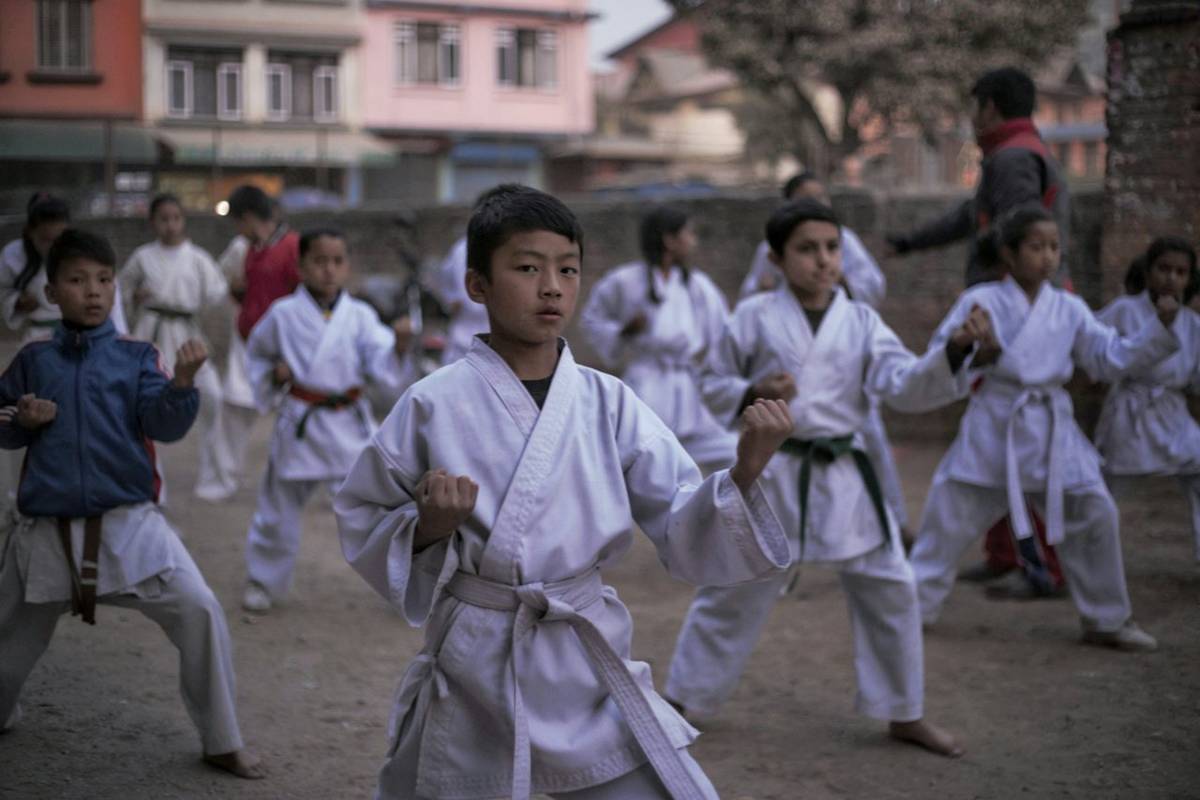
This is when most children begin a proper kids’ class. They can learn basic stances, kicks, punches or grappling positions, memorise short routines and follow class etiquette. In striking arts, they will mostly hit pads and practise forms, with light, controlled partner drills. In grappling arts, they will play positional games and begin gentle live practice. Belt tests become meaningful and exciting at this age.
Ages 8 to 12: real technique and sparring
From about eight, children can understand why a technique works, and their coordination improves quickly. This is a great age to start any style, including those with more contact. Striking arts introduce more sparring, grappling arts allow more submissions under kids’ rules, and children who want to compete can find plenty of age-group tournaments. Wrestling often becomes available through schools around middle school.
Teenagers
Teen beginners learn quickly and can choose from every style, including Muay Thai, boxing, kickboxing, Krav Maga and MMA, which are usually better suited to teens than young children. Teens often care most about fitness, confidence and friendships at the gym, so the culture of the school matters even more.
A note on contact and safety
Whatever the age, ask any school when sparring begins, what contact is allowed, and what protective gear is required. For young children, head contact in striking arts should be very limited and tightly controlled. Pediatric guidance generally encourages a variety of physical activities for young children rather than early specialisation in one sport, so a couple of classes a week alongside other play is plenty.
The bottom line
Five or six is the sweet spot for most children in most styles. Younger children can enjoy well-designed preschool classes, and older beginners are never too late. Choose a class designed for your child’s age group, watch it first, and let enthusiasm, not a sales pitch, set the pace. For help choosing the style itself, see the best martial art for kids.
Questions parents and students ask
What is the best age to start martial arts?
Most children are ready for a dedicated kids' class at about five or six, when they can follow multi-step instructions and stay with a group for 30 to 45 minutes. Many schools run preschool classes from three or four, which are mostly games, balance and listening.
Is 3 too young for martial arts?
Three is young for real technique, but a well-designed class for three- and four-year-olds can build coordination, listening and confidence through games. Keep expectations low, classes short, and look for an instructor experienced with preschoolers.
Is it too late to start martial arts at 10 or 12?
Not at all. Older beginners learn faster, understand technique better and often catch up with children who started years earlier. Ten to twelve is also a great age to start striking arts with more contact, such as kickboxing, or school wrestling.