| What it looks like | |
|---|---|
| Shaolin | Long, athletic forms, kicks, stances |
| Wing Chun | Close-range hands, little kicking |
| Hung Gar | Low stances, strong hand techniques |
| Modern wushu | Acrobatic forms, sanda sparring |
| Tai chi | Slow forms; rarely for young kids |
Pick by goal
- Athletic, flexible childWushu or ShaolinJumps, kicks and flowing forms.
- Practical close-range skillsWing Chun, for older kidsSimple, direct hand techniques.
- Chinese cultureA traditional schoolLion dance, festivals and history.
On this page
Kung fu captures children’s imaginations like no other martial art, thanks to decades of movies and animation. In English, “kung fu” has come to mean the traditional martial arts of China, and there are hundreds of them. For parents, that variety is both the appeal and the challenge: two kung fu schools in the same town may teach almost nothing in common.
What kung fu means
In Chinese, gongfu originally meant skill achieved through long, hard effort, in any field. In English it refers to Chinese martial arts generally. These arts developed over centuries in different regions, temples and families, and each style has its own techniques, forms, philosophy and history.
Styles you are likely to find
Among the styles common in the US are Shaolin-based systems, known for athletic kicks, stances and animal-inspired forms; Wing Chun, a close-range style focused on fast hand techniques, made famous by Bruce Lee’s teacher; southern styles such as Hung Gar and Choy Li Fut, known for strong stances and powerful arm techniques; and Tai Chi, a slow, flowing internal art practised mainly for health and balance, more popular with adults than children. Many schools blend elements of several styles.
Modern wushu
Wushu is the modern sport version of Chinese martial arts. It has two main parts: taolu, spectacular forms routines with jumps, spins, splits and often weapons such as staffs and swords, judged a bit like gymnastics; and sanda (also called sanshou), a full-contact sport combining punches, kicks and throws. Children’s wushu programs focus mostly on taolu and suit flexible, athletic kids who love performing.
What a kids’ class looks like
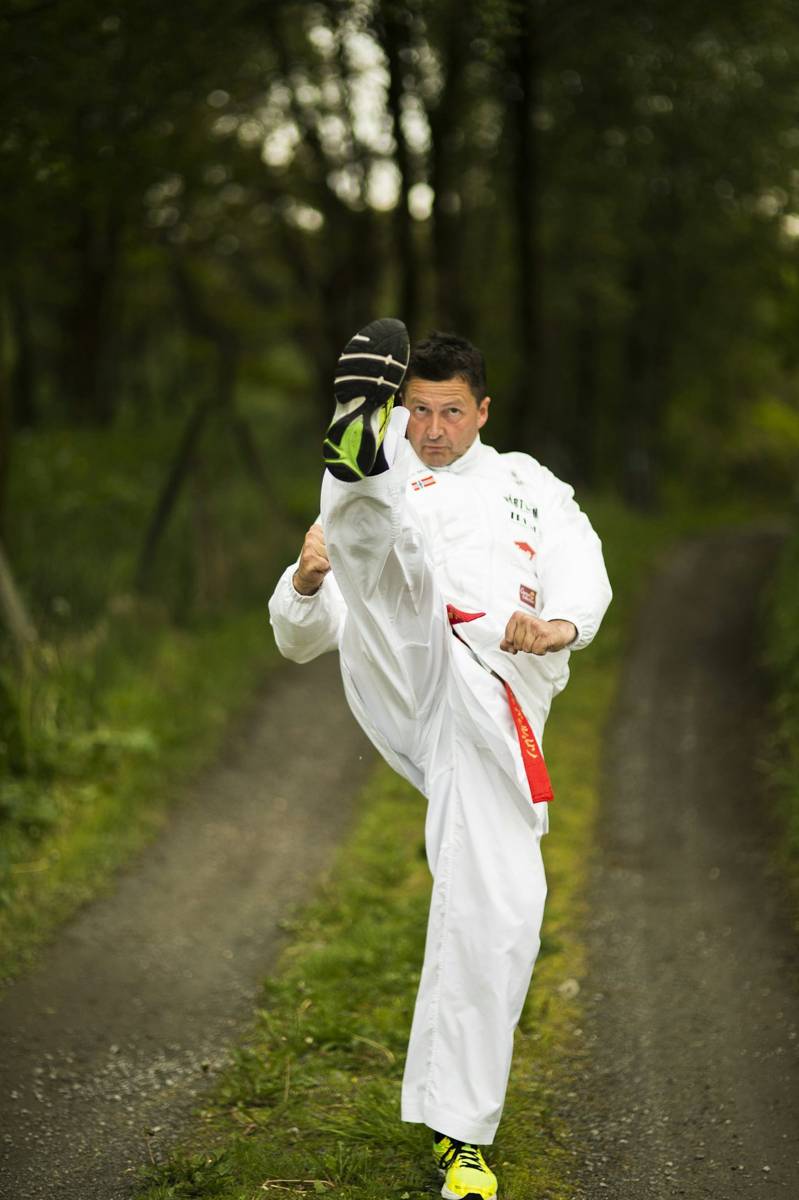
Classes typically include a warm-up and stretching, stance training (horse stance is famous for being hard to hold), basic kicks, punches and blocks, and forms practice. Many schools also teach basic tumbling, and older students learn traditional weapons. Partner drills and sparring vary a great deal; some schools spar regularly, others rarely or not at all.
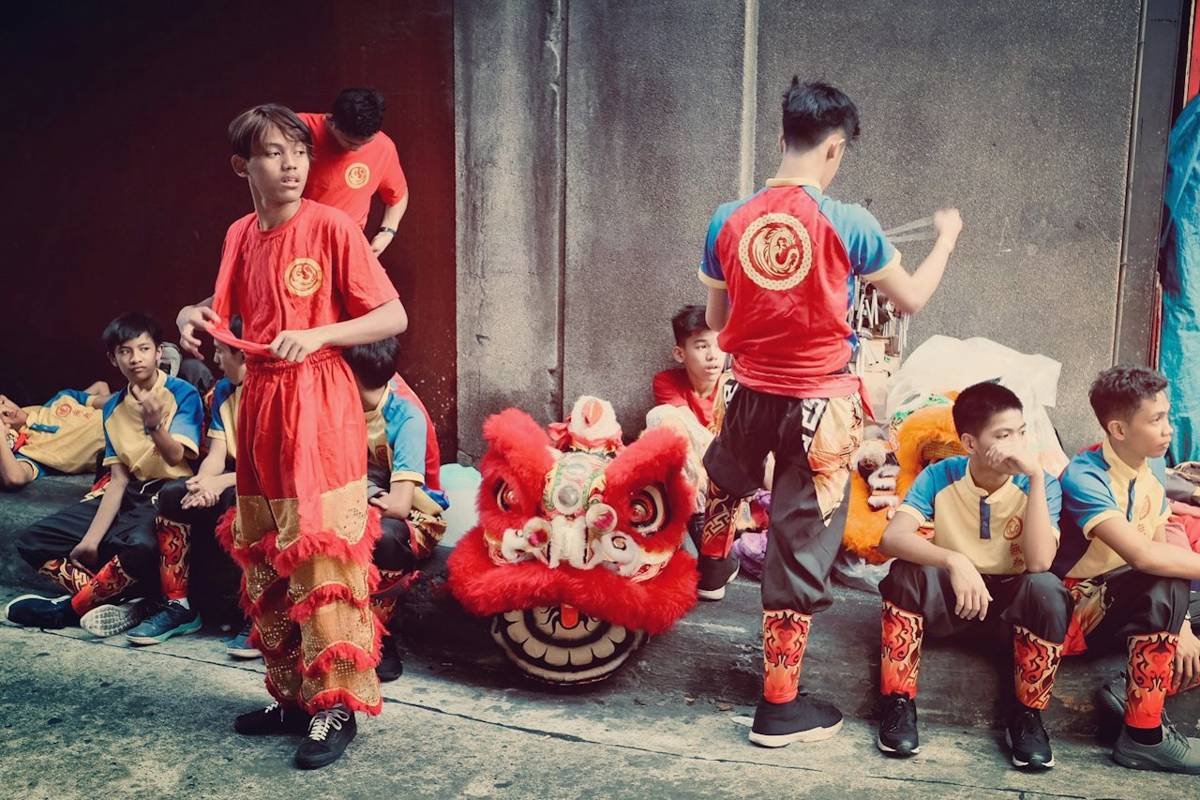
Many kung fu schools teach lion dance, the traditional performance at Lunar New Year and festivals, and children often perform at community events. For families interested in Chinese culture and language, this cultural side can be a big draw.
Ranks and sashes
Many kung fu schools use colored sashes instead of belts, and others use belts, certificates or no visible rank at all. There is no single national system, so ranks from one school rarely translate to another. Ask how the school measures and recognises progress.
Safety and quality
Because kung fu is so varied and there is no single governing structure, quality varies more than in most martial arts. Some schools are outstanding, with deep traditional knowledge or strong wushu coaching; others offer little real training. Watch a class, ask about the instructor’s lineage and training, and check that acrobatic skills are taught progressively on mats. For wushu, ask whether the school is affiliated with a national wushu organization and competes in recognised events.
Benefits for children
Kung fu builds flexibility, balance, leg strength and coordination, and long forms train memory and concentration. Wushu develops athleticism comparable to gymnastics. The cultural elements, from history to lion dance, give some children a strong sense of belonging and pride.
Lion dance and cultural events
Many traditional kung fu schools also run a lion dance team, and for children it is often the highlight. Two performers move a lion costume to drums, cymbals and gongs, and younger children usually start on the instruments. Schools perform at Lunar New Year, festivals, business openings and weddings, which gives children a chance to perform in public and connect with Chinese culture. Lion dance builds strength, timing and teamwork, and it relies on the same stances learned in class. Ask whether your school has a team and what it involves, as performances can mean extra practices and weekend commitments. Our kung fu profile covers the first year.
Is kung fu right for your child?
Kung fu suits children who love movement, performance and the idea of learning an ancient art, and families who value the cultural side. If self-defense is your main goal, ask carefully how much live sparring a school does, or compare with grappling arts such as BJJ and judo. For a broader comparison, see the best martial art for kids.
Questions parents and students ask
What age can kids start kung fu?
Many schools take children from about five, and some run classes for four-year-olds. Acrobatic wushu programs often like to start children young because flexibility develops early.
Is kung fu good for kids?
It can be excellent for coordination, flexibility, focus and fitness, and many schools add cultural activities such as lion dance. Quality varies more than in most styles, so watching a class first is especially important.
What is the difference between kung fu and wushu?
Kung fu is a broad term for traditional Chinese martial arts. Wushu usually refers to the modern sport, which includes acrobatic forms routines (taolu) and a full-contact fighting event (sanda).