On this page
Judo is one of the world’s most widely practised martial arts and an Olympic sport since 1964, yet in the US it is often overlooked by parents shopping for kids’ classes. That is a pity, because judo has a lot to offer children: real self-defense, outstanding fitness, a strong sense of respect and, very often, a lower price than any commercial school.
What judo is
Judo was created in Japan in 1882 by Jigoro Kano, who adapted older jujutsu techniques into a safer system that could be practised at full effort. The name means “the gentle way”. The aim in judo is to throw an opponent cleanly onto their back, or to pin them on the ground. Older students also learn chokes and arm locks, but those are not allowed for young children.
Two ideas sit at the heart of judo: using an opponent’s force and balance against them, so that skill beats size, and mutual welfare and benefit, the idea that training partners help each other improve. Judo classes put a strong emphasis on respect, bowing and care for your partner.
Learning to fall
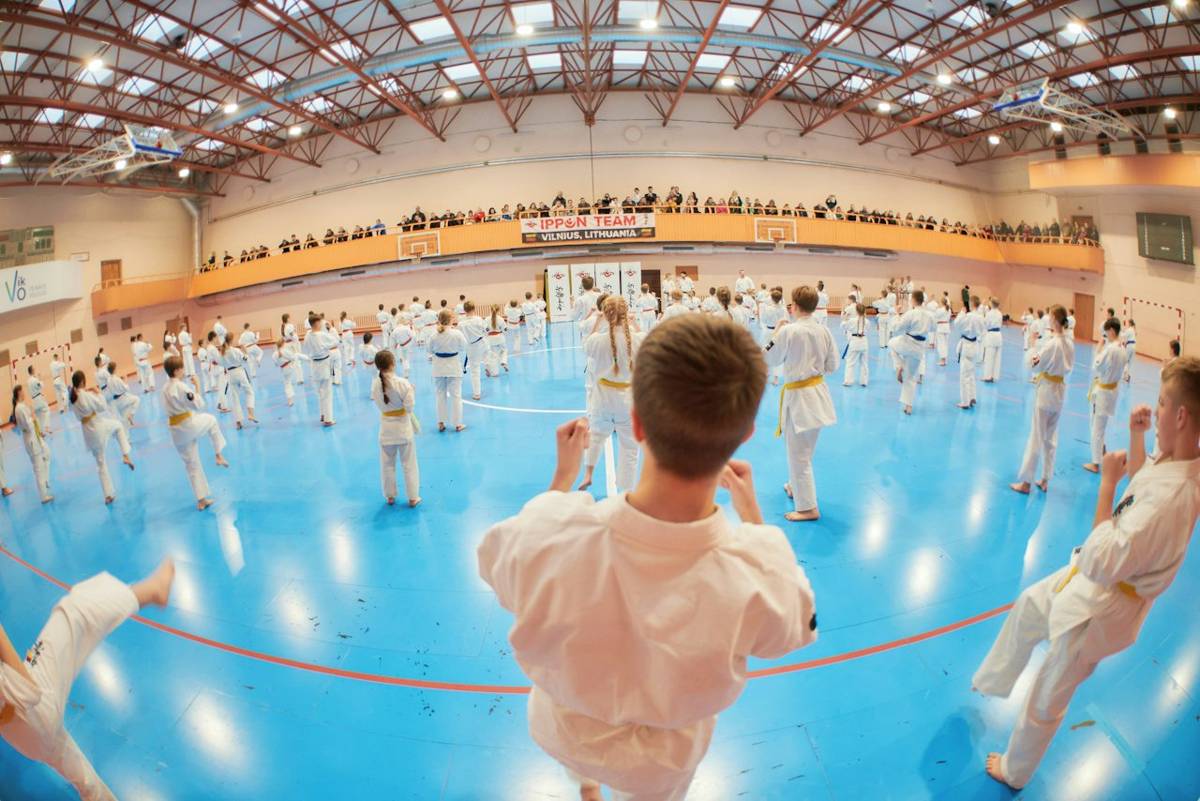
The first thing every judo student learns is ukemi, breakfalls: how to land safely when thrown, slapping the mat to absorb the impact, tucking the chin, rolling over the shoulder. Children practise falling in every single class. It sounds unexciting, but kids love throwing themselves onto the mat, and the skill protects them for life, on the playground, on a bike or on an icy sidewalk.
What a kids’ class looks like
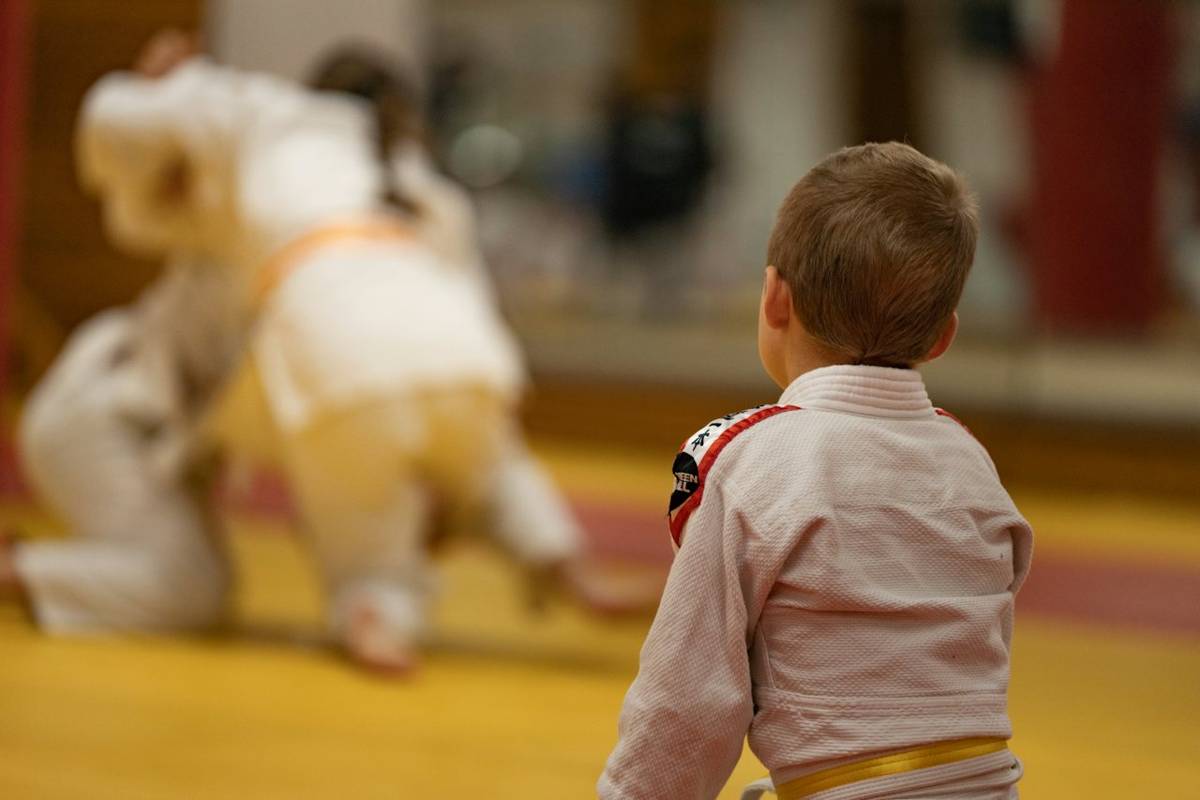
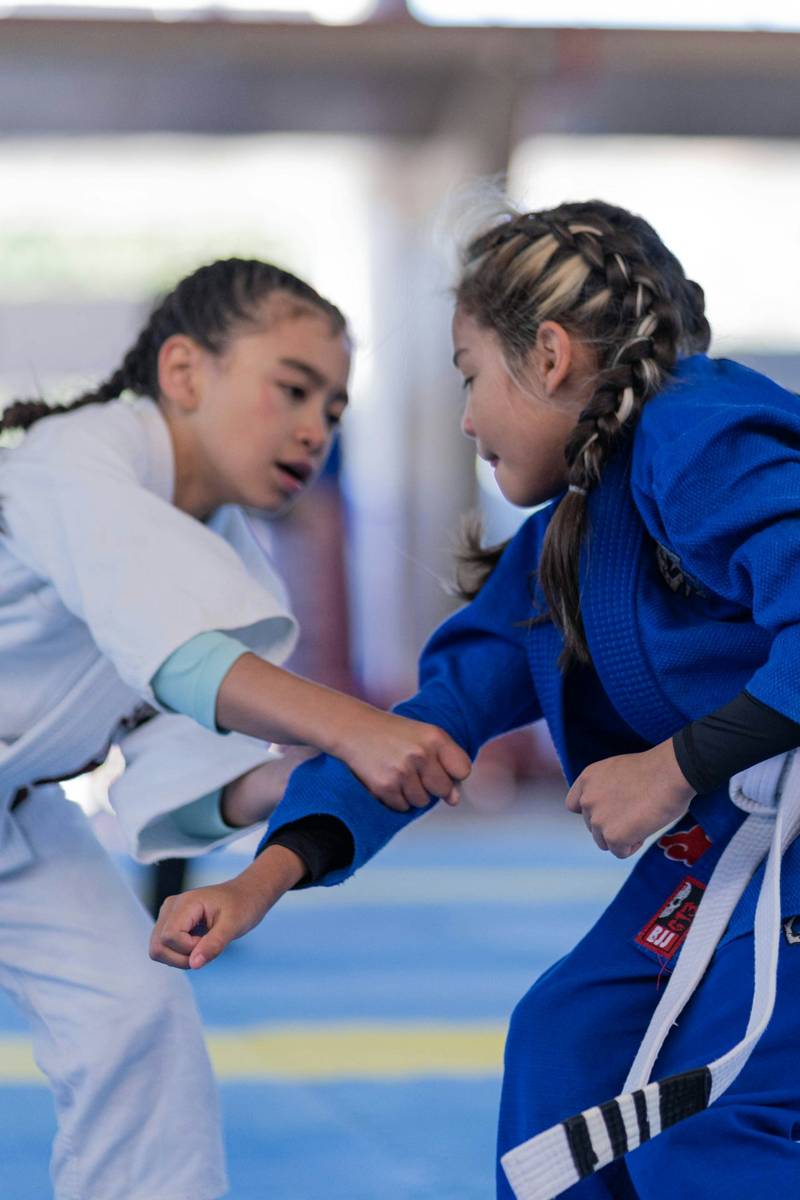
A typical class starts with a bow and a warm-up full of rolls, falls and movement games. The coach teaches a throw or a pin, children practise it with a partner (the one doing the technique is tori, the one receiving it is uke), and then they play judo games or do randori, free practice where both try to throw or pin each other. Young children’s randori often starts from the knees, which is safer and lets them grapple at full effort.
Belts
Judo uses colored belts below black belt. In the US, junior belt colors are set by the national judo organizations and individual clubs, and may include white, yellow, orange, green, blue, purple and brown, sometimes with stripes. Promotion is based on technical knowledge, and in some systems on competition results as well. Adult black belt ranks follow the Kodokan system, with minimum ages for each degree.
Kids’ rules and safety
Children’s judo rules forbid chokes and arm locks until the teen years, at ages set by each federation and event, and some throws are restricted for younger players. Competitors are grouped by age and weight. With proper breakfall teaching and good mats, judo is a safe sport. Ask how the coach pairs children, how they teach falling, and what the club does to keep young players from being thrown by much bigger partners.
Competition
Judo has one of the clearest youth competition pathways in martial arts, from local club tournaments up to national championships and, for the very best, international events. Many children never compete, though, and that is fine.
Why judo is often great value
Many American judo clubs are run by volunteers or as nonprofit organizations, often in community centers, YMCAs, universities or police athletic leagues. Fees are frequently lower than at commercial martial arts schools, and contracts are rare. The trade-off is that clubs are less common than Taekwondo or BJJ schools, may meet only two or three times a week, and do not usually offer after-school pickup. Clubs registered with USA Judo or other national organizations can be found through their club directories.
Benefits for children
Judo builds balance, strength, coordination and courage. Children learn to control another child without striking, to fall safely and to stay calm under pressure. The culture of respect and mutual help is strong, and older students commonly help coach younger ones.
How to choose a club
Watch a class, ideally a children’s session. Look for a big, well-padded mat area, children sorted by size and age, plenty of breakfall practice and a coach who is patient and safety-minded. Ask about the coach’s rank and certification and the club’s affiliation.
For comparisons, read BJJ vs judo and our overview of the best martial art for kids.
Questions parents and students ask
What age can a child start judo?
Many clubs start children at about five to seven, and some run classes for four-year-olds. Children first learn to fall safely before learning throws.
Is judo safe for kids?
Yes, in a good club. Children learn breakfalls before throws, train on thick mats, and children's rules forbid chokes and arm locks until the teen years. Coaches should pair children by size and supervise closely.
Is judo good for self-defense?
Judo is very practical for the kind of grabbing and shoving common in real conflicts, because children learn balance, throws and control against a resisting partner. Learning to fall safely is also a lifelong benefit.