| Meaning | |
|---|---|
| Rei | Bow |
| Hajime | Begin |
| Matte | Wait or stop (referee) |
| Sore made | That is all: end of the match |
| Osaekomi | Pin is on (referee starts timing) |
| Toketa | Pin broken |
| Ippon | Full point, wins the match |
| Waza-ari | Half point; two make ippon |
| Shido | Minor penalty |
On this page
Judo was founded in Japan by Jigoro Kano in 1882, and clubs around the world still use Japanese for commands, techniques and scoring. Children pick up the words quickly. Parents who know the basics find classes and tournaments much easier to follow.
In the dojo
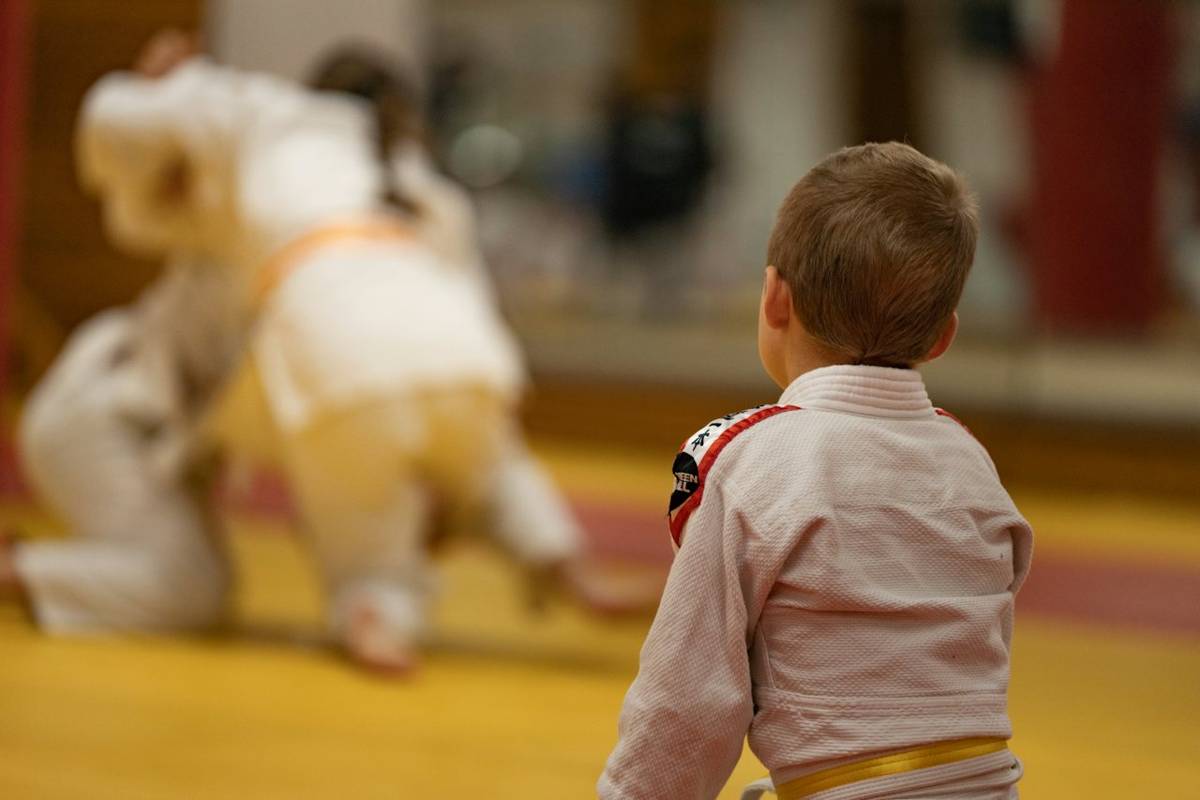
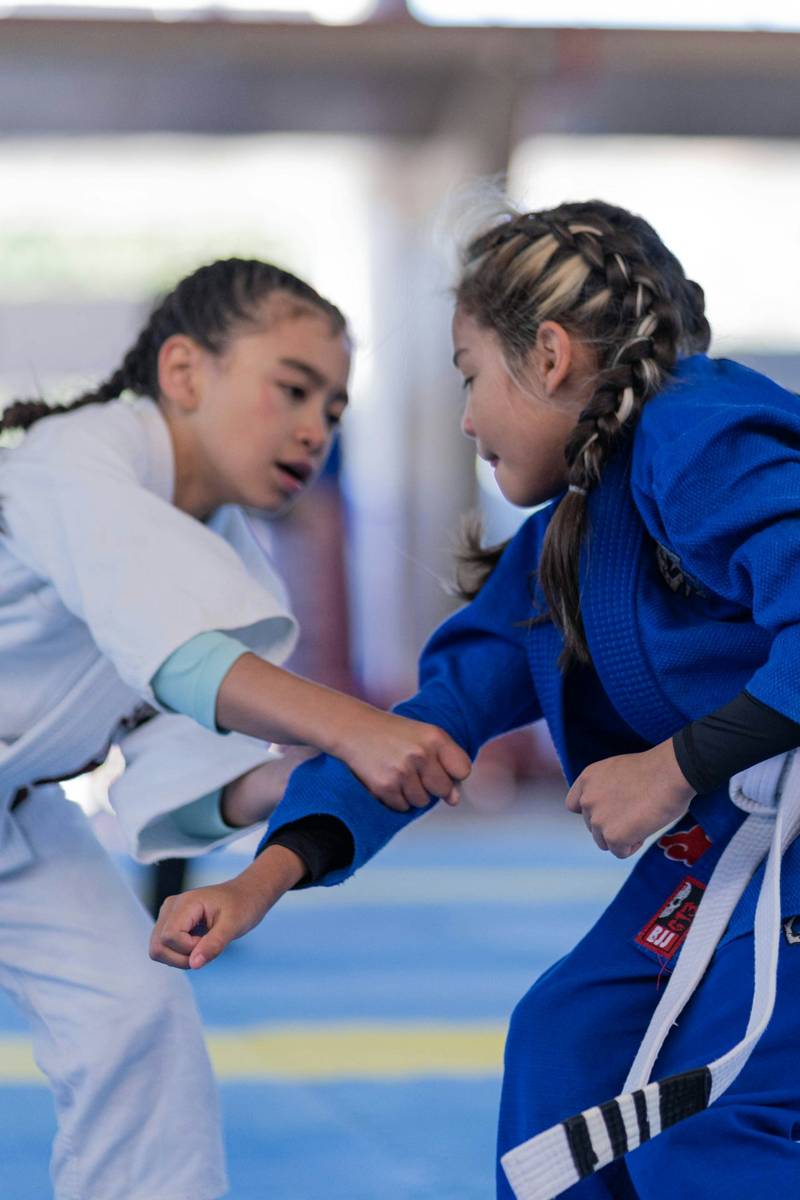
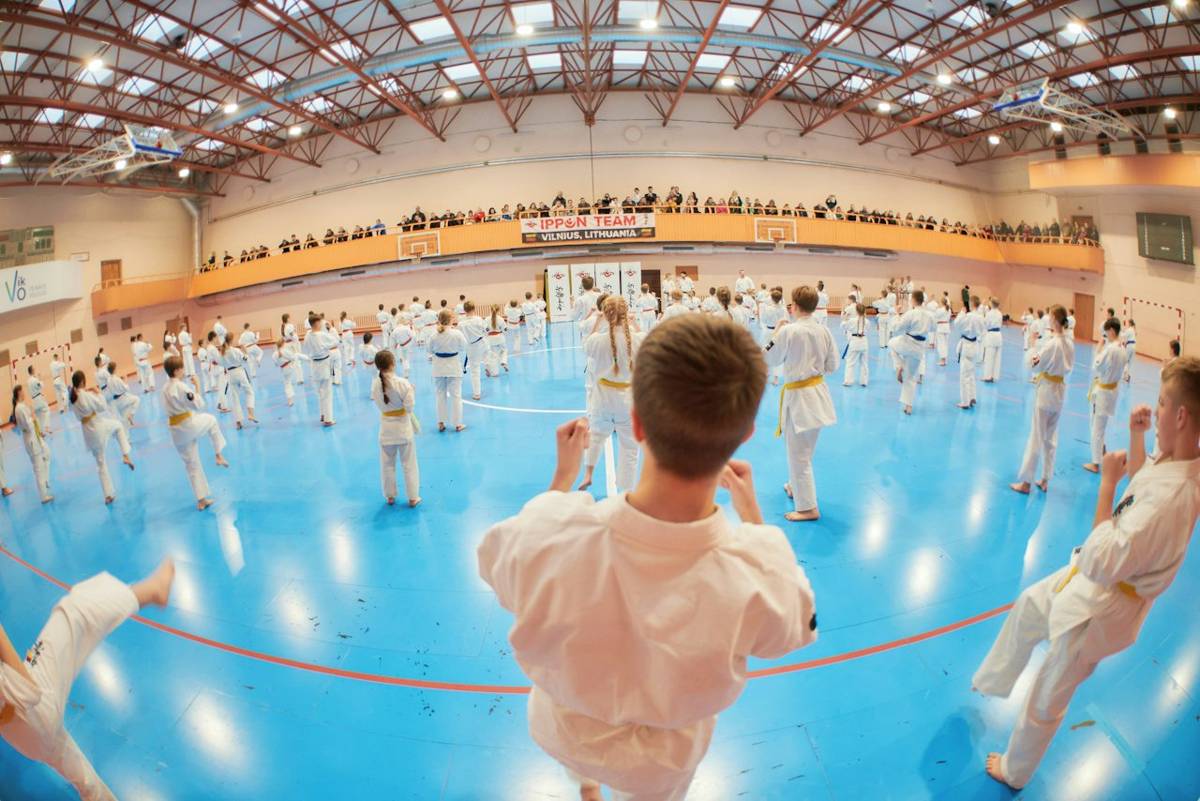
The training hall is the dojo and the mat is the tatami. The uniform is a judogi, often just called a gi, and the belt is an obi. The instructor is called sensei. Class starts and ends with rei, a bow, often from seiza, a formal kneeling position. During practice, hajime means begin and matte means stop. Uchikomi is repetition practice of a throw’s entry, and randori is free practice with a resisting partner.
Falls, throws and pins
Ukemi means breakfalls, the first thing children learn; our guide to judo breakfalls explains each one. Nage waza means throwing techniques, and katame waza means ground techniques, which include osaekomi waza (pins). The person performing a technique is tori, and the person receiving it is uke.
Many technique names describe the movement: o means big and ko small, soto outer and uchi inner, gari reap, barai sweep, goshi hip and nage throw. So o soto gari is the big outer reap, and ko uchi gari the small inner reap. Our guide to the first judo throws lists the techniques children learn first.
Ranks
Ranks below black belt are kyu grades, and black belt ranks are dan grades, starting with shodan. Our guide to judo belts for kids explains the order.
Tournament scores and calls
The table above lists the calls you will hear at a tournament. Ippon is a full point that wins the match at once, scored by a clean throw onto the back, a pin held for the required time or, for older players, a submission. Waza-ari is a half point, and under current international rules two waza-ari make ippon. Osaekomi means the pin is on and the clock is running; toketa means it has been broken. Shido is a minor penalty, for example for passivity or illegal grips. Sore made ends the match. Rules for children are often simplified; our guide to kids judo tournaments explains more.
Helping your child learn
Ask your child to teach you the words, or count and call commands during home stretching. Watching a few judo matches online together is a fun way to learn the scores before a first tournament.
Questions parents and students ask
What does ippon mean in judo?
Ippon is a full point that ends the match immediately. It is scored by a clean, powerful throw that lands the opponent largely on their back, a pin held long enough, or a submission (for older players).
What is the difference between ippon and waza-ari?
Waza-ari is a half point, awarded for a throw that is not quite perfect or a shorter pin. Under current international rules, two waza-ari add up to ippon and win the match.
What do judo players say before practice?
They bow (rei) to the mat, the instructor and each other. Many clubs also kneel in seiza at the start and end of class and bow from the kneeling position.