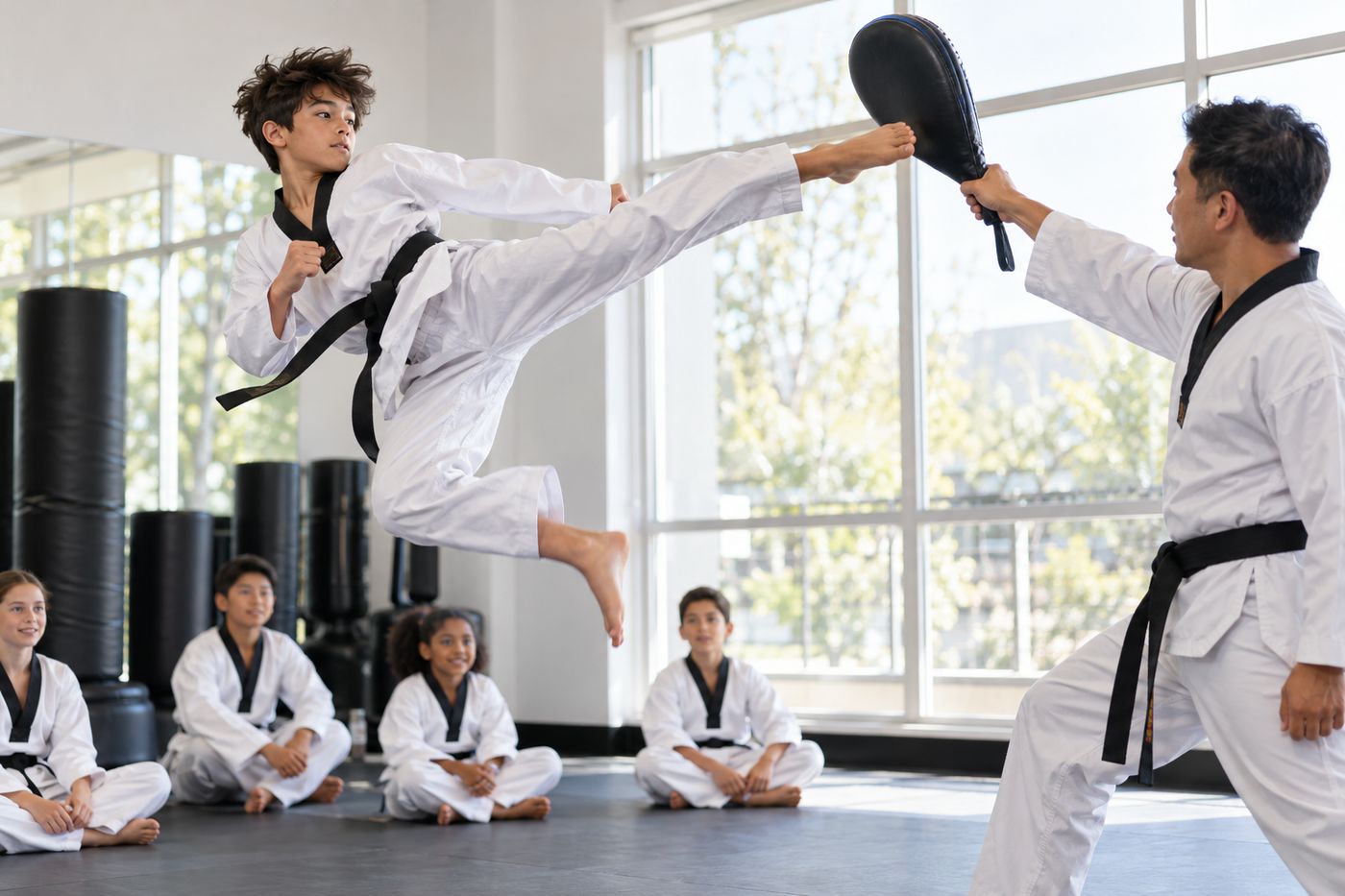
Taekwondo
태권도 "the way of the foot and fist"
The kicking art from Korea, and the most common martial art for American kids.
- Comes from
- Korea
- Type
- Striking, mostly kicks
- Usual start
- About 4 to 6
- Olympic
- Yes, since 2000
- Typical cost
- $100 to $250 a month
- Ranks
- 9 colored belts, then black
In one minute
Taekwondo was formed in Korea in the 1940s and 1950s and became an Olympic sport in 2000. It is famous for fast, high and spinning kicks, and for a clear belt system that gives children a new goal every few months.
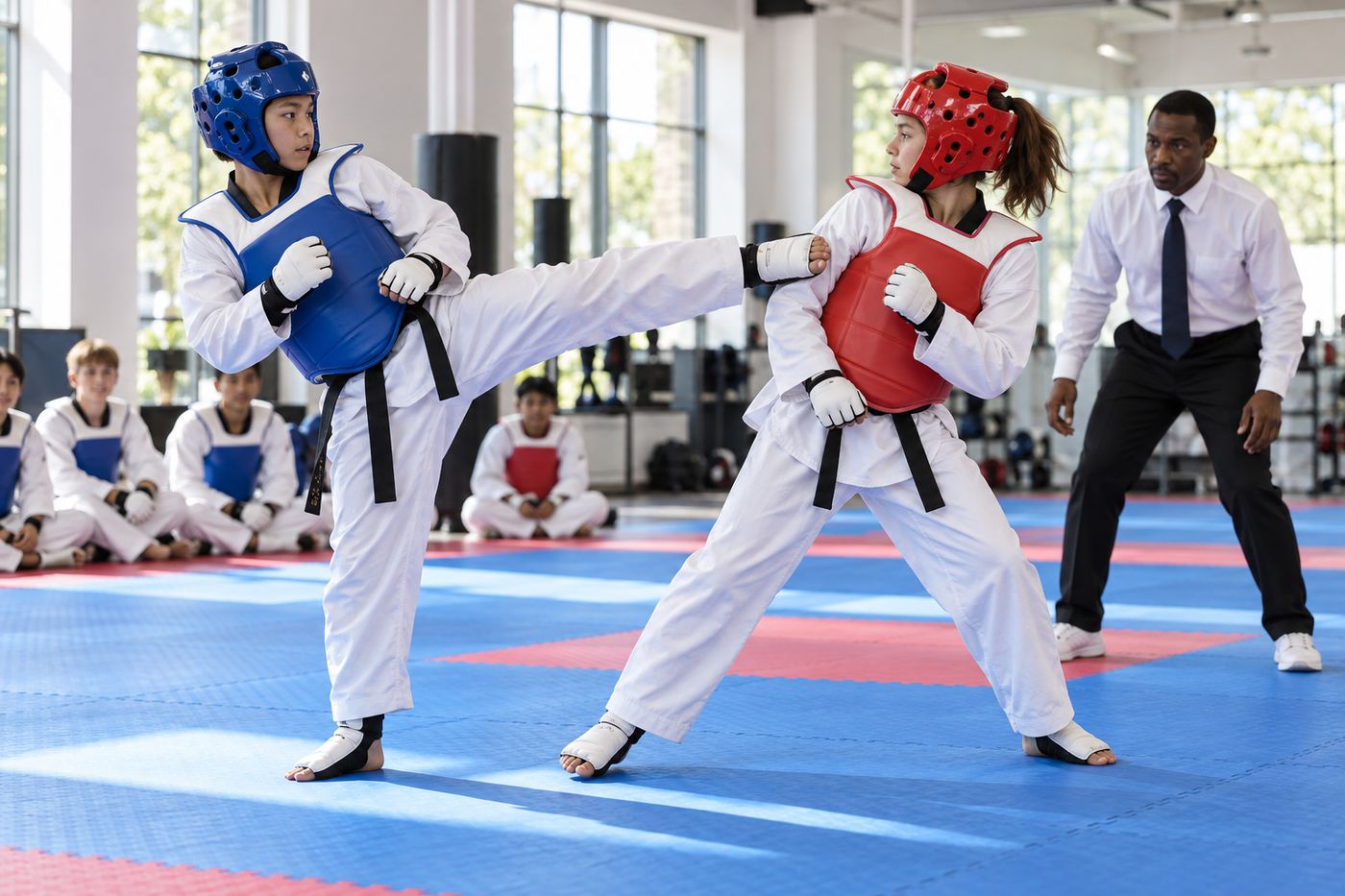
A good children's class mixes kicking drills, forms (poomsae), board breaking and, as children progress, sparring in padded vests and headgear. Because schools are everywhere and the structure is so clear, it is often the first martial art a family tries.
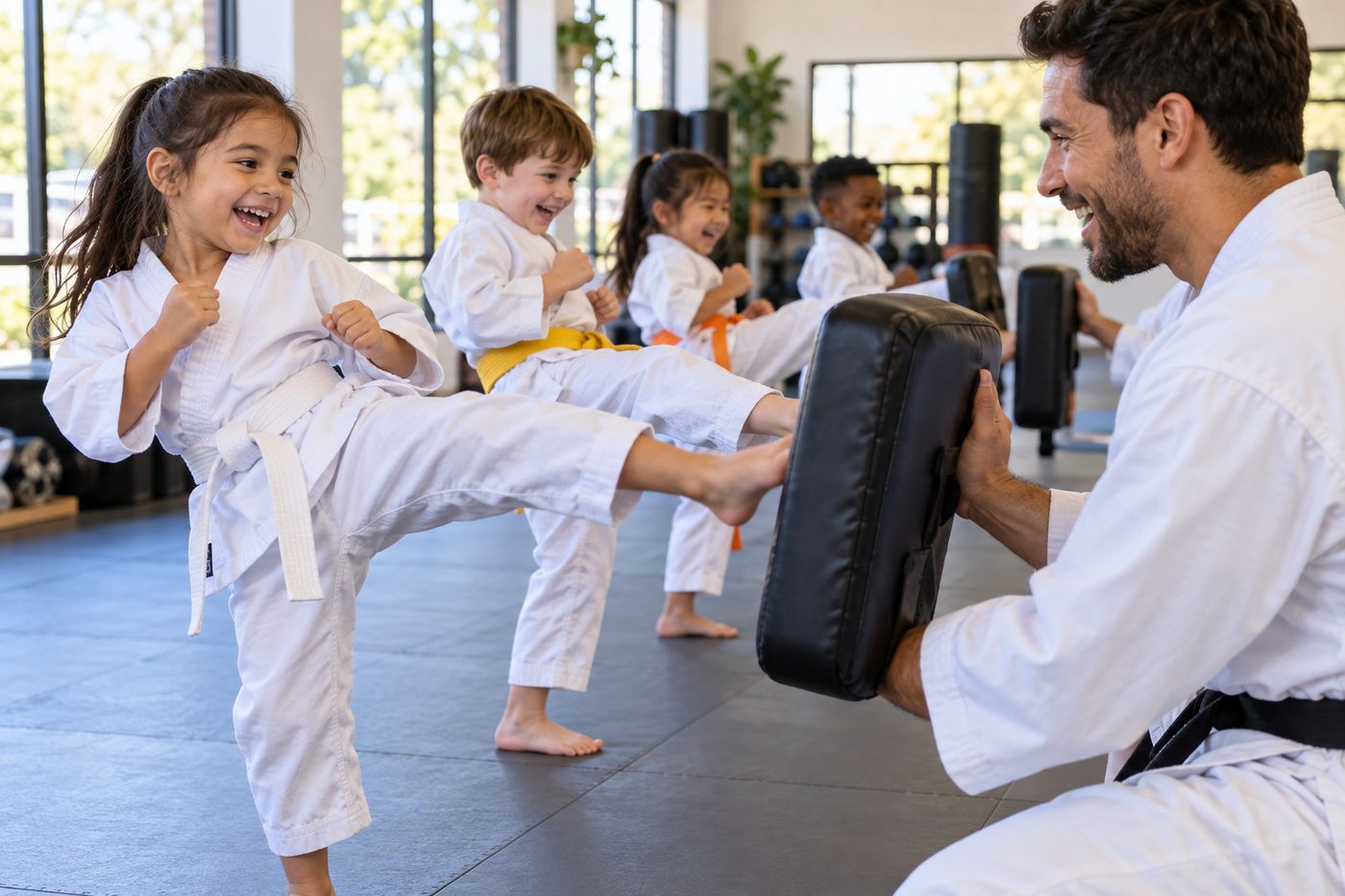
Inside a class
What a class looks like
A typical 45 to 60 minute kids class, minute by minute.
- 10 minBow in and warm upLining up by rank, counting in Korean, stretching
- 15 minKicking drillsFront, roundhouse and side kicks on pads and targets
- 15 minFormsThe poomsae for each child's belt
- 15 minSparring or gamesPadded sparring for older kids, agility games for little ones
- 5 minBow outLine up, a short talk on focus or respect
About 60 minutes in all.
Ranks and progress
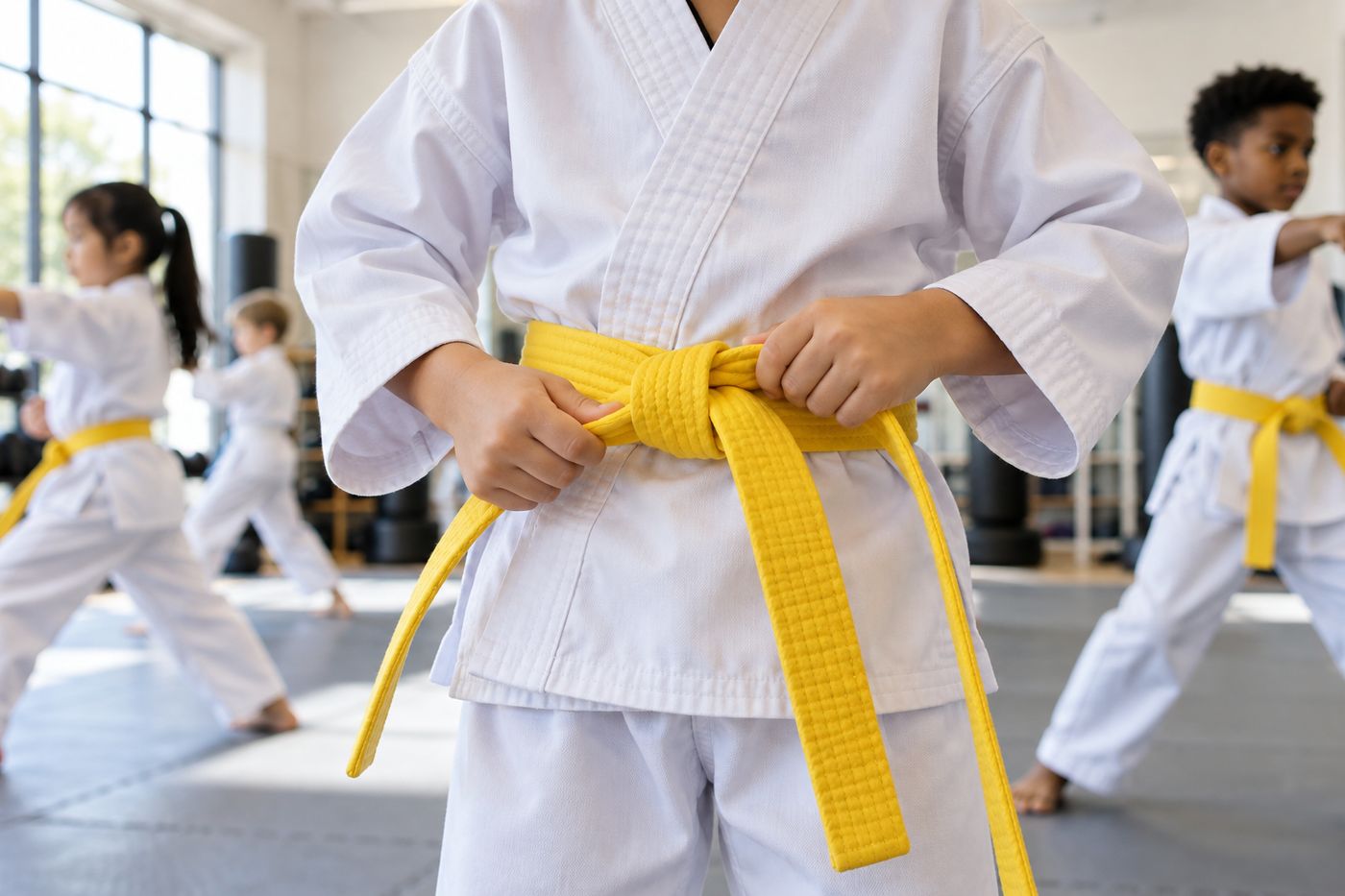
Most US schools use nine colors before black belt. Six-color schools skip orange, purple and brown.
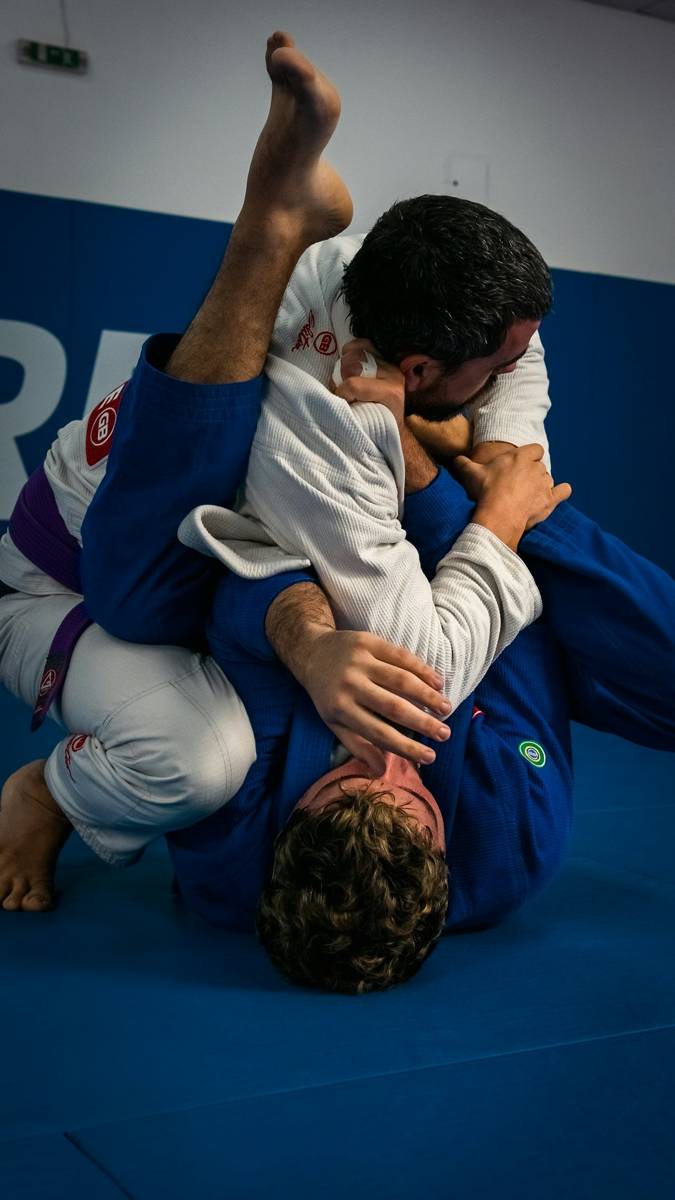
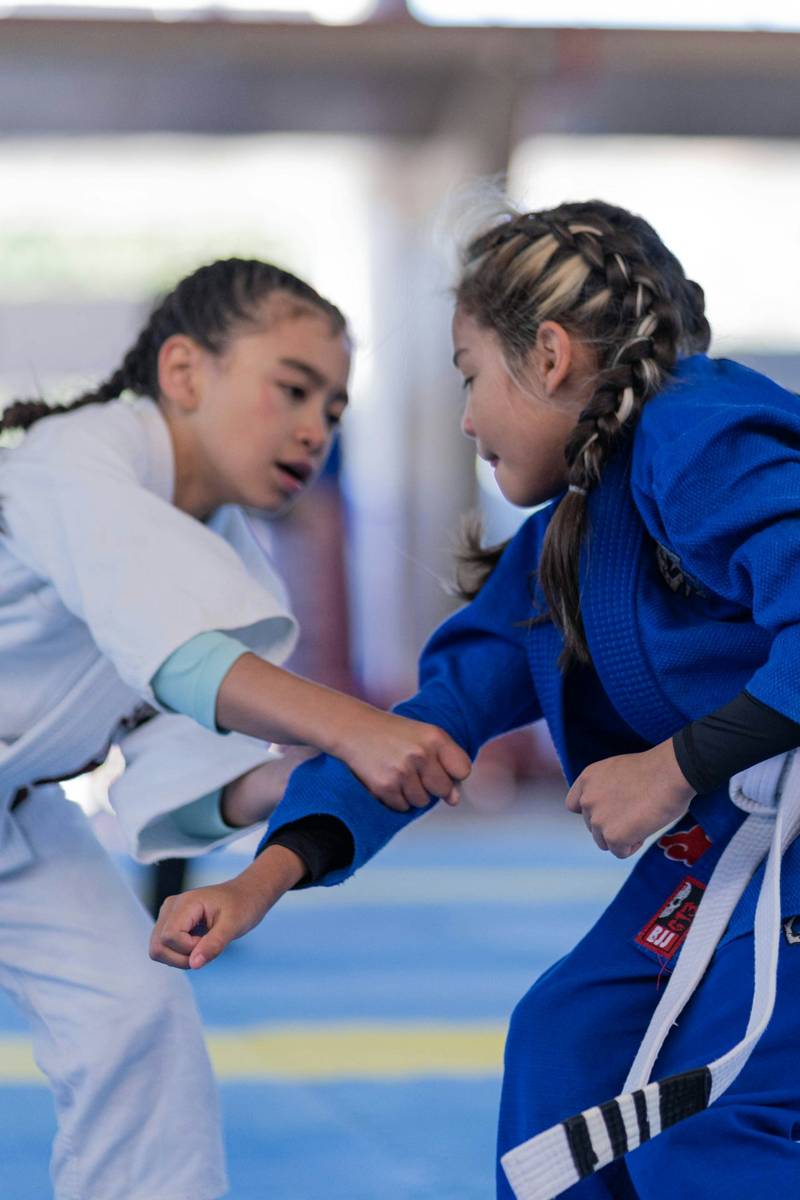
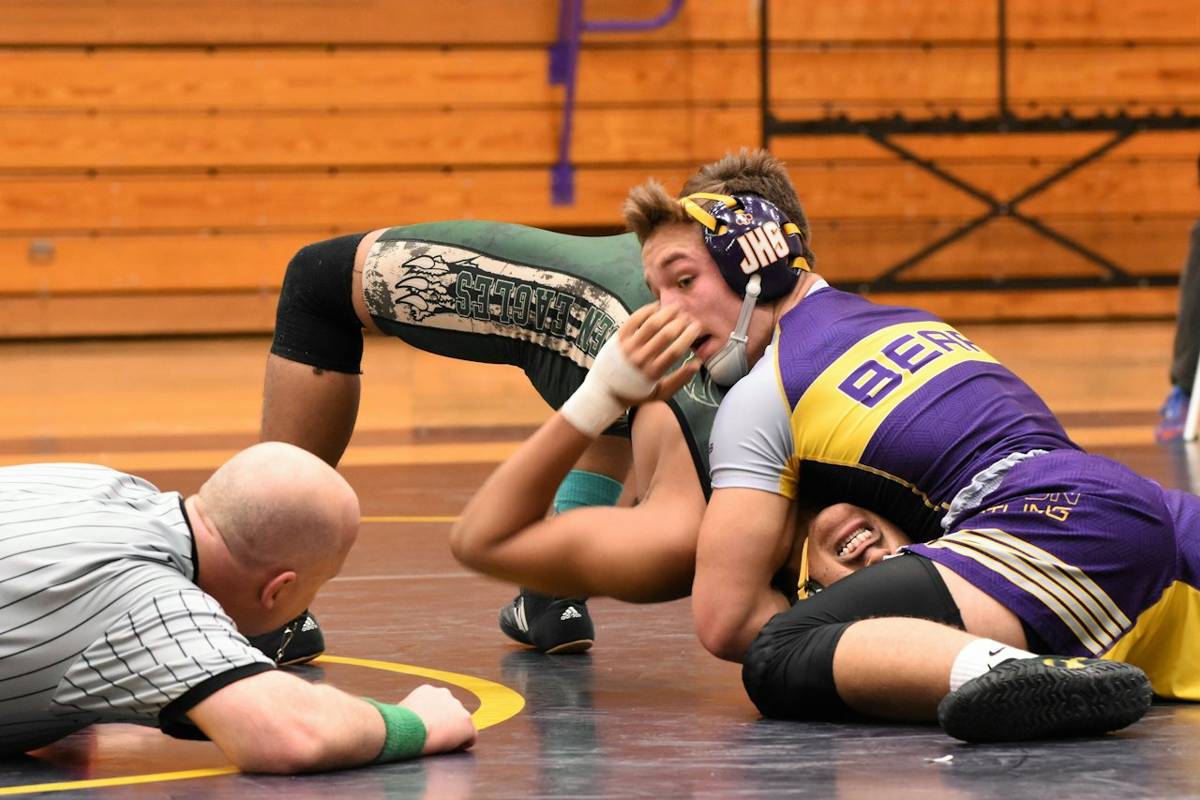
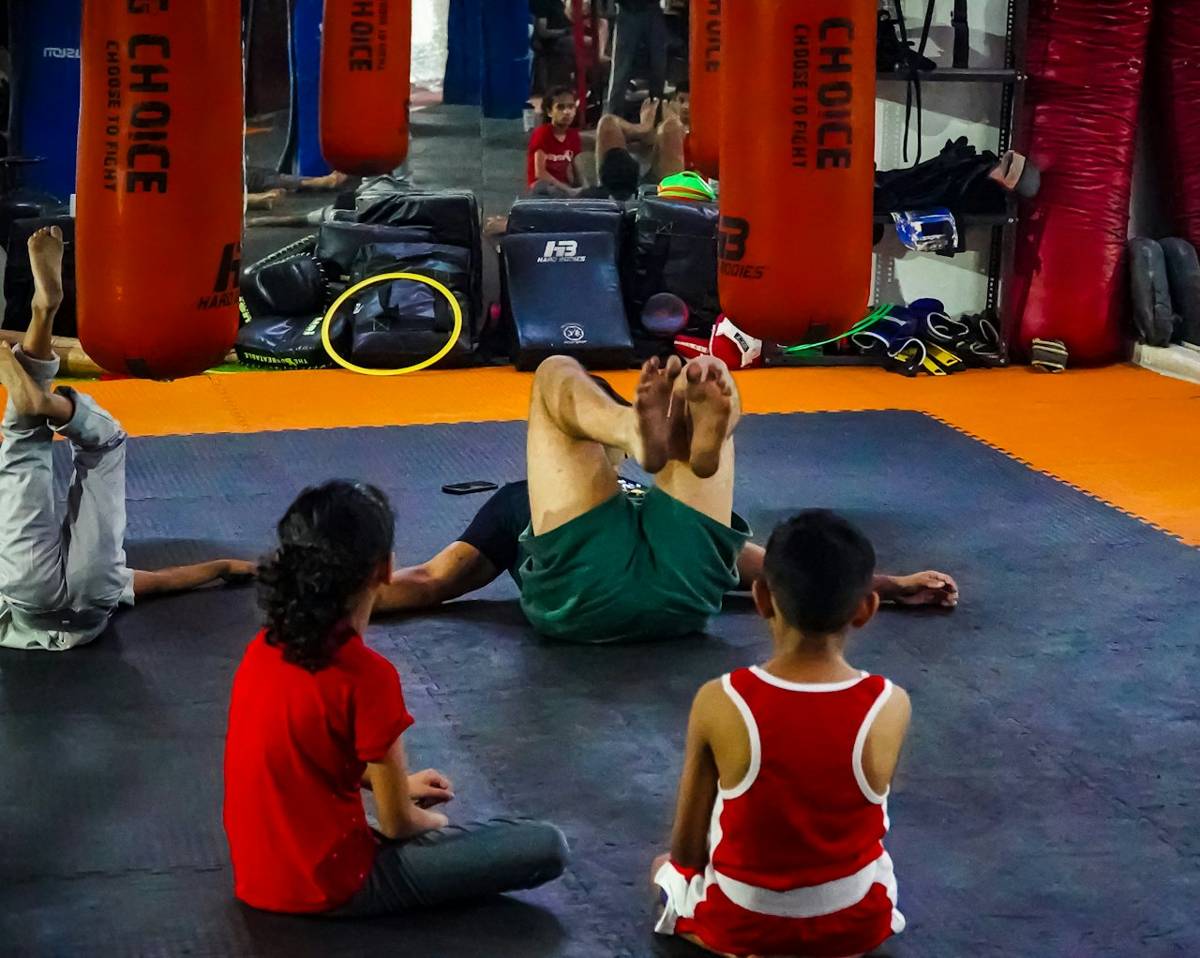
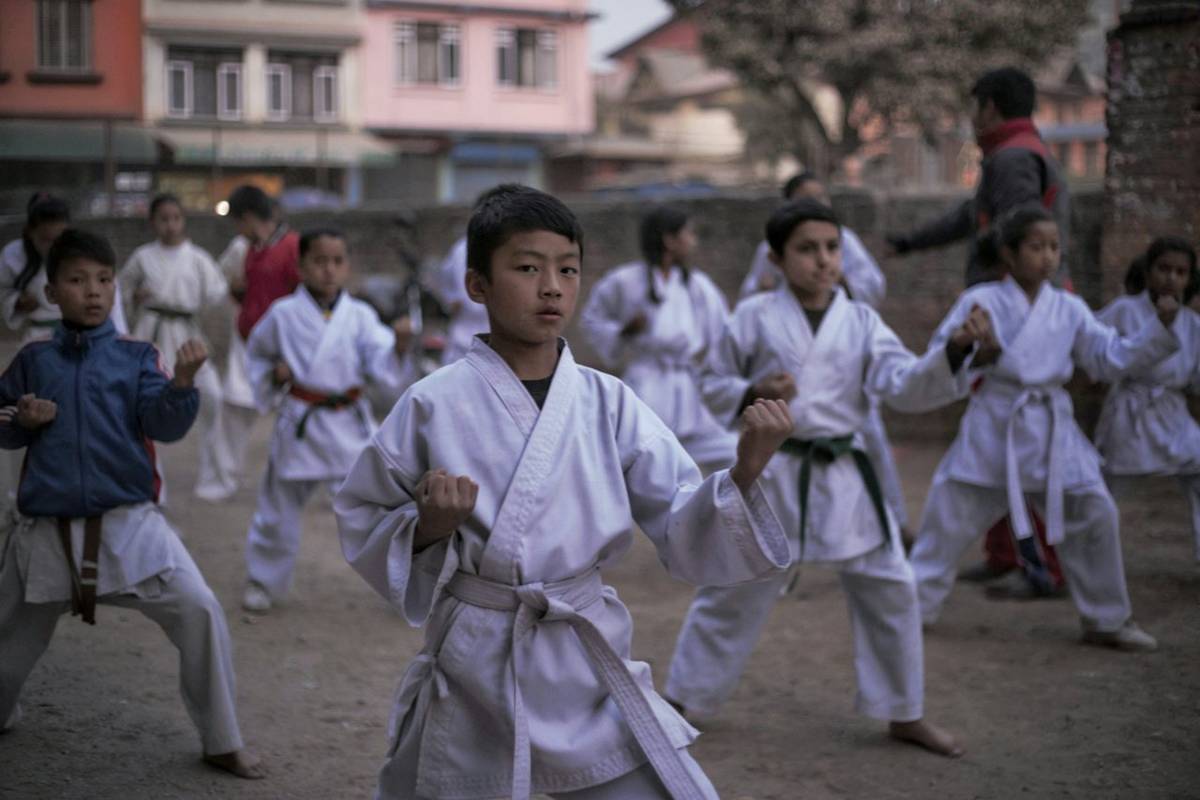
In pictures
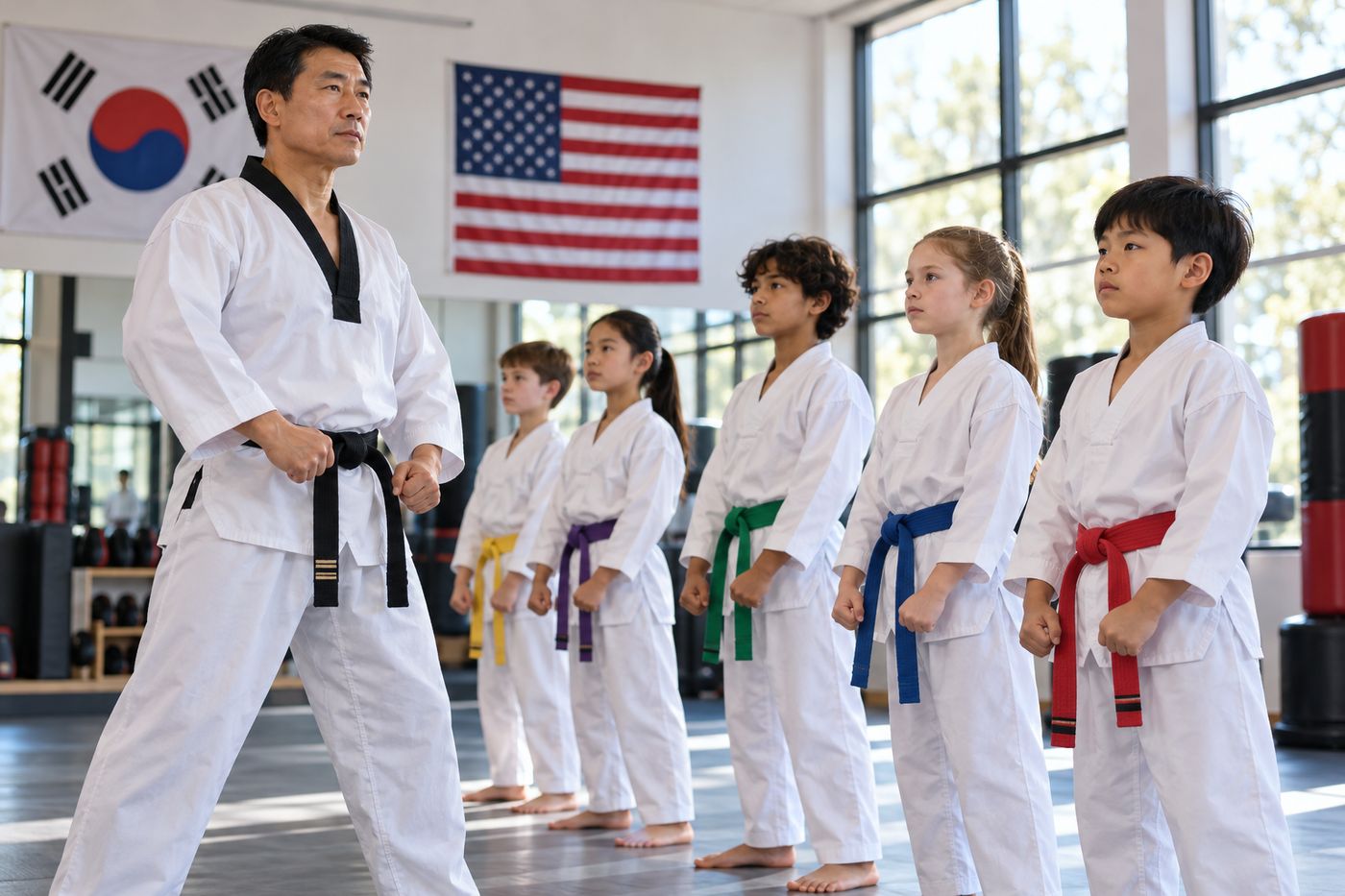
A great fit for
- Energetic children who love to jump and kick
- Kids motivated by clear goals and new belts
- Families who want a school close to home
Think twice if
- Self-defense against grabbing is your main goal
- A school promises black belt by a set date
- Belt tests and fees feel more frequent than progress
Month by month
The first year of Taekwondo
What a child training about twice a week usually learns. Every school sets its own pace.
- Weeks 1 to 4Stances, bowing and the first kicks
Front stance, a front kick and roundhouse kick, how to bow, count in Korean and line up. Lots of games for younger children.
- Months 2 to 3First form and first belt test
Taegeuk Il Jang, the first form, plus basic blocks and punches. Most children test for yellow belt or a first stripe around here.
- Months 4 to 8Side and back kicks, more forms
Turning kicks appear, kicks get higher, and a new form comes with each belt. Many schools start light, padded sparring drills.
- Months 9 to 12Sparring and board breaking
Controlled sparring in gear, a first board break at many schools, and green or purple belt for a child training twice a week.
Safety and contact
Sparring
Usually starts a few belts in, with drills first and light, controlled sparring later.
Head contact
Kicks to a padded head guard are allowed in Olympic-style sparring; good schools keep it light for children.
Common injuries
Bruised feet and shins, pulled muscles from high kicks, occasional knocks in sparring.
Ask the school: Ask when contact sparring starts and how hard it is for your child's age group.
What it costs
Typical US ranges. Prices vary a lot by city and school.
| Monthly tuition | $100 to $250 |
|---|---|
| Belt tests | $40 to $80 each, 3 to 5 a year |
| Dobok (uniform) | $30 to $70 |
| Sparring gear set | $120 to $200 |
Gear and when you need it
Don't buy everything up front. Most of it waits until later.
| Dobok and white belt | From day one, often included |
|---|---|
| Mouthguard | When sparring starts |
| Head guard, gloves, foot and shin pads | When sparring starts |
| Chest protector (hogu) | For sparring and tournaments |
Signs of a good school
- Instructors certified by a national body such as Kukkiwon
- Belts take months, and children can fail a test
- A free trial and a month-to-month option
- Clean technique from the higher belts you watch
Red flags
- Black belt guaranteed by a fixed date
- Many very young black belts
- A test every few weeks, each with a fee
- Pressure to sign a long contract on day one
Words you'll hear in class
- Charyeot
- Attention
- Kyeongnye
- Bow
- Junbi
- Ready
- Sijak
- Begin
- Kihap
- The short, loud shout
- Poomsae
- Forms
Myths and facts
MythTaekwondo is only kicking.
FactKicks dominate, but children also learn blocks, punches, forms, falls and self-control.
MythA black belt means a child is an expert.
FactA junior black belt marks a solid foundation. Most adults consider it the real beginning.
MythIt is useless for self-defense.
FactIt teaches distance, speed and composure. Its value rises at schools that spar regularly.
Questions parents ask
What age can a child start Taekwondo?
Many schools run game-based classes from 3 or 4, and the main kids' classes usually start around 5 or 6.
How long does a Taekwondo black belt take?
Usually about three to five years for a child training two or three times a week. Children receive a junior poom belt first.
How many classes a week are best?
Two classes a week is the norm for steady progress; three for children preparing for black belt or competition.
Is Taekwondo safe for kids?
Yes, in a well-run school. Most injuries are bumps and strains, and protective gear is used for sparring.
Find a Taekwondo class near you
Search by ZIP code, see what's close, and use our checklist when you visit.
Find a classOfficial directories
Start reading
Our guides to Taekwondo, written for parents.
Getting startedIs Taekwondo good for kids? Best age to start and how to choose a schoolWhat Taekwondo really does for children's focus, confidence and fitness, the best age to start, how safe it is, and the green and red flags to look for in a school.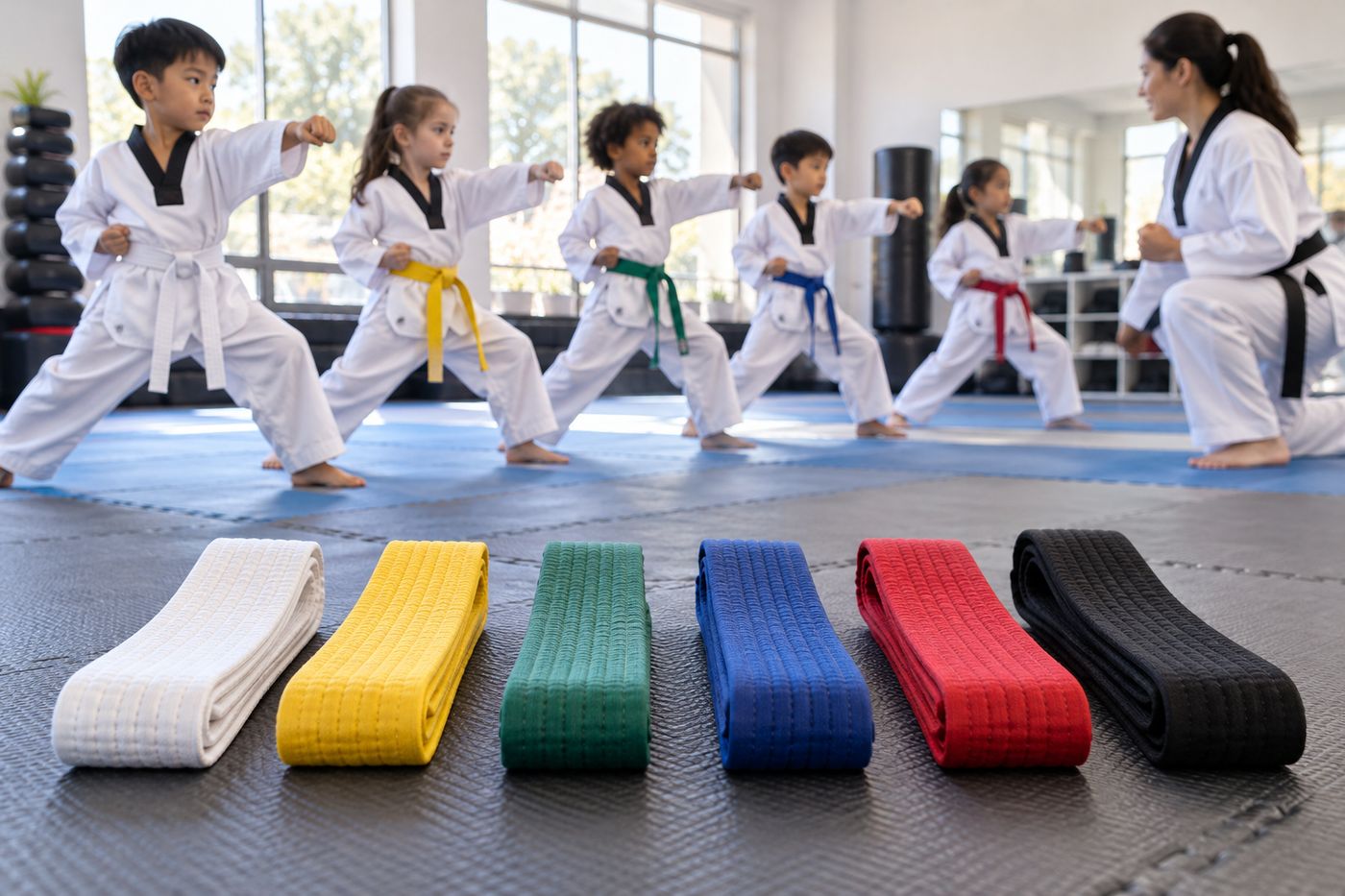 Belt basicsTaekwondo belt order: every color, what it means and what comes nextThe standard Taekwondo belt order from white to black, what each color stands for, how geup and dan ranks work, and why your school's colors may look different.
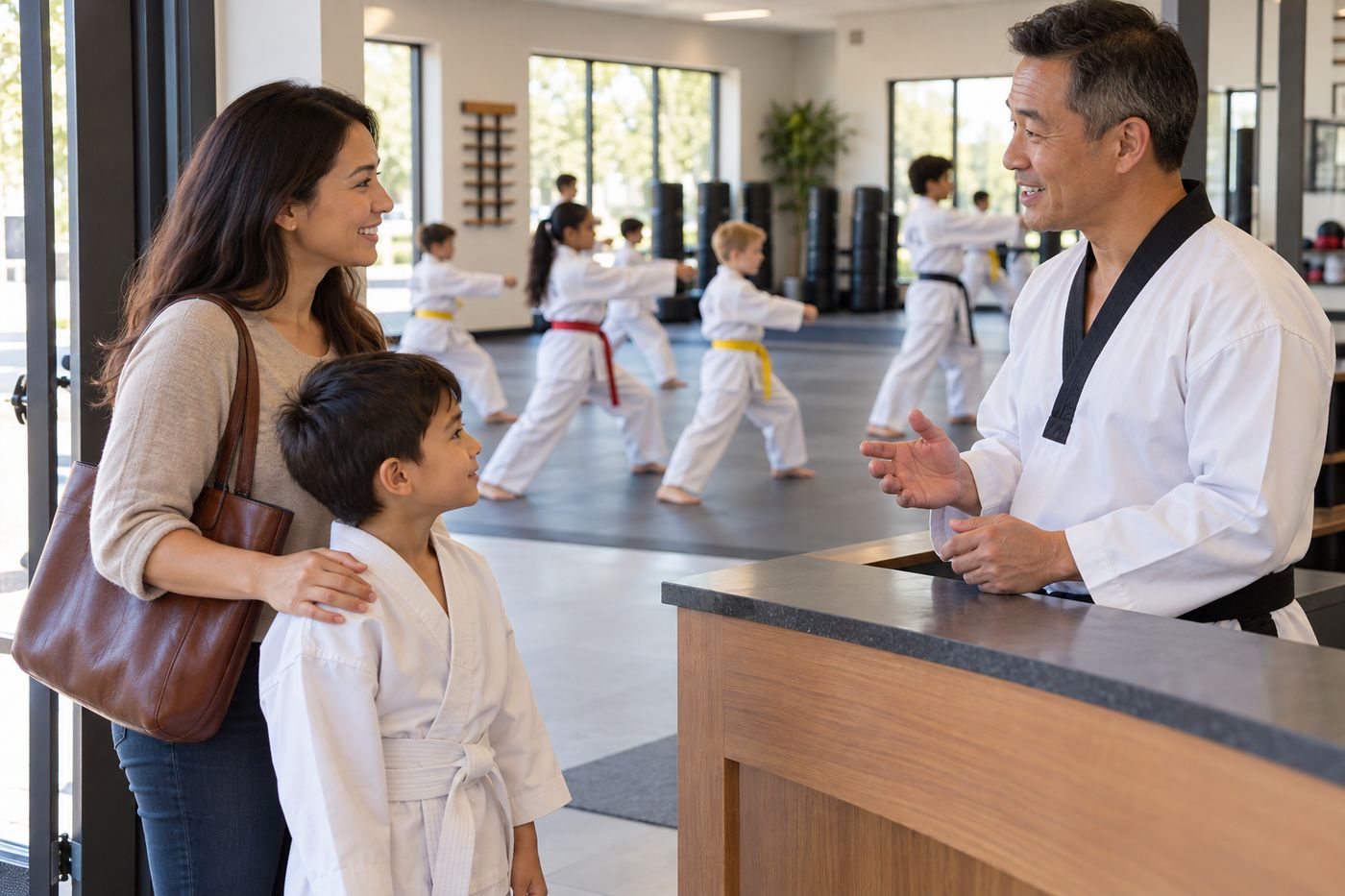 Getting startedHow to choose a Taekwondo school: what to look for and what to askA practical guide for parents and adults choosing a Taekwondo school: affiliations, instructors, class structure, contracts, belt pace, safety and the questions to ask on a trial class.
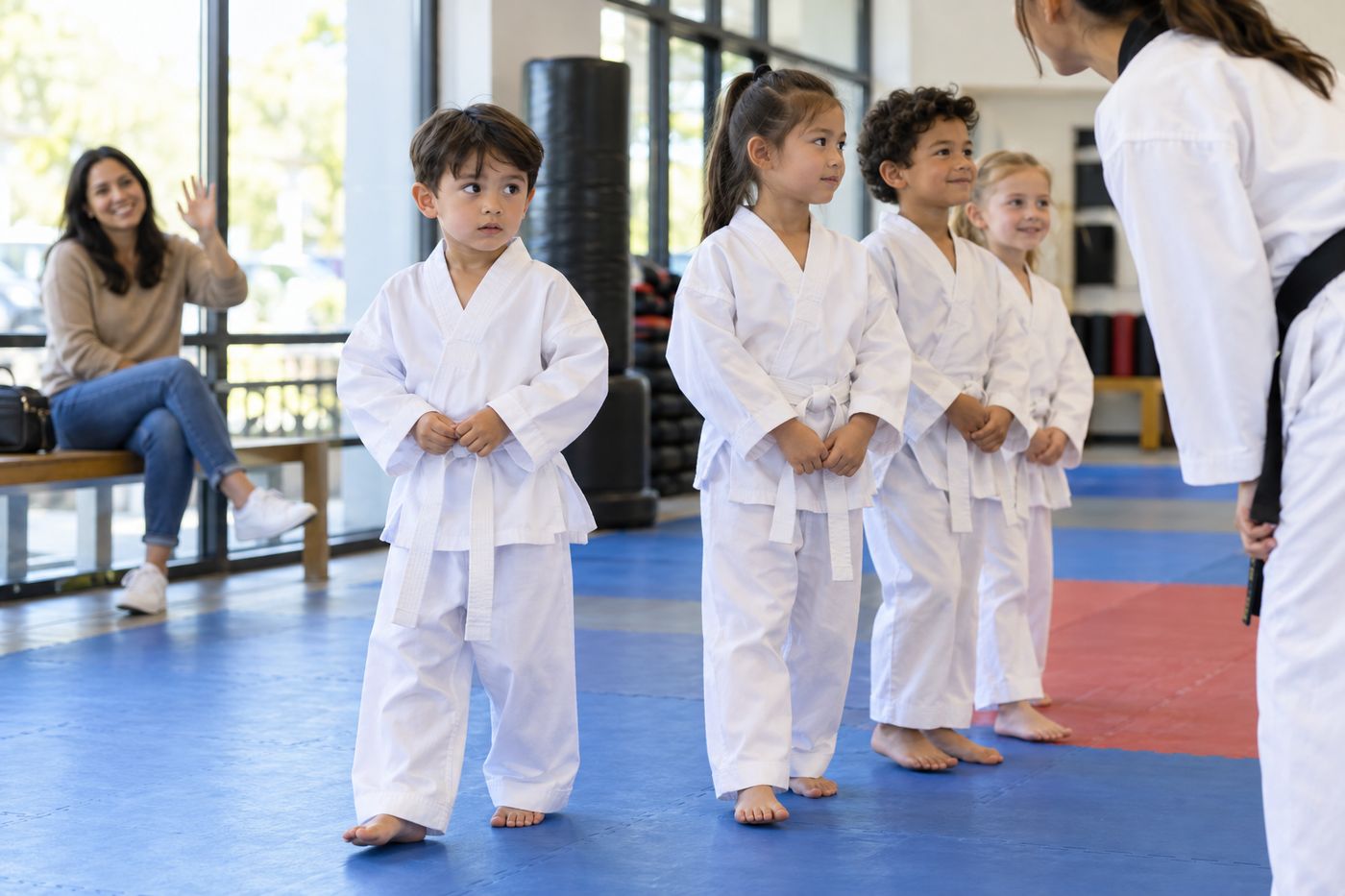 At the dojangYour child's first month of Taekwondo: what actually happensWhat a beginner Taekwondo class looks like week by week, what to buy, how bowing and the Korean commands work, and how to tell if your child is enjoying it.
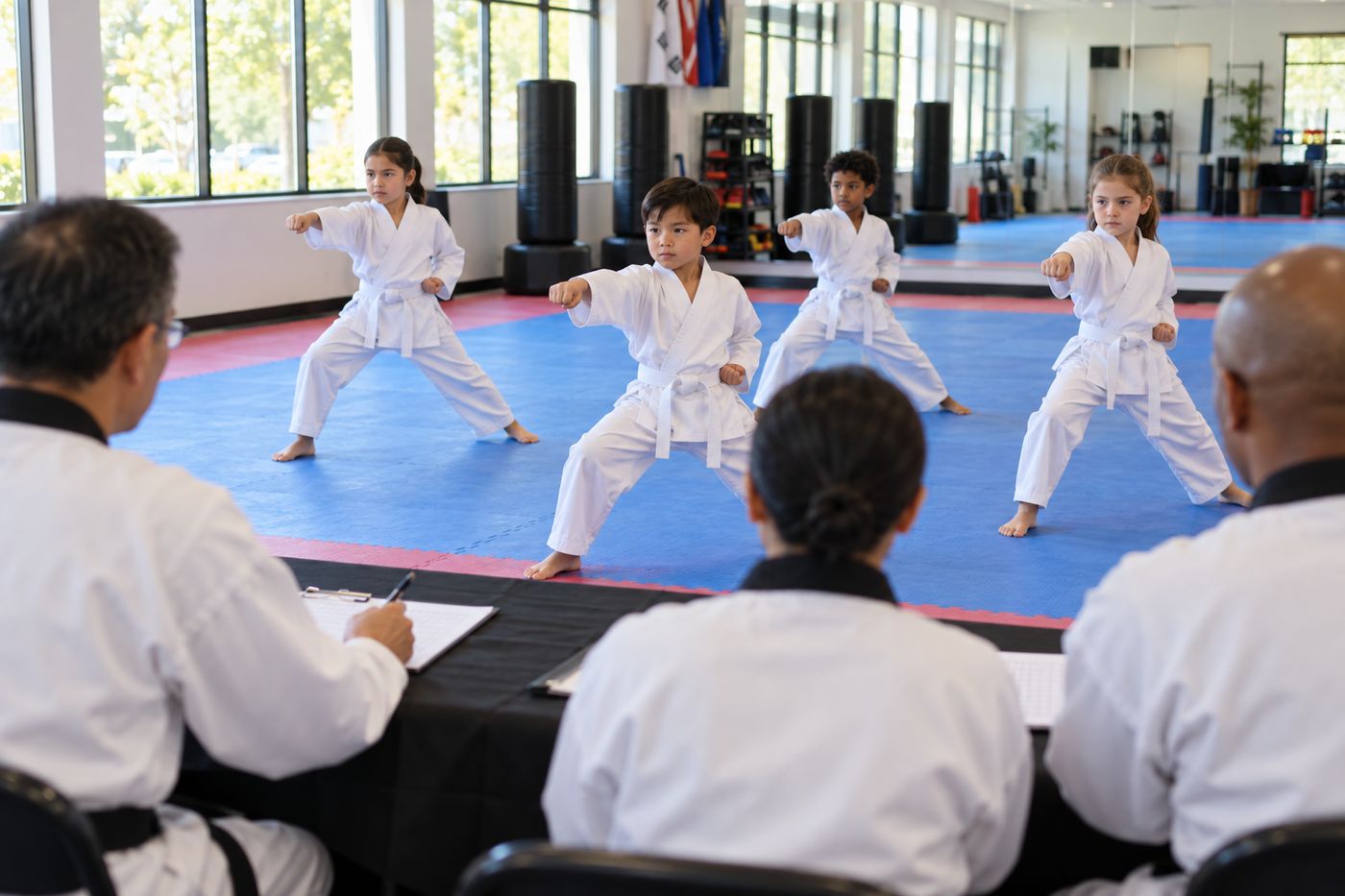 At the dojangWhat happens at a Taekwondo belt test, and how to calm the nervesA walk-through of a typical color-belt test, what examiners look for, what it costs, how to help a nervous child prepare, and what to do if they don't pass.
 Getting startedHow much does Taekwondo cost? Tuition, tests, uniforms and contractsWhat families in the US typically pay for Taekwondo: monthly tuition, testing fees, uniforms and gear, black belt costs, and how to read a contract before you sign.
How it compares
Side-by-side guides for parents weighing Taekwondo against other styles.
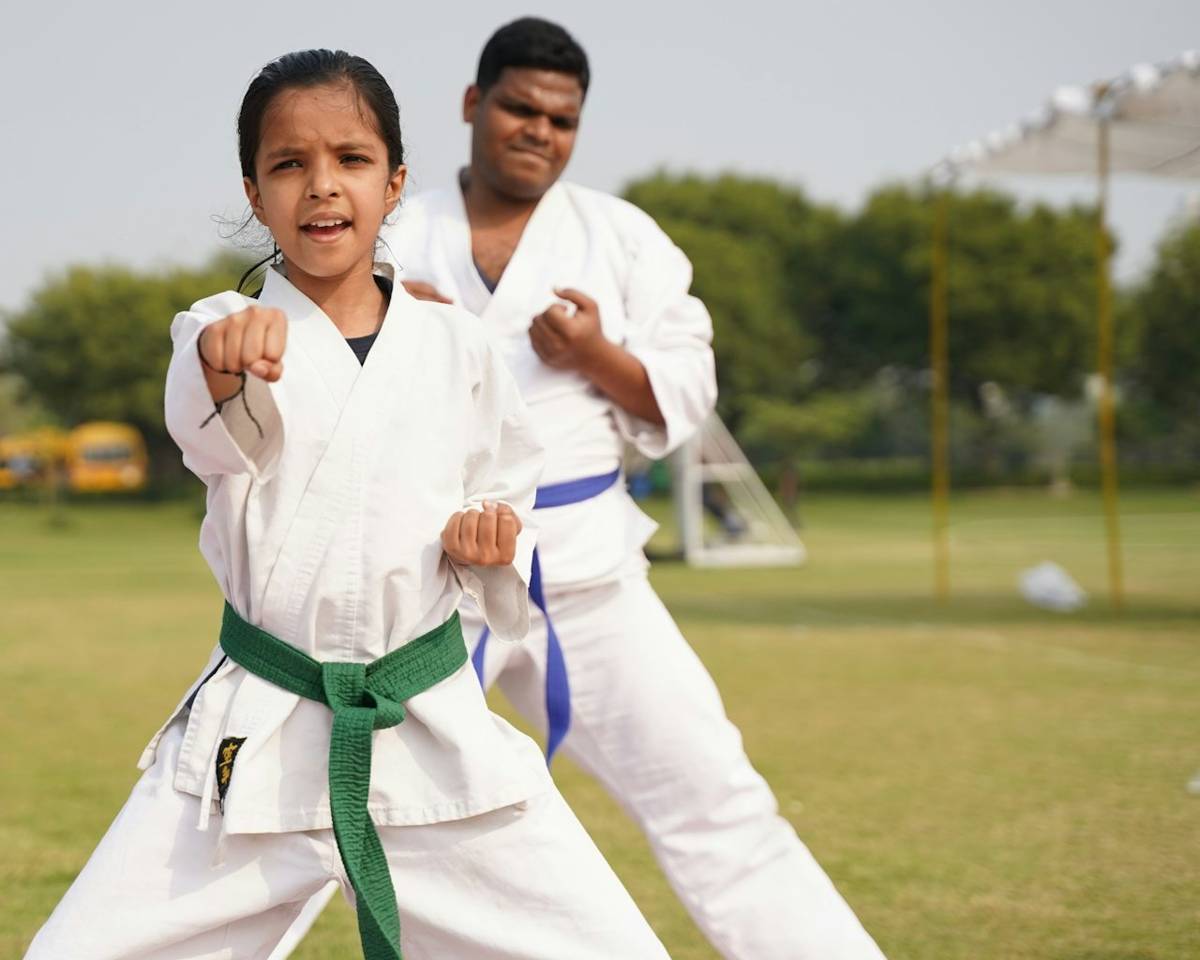 Style vs styleKarate vs Taekwondo for kids: the real differences, explained for parentsKarate or Taekwondo for your child? How the two styles differ in kicks and punches, forms, sparring, belts, competition, cost and class culture, and which kind of child each one suits.
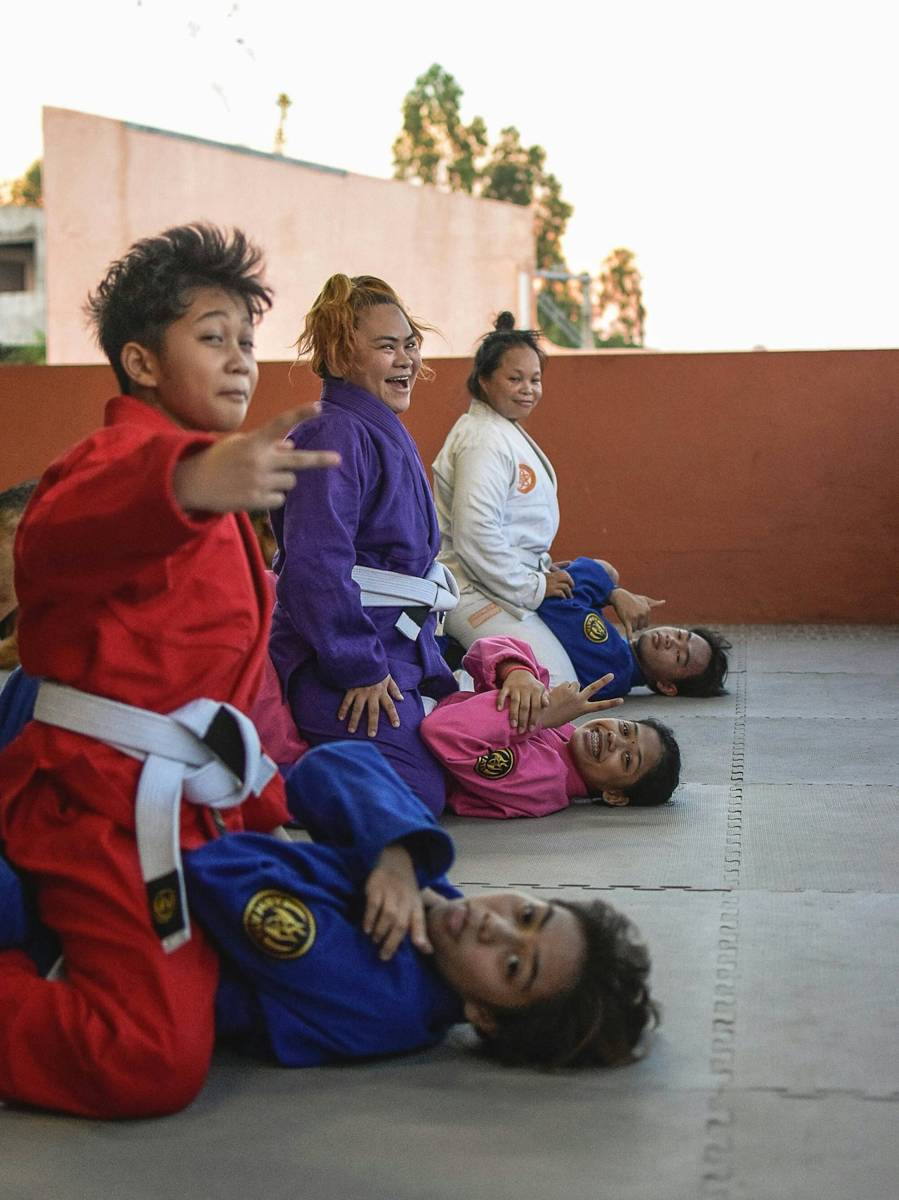 Style vs styleTaekwondo vs BJJ for kids: kicking art or grappling art?Taekwondo and Brazilian Jiu-Jitsu compared for children: striking vs grappling, self-defense, safety, belts and progress, competition, cost, and which child each one suits.
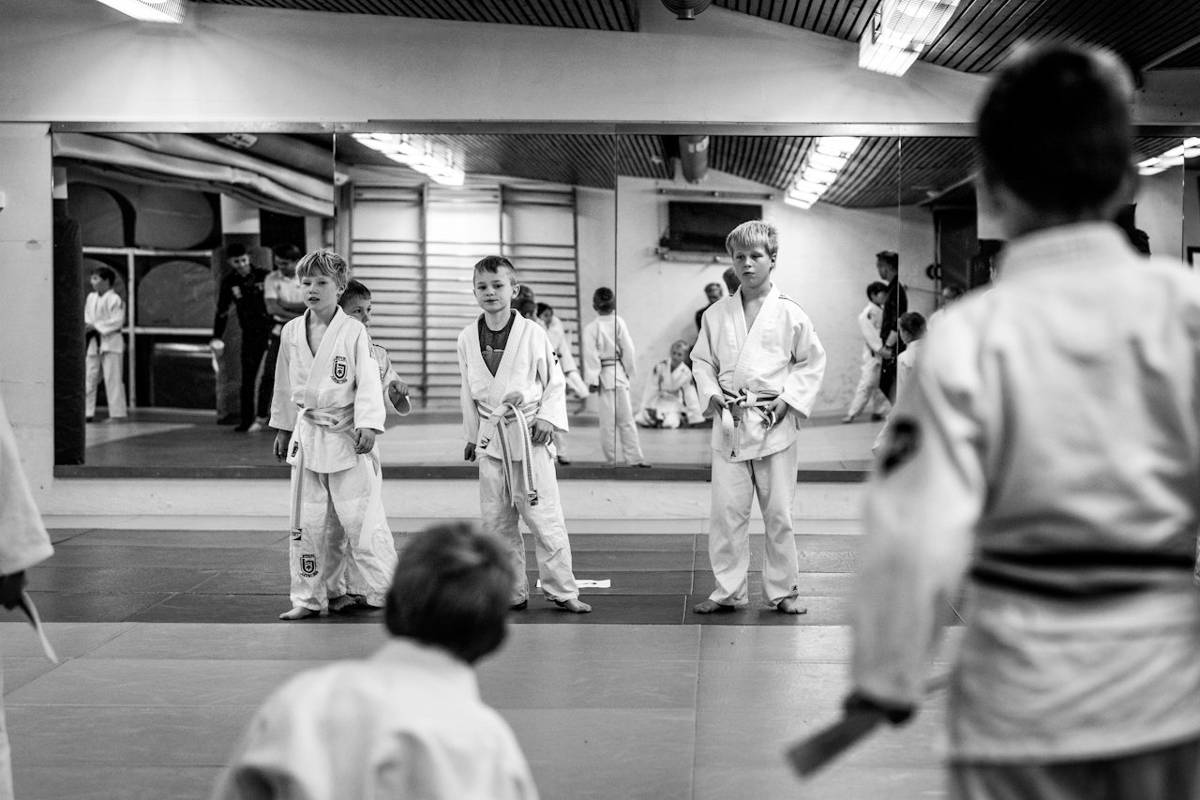 Style vs styleTaekwondo vs judo for kids: kicking art or throwing art?Taekwondo or judo for your child? Two Olympic martial arts compared for children: kicks versus throws, sparring, falling, belts, competition, safety, cost and which kind of child each one suits.
 Style vs styleTaekwondo vs kung fu for kids: kicks and belts or forms and flow?Taekwondo or kung fu for your child? How the Korean kicking art and the Chinese martial arts differ in technique, forms, sparring, belts or sashes, competition, culture, cost and which child each one suits.
 Choosing a styleBest martial art for kids: an honest comparison for parentsTaekwondo, karate, Brazilian Jiu-Jitsu, judo, kung fu, wrestling and kickboxing compared for children: what each one teaches, starting ages, costs, safety and which kind of child each style suits.Your childSafest martial art for kids: injury risk and head contact by styleWhich martial arts are safest for children? Common injuries in each style, head contact and concussion risk, how kids' rules protect young athletes, and the safety questions to ask any school.
Explore Taekwondo in depth
55 guides in five sections, each divided into topics so you can jump straight to what you need.
Belts15
What each Taekwondo belt color means, how long each stage takes, and what changes at black belt.
Open taekwondo belts →Forms14
The set routines Taekwondo students perform at every belt test, from the first color belt form to the black belt forms, with a step-by-step floor plan.
Open taekwondo forms →Kicks20
Every Taekwondo kick from the front kick to the 540, with step-by-step technique, common mistakes and drills you can do at home.
- All the kicks at a glance1
- First kicks (white to green belt)6
- Turning and sparring kicks (blue to red belt)5
- Jumping and spinning kicks6
- Kick higher and harder2
Korean Terms3
The commands, counting and technique names you hear in a Taekwondo class, with how to say them and a button to hear them.
Open taekwondo korean terms →Training3
Starting as an adult, sparring rules, flexibility, home practice and the gear worth buying.
Open training →