| Head contact for kids | Most common injuries | Key safety point | |
|---|---|---|---|
| BJJ | None | Joint strains, mat burns | Tap early, partners let go fast |
| Judo | None (falls are taught) | Sprains, bruises from falls | Breakfalls taught from day one |
| Karate | Light and controlled, if any | Bruises, sprains, finger and toe knocks | Strict control rules in sparring |
| Taekwondo | Kicks to a padded head guard in sparring | Foot and leg knocks, strains | Gear and controlled sparring |
| Wrestling | Incidental | Neck and shoulder strain, skin infections | Clean mats, no weight cutting |
| Kung fu / wushu | Varies by school | Strains from stances and acrobatics | Gradual flexibility work |
| Muay Thai / boxing | Yes in sparring; ask how much | Bruises, head knocks in sparring | Pads and bags, little head sparring |
Pick by goal
- Lowest head contactBJJ or judoNo strikes at all.
- Striking with low riskKarate or TaekwondoControlled, padded sparring for kids.
- Clumsy or fearless kidJudoLearning to fall protects them everywhere.
- Older strikerBoxing or Muay Thai with careChoose a gym that limits head sparring.
On this page
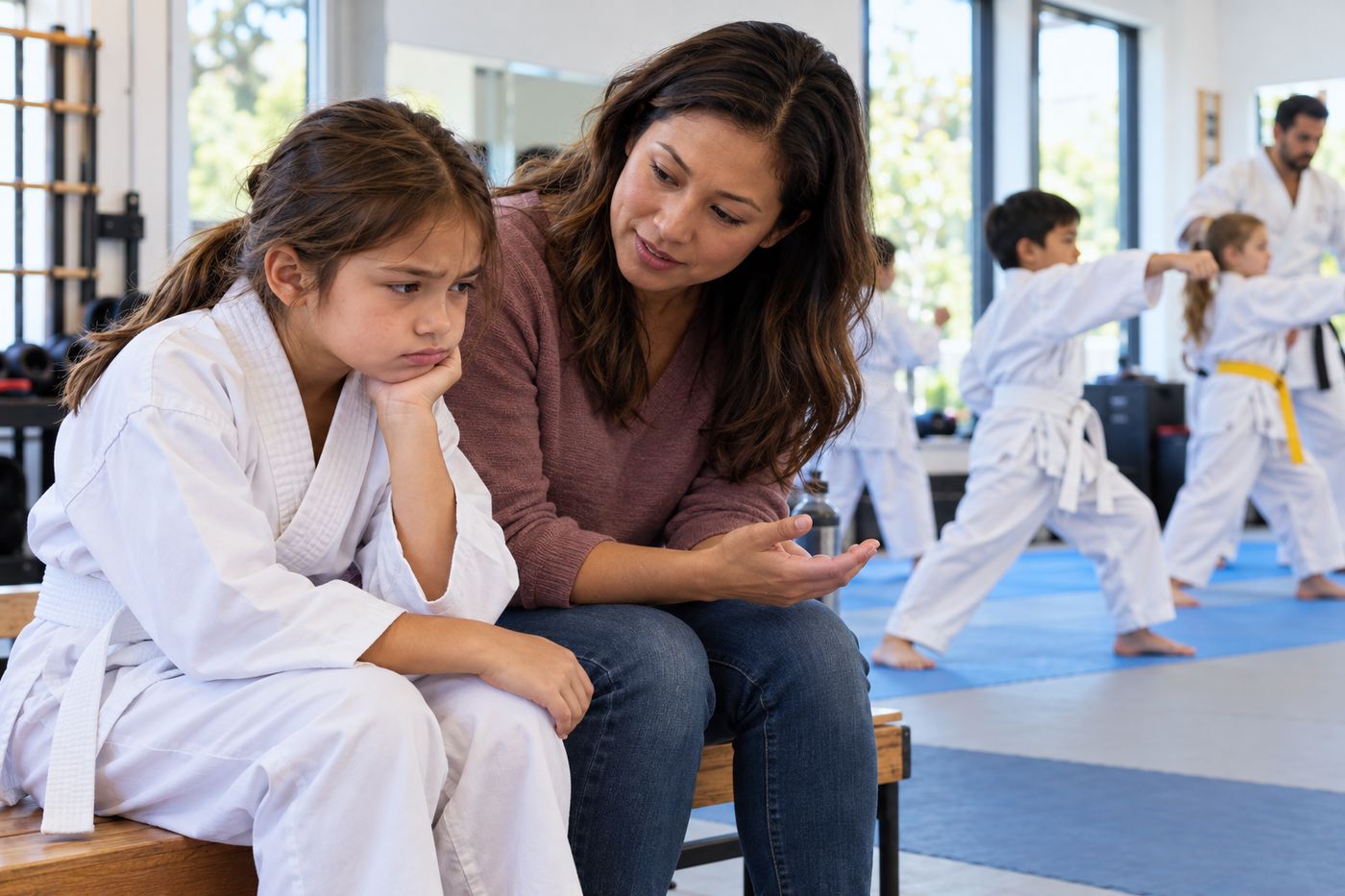
Every parent signing a child up for martial arts wonders, at least a little, whether their child will get hurt. The reassuring news is that in a well-run children’s class, martial arts are about as safe as other youth sports, and most injuries are minor bumps and bruises. But styles do differ, especially in one important way: how much contact to the head is involved.
The main difference: head contact
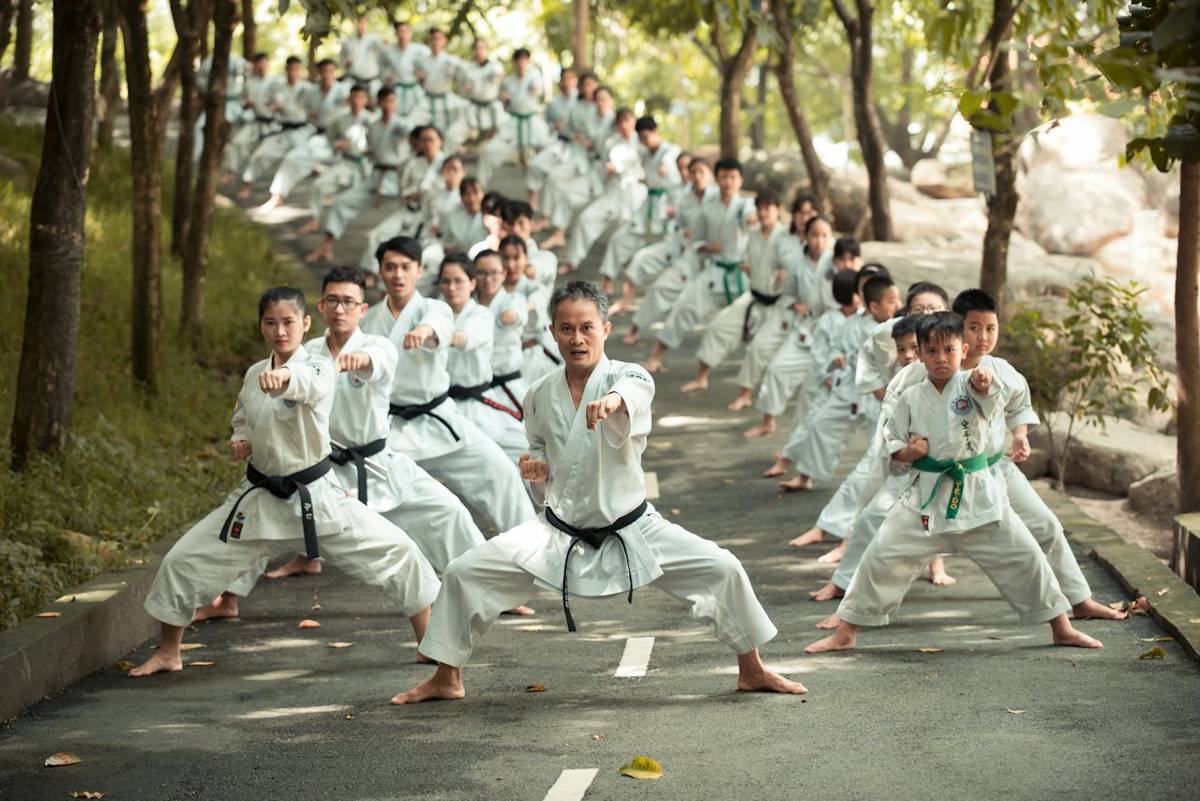
Concussions and repeated knocks to the head are the injuries parents worry about most, and with good reason. The clearest difference between martial arts is whether they involve strikes to the head. Grappling arts such as Brazilian Jiu-Jitsu, judo and wrestling have no punches or kicks at all. Many karate and kung fu schools practise light, controlled sparring or focus mostly on forms. Taekwondo sparring allows kicks to a padded head guard under strict rules for children. Boxing, and Muay Thai or kickboxing sparring, involve punches to the head, which is why many experts advise caution for children in those sports.
Whatever the style, ask exactly what sparring looks like for your child’s age group. The CDC’s HEADS UP program has clear guidance on recognizing concussion symptoms and returning to sport safely.
Common injuries by style
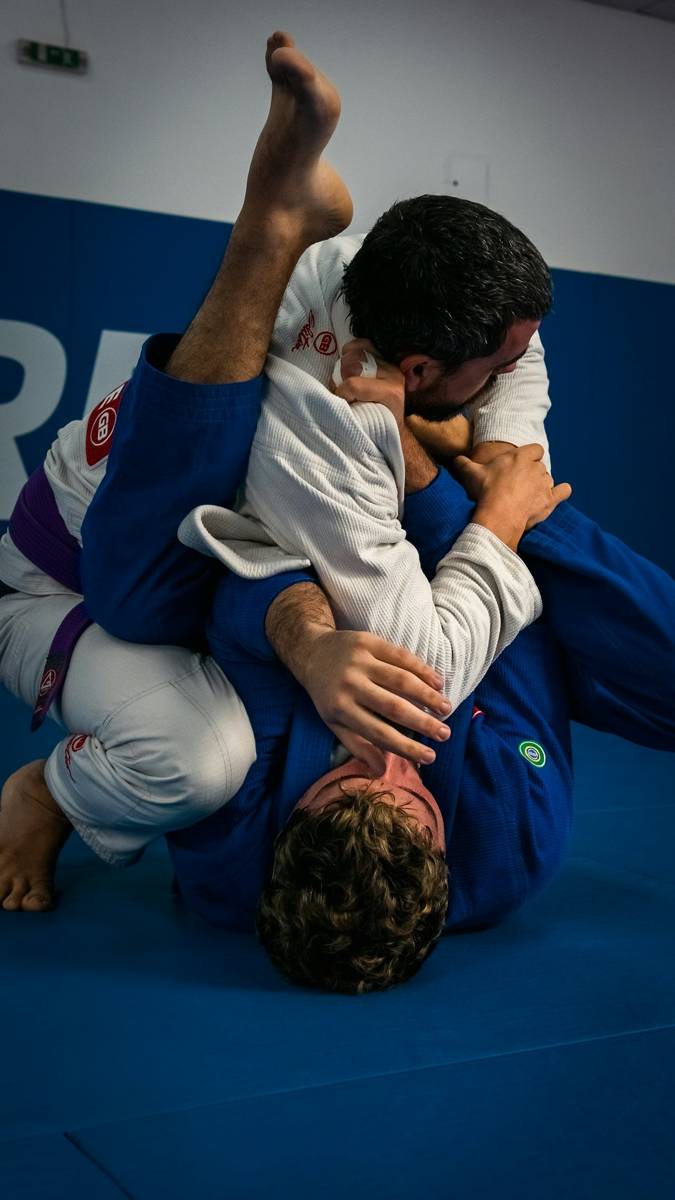
In grappling arts, the most common problems are joint strains, usually from submissions applied too quickly, and mat burns. Good BJJ academies teach children to tap early and partners to let go immediately, and they restrict dangerous techniques for younger children. Judo injuries are mostly sprains and bruises from falls, reduced by the heavy emphasis on breakfalls. Wrestling adds neck and shoulder strain and skin infections from shared mats.
In striking arts, most injuries are bruises, jammed fingers and toes, and sprains, plus occasional knocks in sparring. Protective gear and control rules keep these low. Kung fu and wushu add strains from deep stances and acrobatics, which gradual flexibility training helps prevent.
How kids’ rules protect children
Most federations have separate rules for children. Judo does not allow chokes and armlocks for young children. BJJ restricts certain submissions by age and belt. Taekwondo and karate tournaments require protective gear and limit contact. Wrestling matches children by age and weight. These rules exist because children’s bodies are still growing, and a good school follows them in class as well as in competition.
The school matters more than the style
A careful karate school is safer than a careless grappling gym, and the reverse is just as true. What makes a school safe is supervision: enough instructors for the class size, children partnered by size and experience, a proper warm-up, clean mats, and an instructor who stops anything that gets out of hand. Our guide to spotting a bad martial arts school covers the warning signs.
Safety questions to ask any school
Ask how many instructors supervise each class. Ask when children start sparring, how hard it is and whether head contact is allowed. Ask what protective gear is required. Ask how partners are matched, how the mats are cleaned, and what happens if a child gets hurt or takes a knock to the head. Ask whether instructors have first aid training. A good school will answer clearly and without hesitation.
Which is safest for your child?
If keeping head contact to a minimum is your top priority, Brazilian Jiu-Jitsu and judo are the safest choices, and judo’s falling skills protect children well beyond the mat. For a child who wants a striking art, karate or Taekwondo at a school with controlled sparring is a good balance. For older children drawn to boxing or Muay Thai, choose a gym that keeps young athletes on pads and bags and limits head sparring. Our comparison of the styles explains each option in more depth.
Questions parents and students ask
What is the safest martial art for a child?
Arts without strikes to the head, such as Brazilian Jiu-Jitsu and judo, carry the lowest concussion risk, and judo teaches safe falling thoroughly. In practice, the quality of supervision matters more than the style: a careful karate school is safer than a careless grappling gym.
Are martial arts dangerous for kids?
Not in a well-run class. Most injuries are minor bumps, bruises and sprains, similar to other youth sports. Risk rises with hard sparring, poor supervision and mismatched partners, which is why watching a class before joining matters.
Should kids get hit in the head in martial arts?
Many pediatric experts advise limiting blows to the head for children as much as possible. If your child does a striking art, ask when sparring starts, whether head contact is allowed, how hard it is, and what happens if a child takes a knock.