- Comes from
- Japan
- Type
- Grappling, throws and pins
- Usual start
- About 5 to 7
- Olympic
- Yes, since 1964
- Typical cost
- Often under $100 a month
- Ranks
- Junior belts, then black
In one minute
Judo was created in Japan in 1882 by Jigoro Kano, who adapted older jujutsu into a system that could be practised at full effort safely. The aim is to throw a partner cleanly onto their back or pin them on the ground.
Every judo student starts by learning to fall, a skill that protects children for life. Many American clubs are volunteer-run or nonprofit, which often makes judo the best value in martial arts.
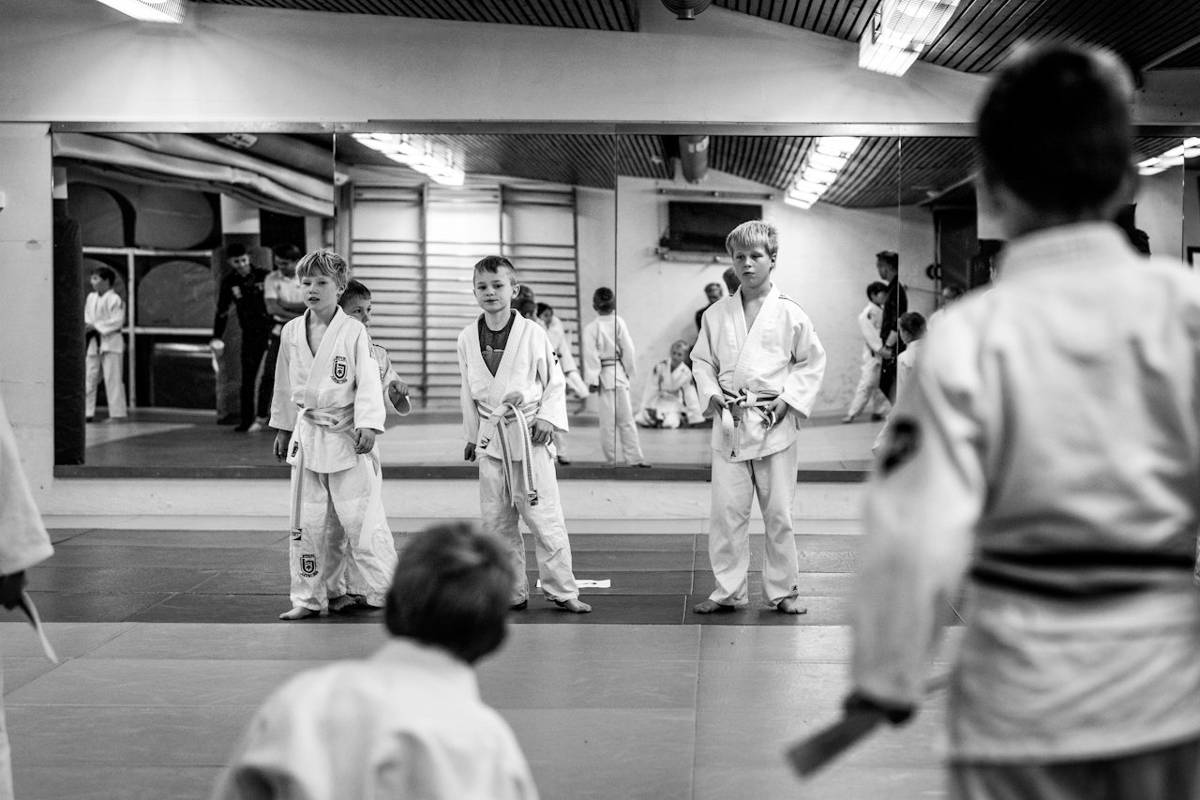
Inside a class
What a class looks like
A typical 60 minute kids class, minute by minute.
- 10 minBow and breakfallsRolls and ukemi, how to land safely
- 15 minThrow techniqueThe coach teaches one throw step by step
- 10 minUchikomiRepeating the entry many times with a partner
- 10 minGround workPins and escapes (newaza)
- 15 minRandoriFree practice, often from the knees for young kids
About 60 minutes in all.
Ranks and progress
Junior colors are set by national organizations and clubs and can include stripes. This order is widely used in the US.
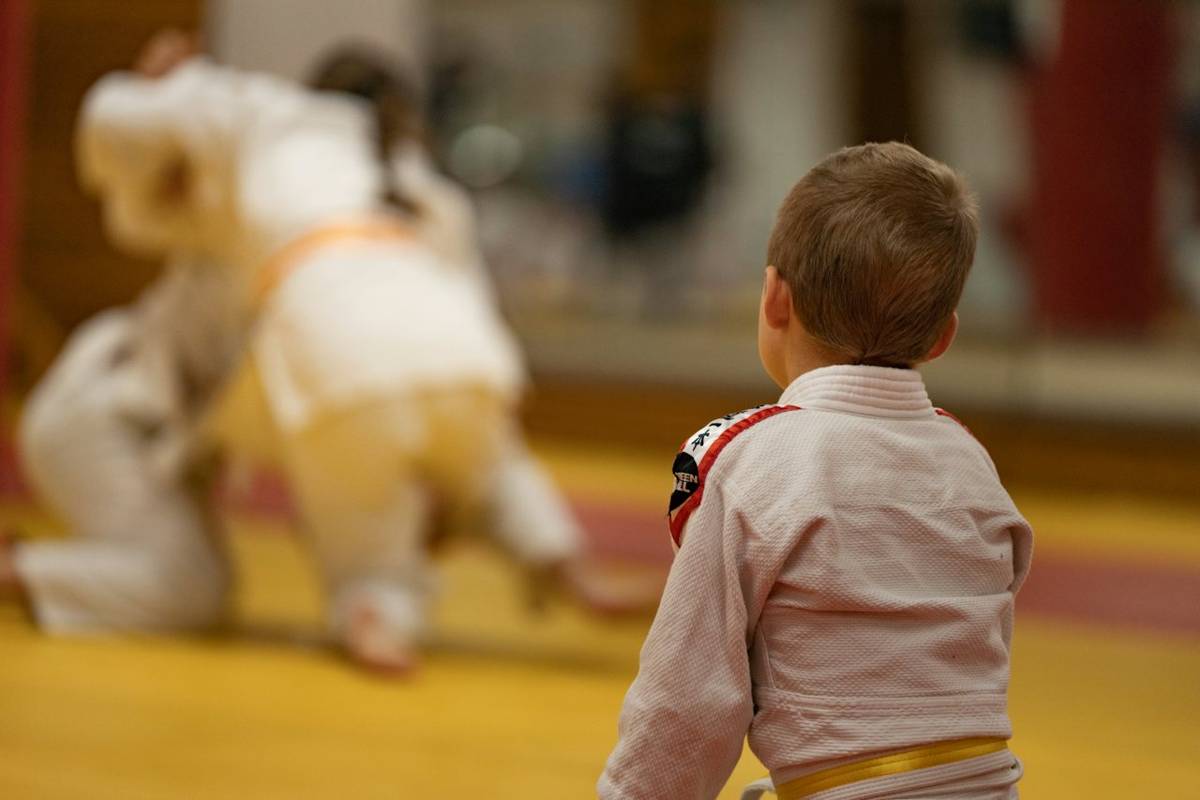
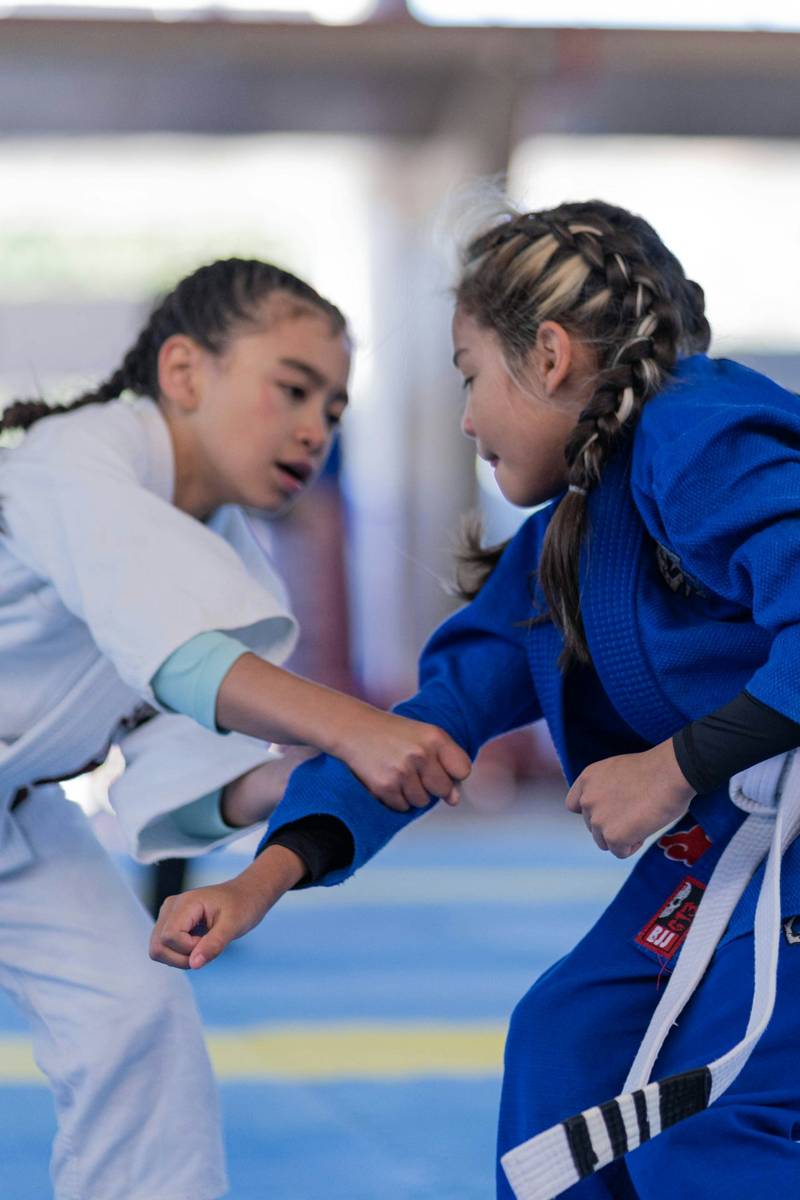
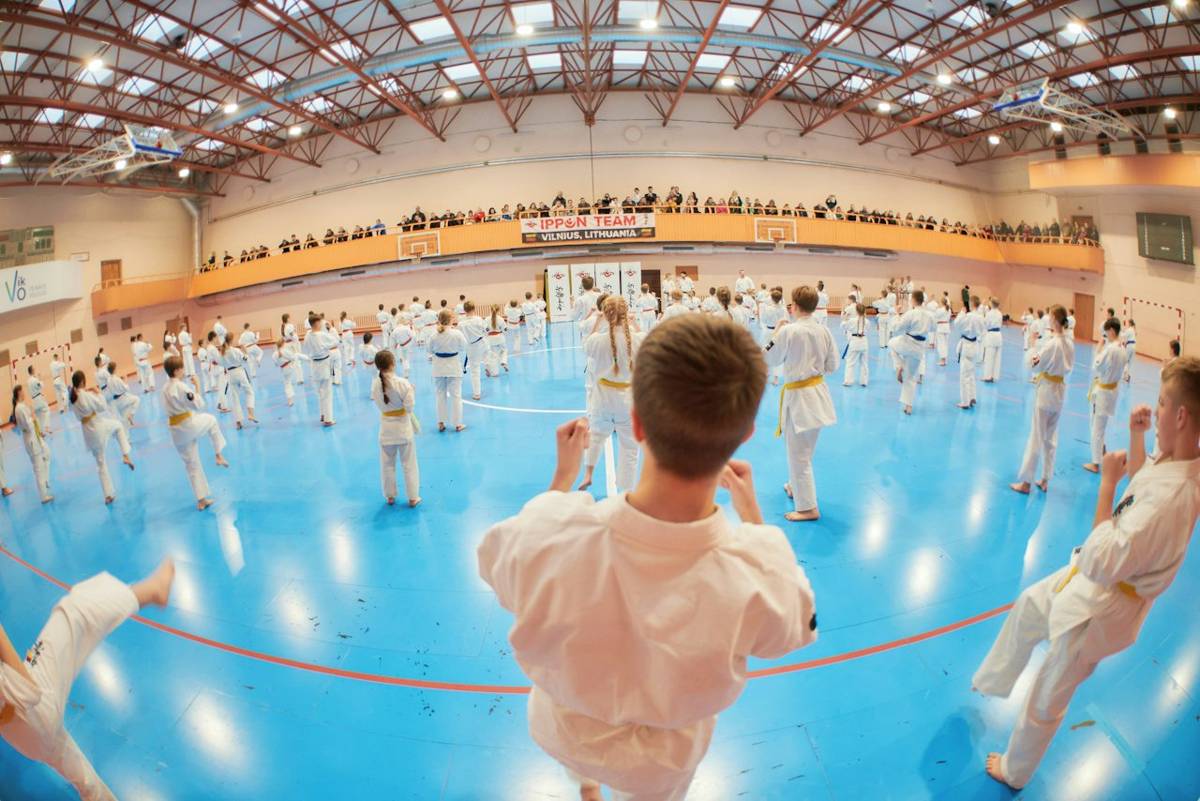
In pictures
A great fit for
- Active kids who love rough-and-tumble play
- Families on a budget
- Children who might enjoy competing
Think twice if
- You need classes five days a week
- You need after-school pickup
- The club pairs small kids with much bigger ones
Month by month
The first year of Judo
What a child training about twice a week usually learns. Every school sets its own pace.
- Weeks 1 to 4Learning to fall
Back, side and front breakfalls and rolls, gripping basics and balance games.
- Months 2 to 4First throws and pins
Foot sweeps, leg reaps and the scarf hold, practised with a cooperative partner.
- Months 5 to 8Randori begins
Free practice against a resisting partner of similar size, plus hip throws.
- Months 9 to 12First tournament for some
A first junior belt or stripe and, for children who want it, a local tournament.
Safety and contact
Sparring
Randori starts early but builds slowly, after children can fall well.
Head contact
No strikes. Breakfalls protect the head, and risky techniques are banned for children.
Common injuries
Sprains, bruises and mat burns. Chokes and armlocks are not taught to young children.
Ask the school: Ask how long beginners practise breakfalls before being thrown.
What it costs
Typical US ranges. Prices vary a lot by city and school.
| Monthly fees | Often $40 to $100 at clubs |
|---|---|
| National membership | Usually a yearly fee |
| Judogi | $50 to $100 |
| Tournaments | Modest entry fees |
Gear and when you need it
Don't buy everything up front. Most of it waits until later.
| Judogi and belt | From day one or after a trial |
|---|---|
| Flip-flops | For walking off the mat |
| Water bottle | Every class |
| Blue judogi | Only if tournaments require it |
Signs of a good school
- Lots of breakfall practice before throws
- Partners matched by size and age
- A club affiliated with a national judo body
- Coaches who keep randori calm and controlled
Red flags
- Beginners thrown before they can fall
- Hard randori between mismatched partners
- No mats thick enough for throws
- Pressure to compete before a child is ready
Words you'll hear in class
- Ukemi
- Breakfalls
- Randori
- Free practice
- Ippon
- Full point, wins the match
- Osaekomi
- Pin
- Matte
- Stop
- Judogi
- Uniform
Myths and facts
MythJudo is dangerous because of the throws.
FactChildren learn to fall first, and judo has strict rules to protect young players.
MythJudo is only for competitors.
FactMost children never compete; clubs welcome recreational players at every level.
MythYou need to be big and strong.
FactJudo means "the gentle way": timing and balance beat strength.
Questions parents ask
What age can kids start judo?
Many clubs take children from about 5, and some from 4 with game-based classes.
Is judo cheap?
Often, yes. Many clubs are nonprofits run by volunteers, though a yearly membership is usually required.
When can a child get a judo black belt?
Black belt has a minimum age in the mid-teens, so children spend years in junior colored belts.
Is judo good for self-defense?
Yes. Balance, throws and falling safely are very useful in the shoving and grabbing of real conflicts.
Find a Judo class near you
Search by ZIP code, see what's close, and use our checklist when you visit.
Find a classOfficial directories
Start reading
Our guides to Judo, written for parents.
JudoJudo for kids: throws, falls and an Olympic sport explained for parentsA parent's guide to judo for children: what judo is, breakfalls and throws, kids' rules and safety, belts, competition, costs and how to find a good judo club.JudoJudo belts for kids: belt order, kyu grades and how promotion worksHow judo belts work for children in the US: kyu and dan grades, a common junior belt order, stripes, what is tested, the national organizations that set the rules and how long black belt takes.JudoYour child's first judo class: what to expect and how to prepareWhat happens at a child's first judo class: what to wear and bring, bowing and mat etiquette, learning to fall, how the class runs, what parents should look for and questions to ask the coach.Judo practicalJudo breakfalls for kids: how ukemi teaches children to fall safelyWhat judo breakfalls (ukemi) are, the four main falls children learn first, why they matter on and off the mat, how coaches teach them step by step and how to practise safely at home.Judo practicalThe first judo throws and pins children learnThe beginner judo techniques most children learn first: foot sweeps, hip throws and shoulder throws such as de ashi barai, o soto gari, o goshi and ippon seoi nage, plus the first pins, and how they are taught safely.Judo practicalJudo words for kids and parents: Japanese terms, scores and commandsThe Japanese words heard in a judo class and at tournaments, explained for parents: dojo commands, judogi and belts, falling and throwing terms, and scores like ippon and waza-ari.Judo practicalKids judo tournaments: rules, divisions and the first competitionA parent's guide to children's judo competitions: how kids are grouped, how scoring works, rules that protect young players, weigh-ins, costs, what to bring and how to support your child on the day.How it compares
Side-by-side guides for parents weighing Judo against other styles.
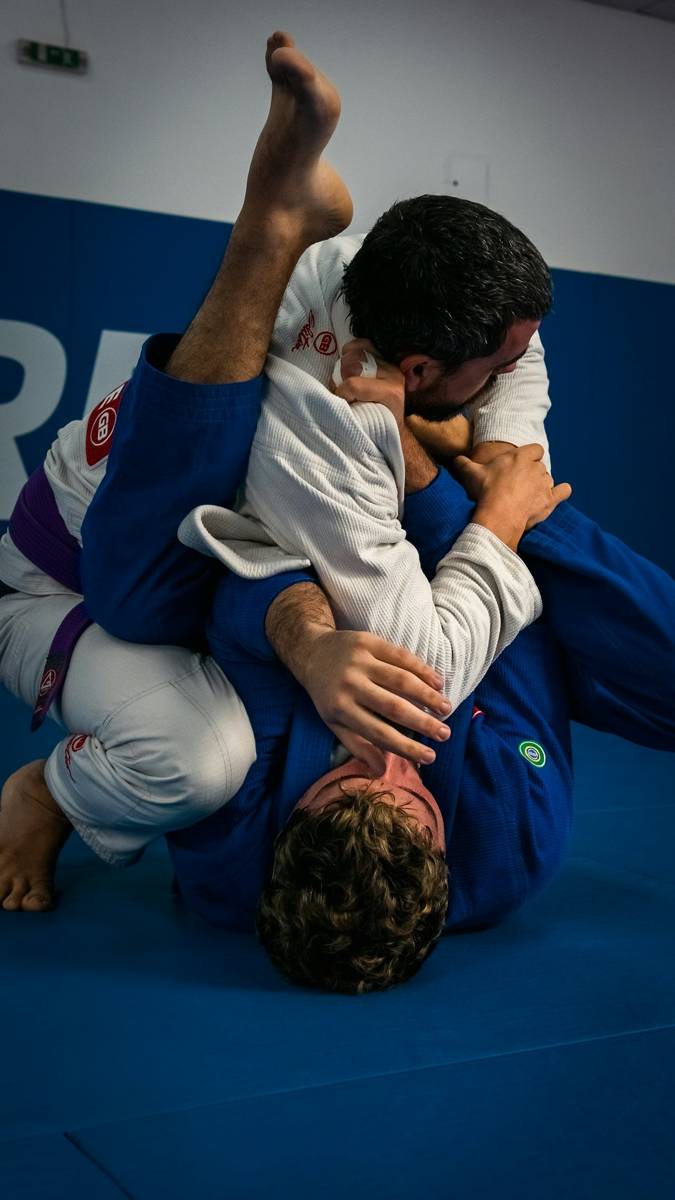 Style vs styleBJJ vs judo for kids: which grappling art should your child try?Brazilian Jiu-Jitsu and judo compared for children: throws vs ground work, safety, belts, competition, cost and self-defense, plus how to choose between them.
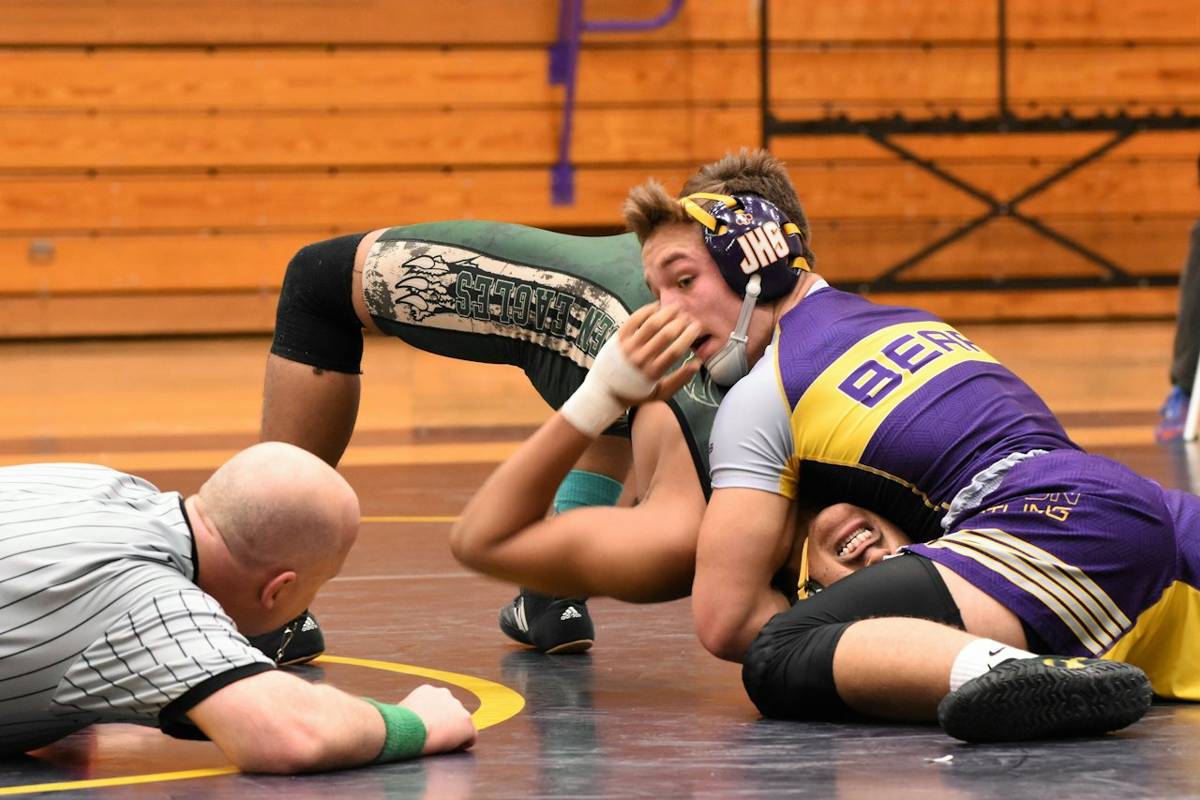 Style vs styleJudo vs wrestling for kids: two grappling sports compared for parentsJudo or wrestling for your child? How the two grappling sports differ in throws, takedowns and pins, uniforms, seasons, competition, safety, cost and the kind of child each one suits.Style vs styleKarate vs judo for kids: striking or throwing, compared for parentsKarate or judo for your child? How a striking art and a throwing art differ in what children learn, live practice, falling, belts, competition, safety, cost and which kind of child each one suits.Style vs styleTaekwondo vs judo for kids: kicking art or throwing art?Taekwondo or judo for your child? Two Olympic martial arts compared for children: kicks versus throws, sparring, falling, belts, competition, safety, cost and which kind of child each one suits.
 Choosing a styleBest martial art for a child who is being bulliedWhich martial art helps a bullied child most? Why grappling arts like BJJ, judo and wrestling are often recommended, what striking arts offer, and how martial arts build confidence alongside talking to the school.
 Choosing a styleBest martial art for kids: an honest comparison for parentsTaekwondo, karate, Brazilian Jiu-Jitsu, judo, kung fu, wrestling and kickboxing compared for children: what each one teaches, starting ages, costs, safety and which kind of child each style suits.