On this page
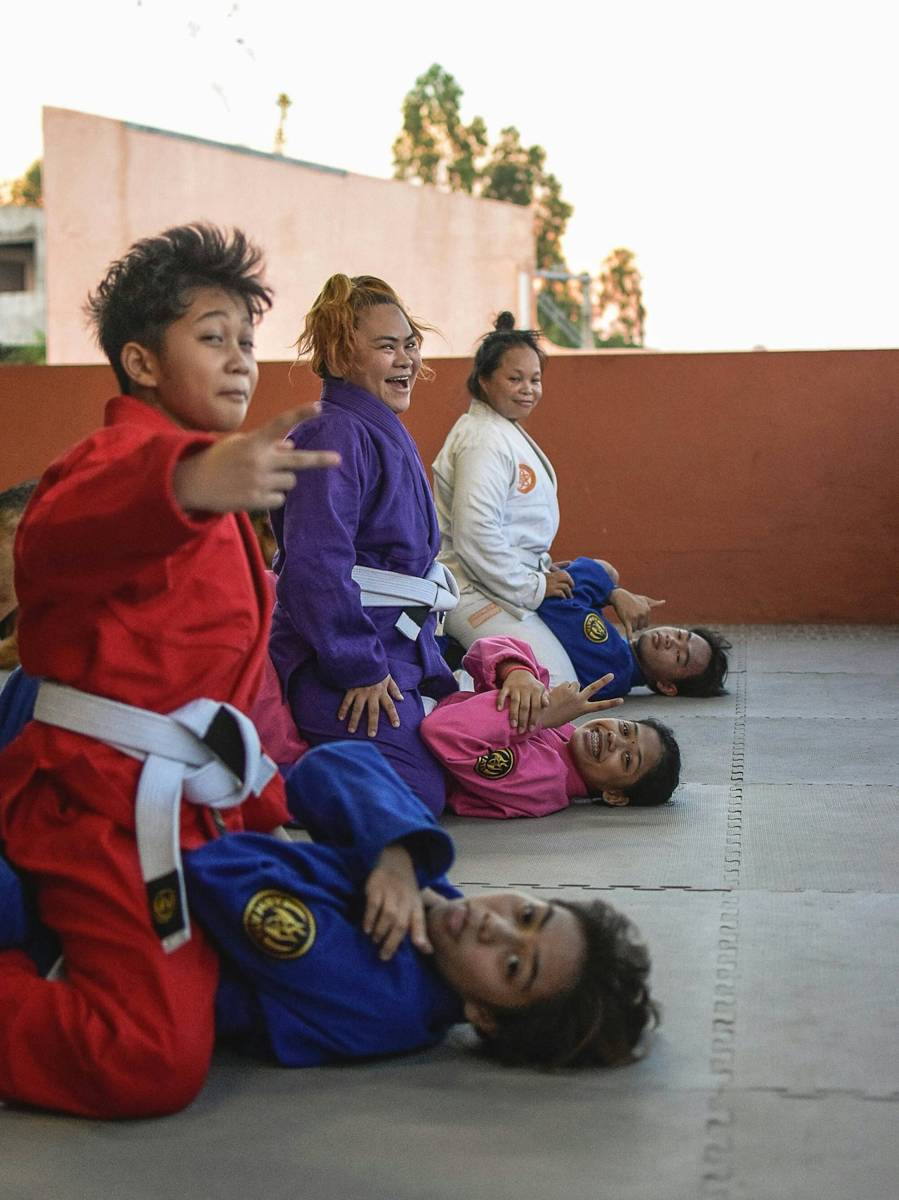
Brazilian Jiu-Jitsu has gone from a niche sport to one of the fastest-growing activities for children in the United States. Parents often come to it for one reason above all: they want their child to be able to handle themselves without hitting anyone. BJJ does that very well, and it turns out many children simply love it.
What BJJ is
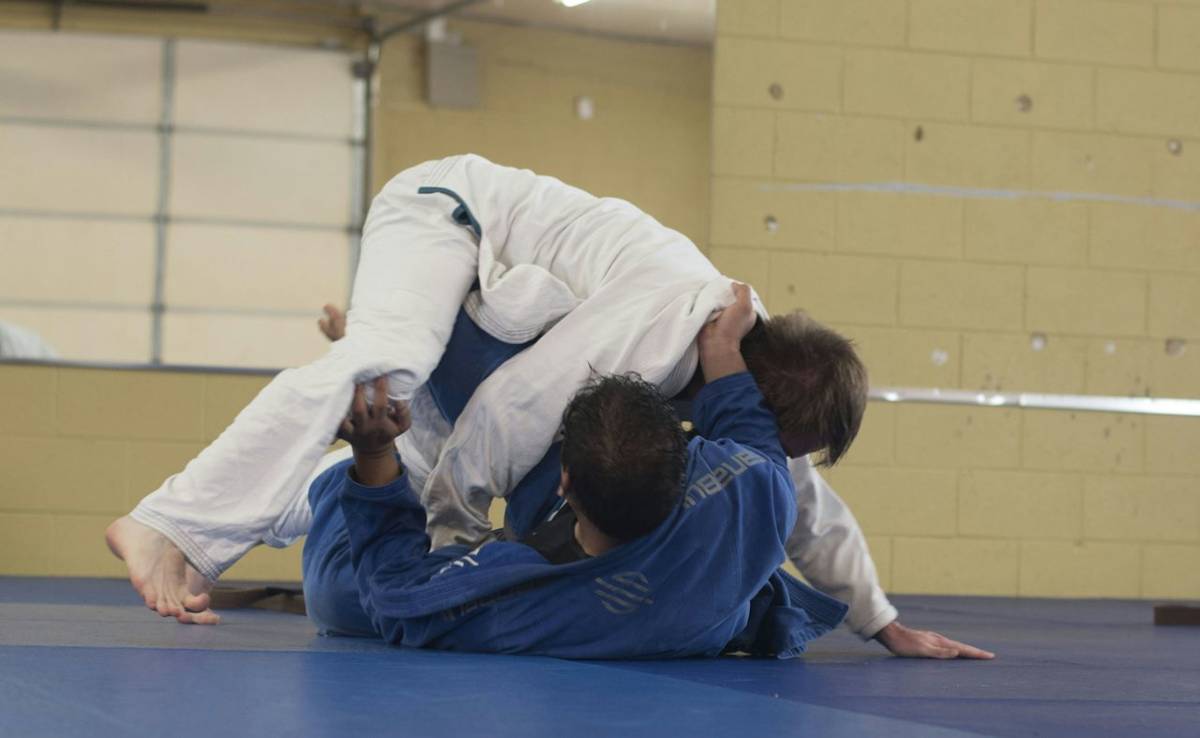
BJJ is a grappling art. It developed in Brazil in the early twentieth century from judo and Japanese jujutsu taught there, and was refined by Brazilian families and teachers into a style that specialises in fighting on the ground. The core idea is that a smaller person who knows how to use leverage and position can control a bigger, stronger one.
There is no punching or kicking in children’s BJJ. Instead, children learn to take a partner to the ground safely, get to a dominant position such as being on top or on a partner’s back, hold that position, escape when they are underneath and, as they get older, use the submission holds that kids’ rules allow. A submission ends a round when the other child “taps”, signalling surrender.
What a kids’ class looks like
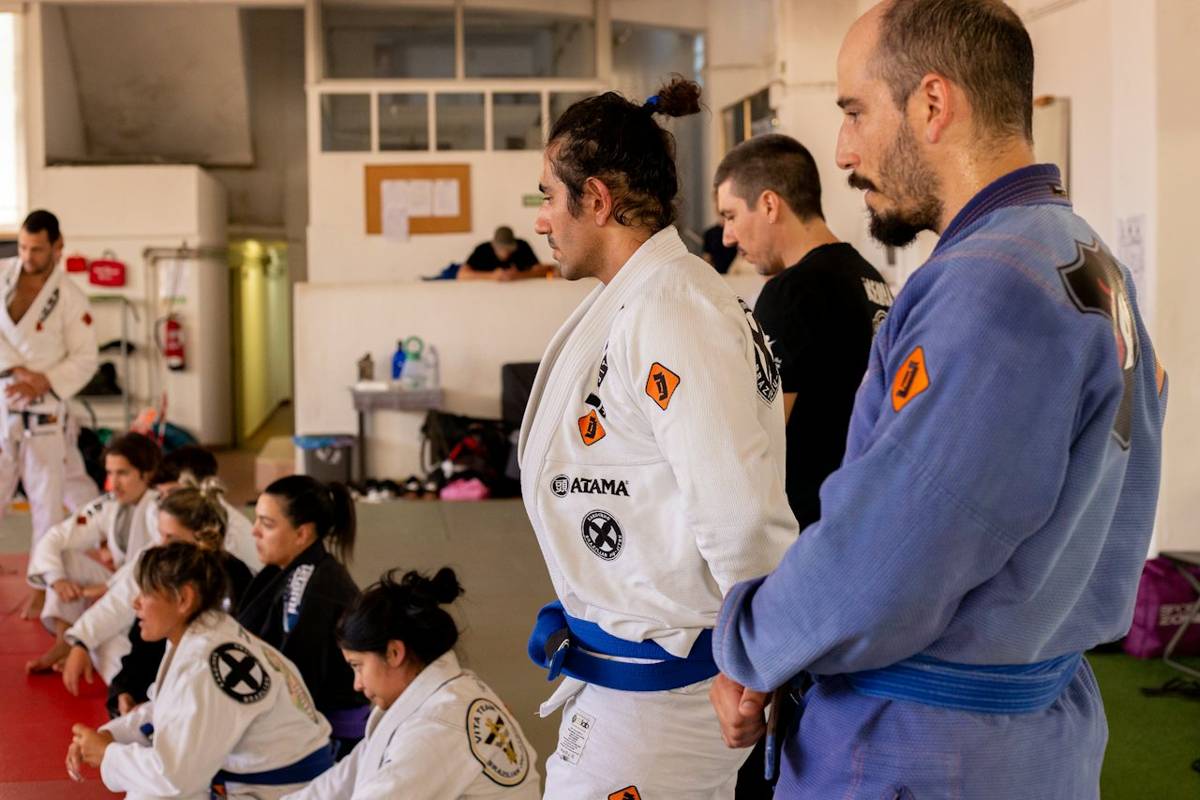
Classes usually start with a warm-up built around movement drills such as shrimping (hip escapes), rolls and crawling. The instructor then teaches a technique or two, which children practise with a partner. For younger kids, much of class is games: who can hold their partner down for ten seconds, who can get to the other’s back. Most classes end with rolling, live sparring at full effort against a partner of similar size, supervised closely by the coach.
That live practice is what makes BJJ special. Children test what they learn against real resistance every class, so their skills and confidence are genuine.
Gi and no-gi
Most BJJ is practised in a gi, a thick cotton jacket and trousers with a belt, which partners can grip. No-gi BJJ is done in a rash guard and shorts and is faster and more slippery. Many academies teach both. Children usually start in the gi.
The kids’ belt system
The IBJJF, the sport’s largest federation, sets out a belt system for children aged 4 to 15. After white come grey, yellow, orange and green belts, each available in three versions: with a white bar, solid, and with a black bar. Each color has a minimum age, and children earn stripes, small pieces of tape on the belt, between promotions. At 16, young athletes move into the adult belt system, starting at blue.
BJJ is known for slow, demanding promotion. There are usually no formal tests; the coach promotes children when they show the skills. Parents of children used to frequent belt tests in other arts should know that months can pass between stripes.
Safety
Without strikes, BJJ avoids most of the concussion risk of striking sports. The main risk is twisting injuries, which good coaches prevent by matching children by size and experience, banning dangerous techniques for children, and teaching children to tap early and to let go the moment a partner taps. Ask how rolling is supervised and how the coach handles mismatched partners.
Benefits for children
BJJ gives children practical self-defense against the grabbing and wrestling that real schoolyard conflicts involve, and a way to stay safe without hurting anyone. It builds strength, endurance and body awareness, and it rewards patience and problem-solving. Children learn humility, because everyone gets pinned, and resilience, because they learn to stay calm under pressure. Smaller children often do especially well.
What it costs
BJJ academies are usually commercial gyms and often charge at the higher end of martial arts prices, commonly about $130 to $250 a month in many cities. There are often no testing fees. You will need a gi (and ideally a spare), a mouthguard, and possibly rash guards and shorts for no-gi classes. Tournament entry fees are extra. See our cost by style guide.
How to choose an academy
Watch a kids’ class. Look for a separate children’s program, sensible size matching during rolling, an instructor who stops dangerous situations quickly, and a friendly, welcoming culture. Ask about the head instructor’s rank and lineage. Avoid academies where adult-style intensity is pushed onto young children.
To see how BJJ compares with other options, read BJJ vs judo, Taekwondo vs BJJ and our guide for bullied children.
Questions parents and students ask
What age can kids start BJJ?
Many academies take children from about four or five, often in a separate class for little ones built around games. Under IBJJF rules, the kids' belt system covers ages 4 to 15.
Is BJJ safe for kids?
In a well-run program, yes. There is no striking, children's rules ban dangerous techniques, and good instructors match partners by size and supervise every roll. Children learn to tap to signal surrender and to let go immediately when a partner taps.
What are the BJJ belts for kids?
Under the IBJJF system, children progress from white to grey, yellow, orange and green belts. Each color has three versions (with a white bar, solid, and with a black bar), and children earn stripes in between. At 16 they move into the adult belts.