Aikido
合気道 "the way of harmonious spirit"
Throws, joint locks and rolling falls that redirect an attacker, with no competition.
- Comes from
- Japan
- Type
- Throws and joint locks
- Usual start
- About 6 to 8
- Olympic
- No
- Typical cost
- Often modest at clubs
- Ranks
- Kyu grades and dan grades
In one minute
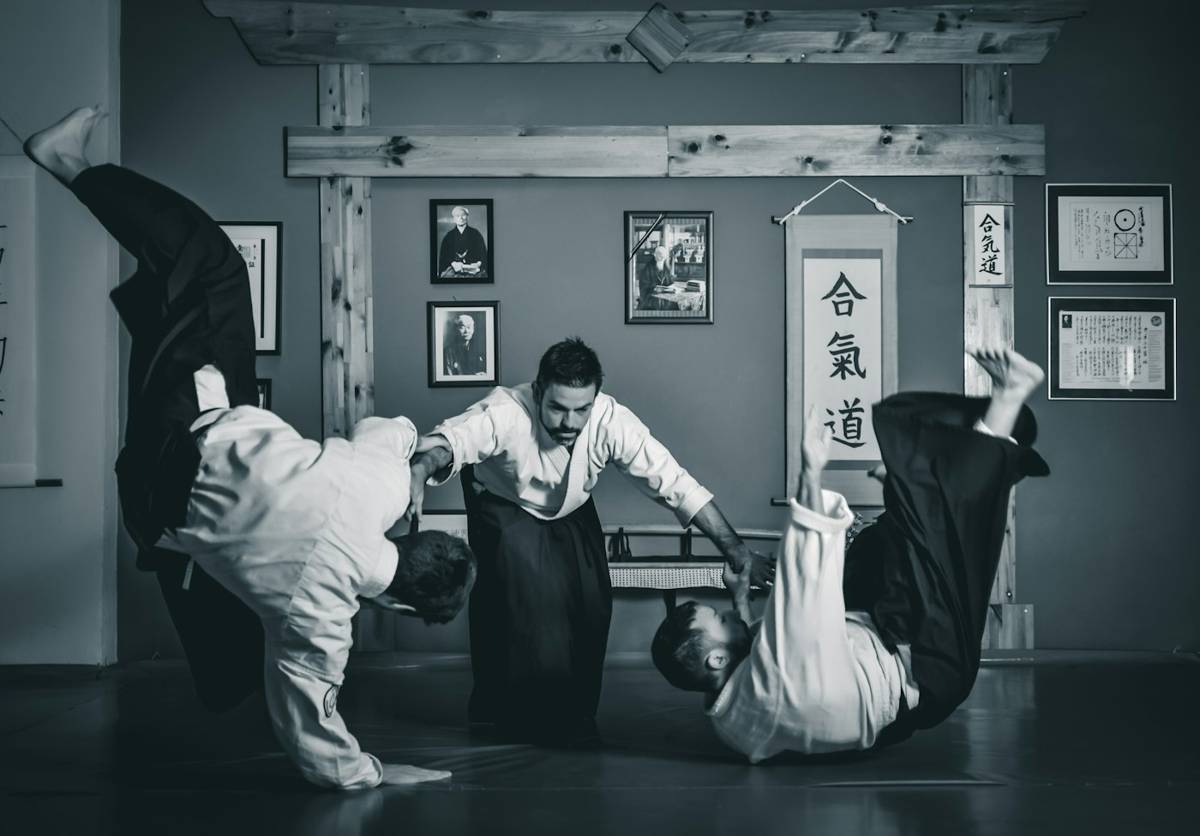
Aikido was founded in Japan by Morihei Ueshiba in the twentieth century. Students learn to blend with an attack and redirect it into throws and pins, and to fall and roll safely.
Most aikido styles have no competition, which some families love and others miss. Children's classes focus on rolling, cooperation, etiquette and calm movement.
Inside a class
What a class looks like
A typical 45 minute kids class, minute by minute.
- 8 minBow in and warm upStretching and quiet focus
- 12 minRolling and fallingForward and backward rolls
- 15 minTechniqueA throw or pin with a partner
- 10 minGames and reviewMovement games and bowing out
About 45 minutes in all.
Ranks and progress
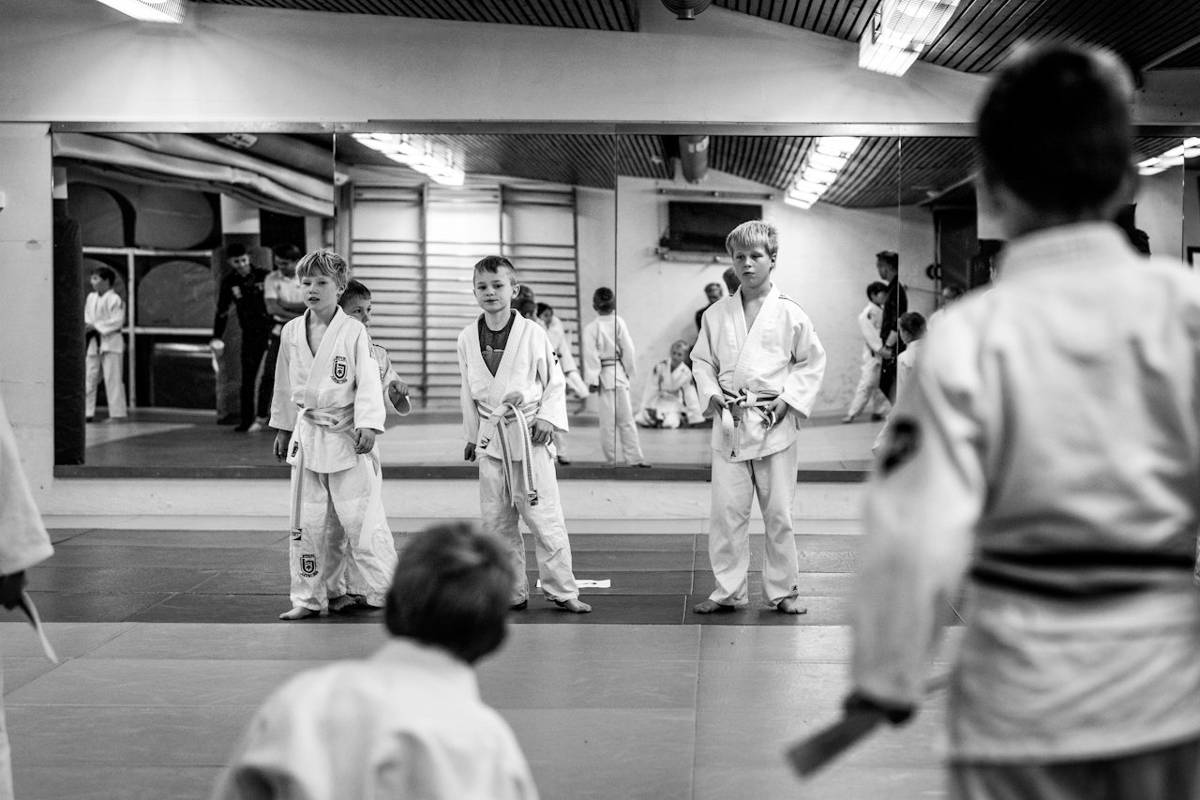
Aikido uses kyu grades below black belt and dan grades above. Children's programs often add colored belts; adult aikido often uses only white and black.
- 1Beginner kyuRolls, falls and the basic movements
- 2Middle kyuCore throws and pins with a partner
- 3Senior kyuMultiple attackers, weapons basics
- 4Shodan (black belt)Usually in the teens or adulthood
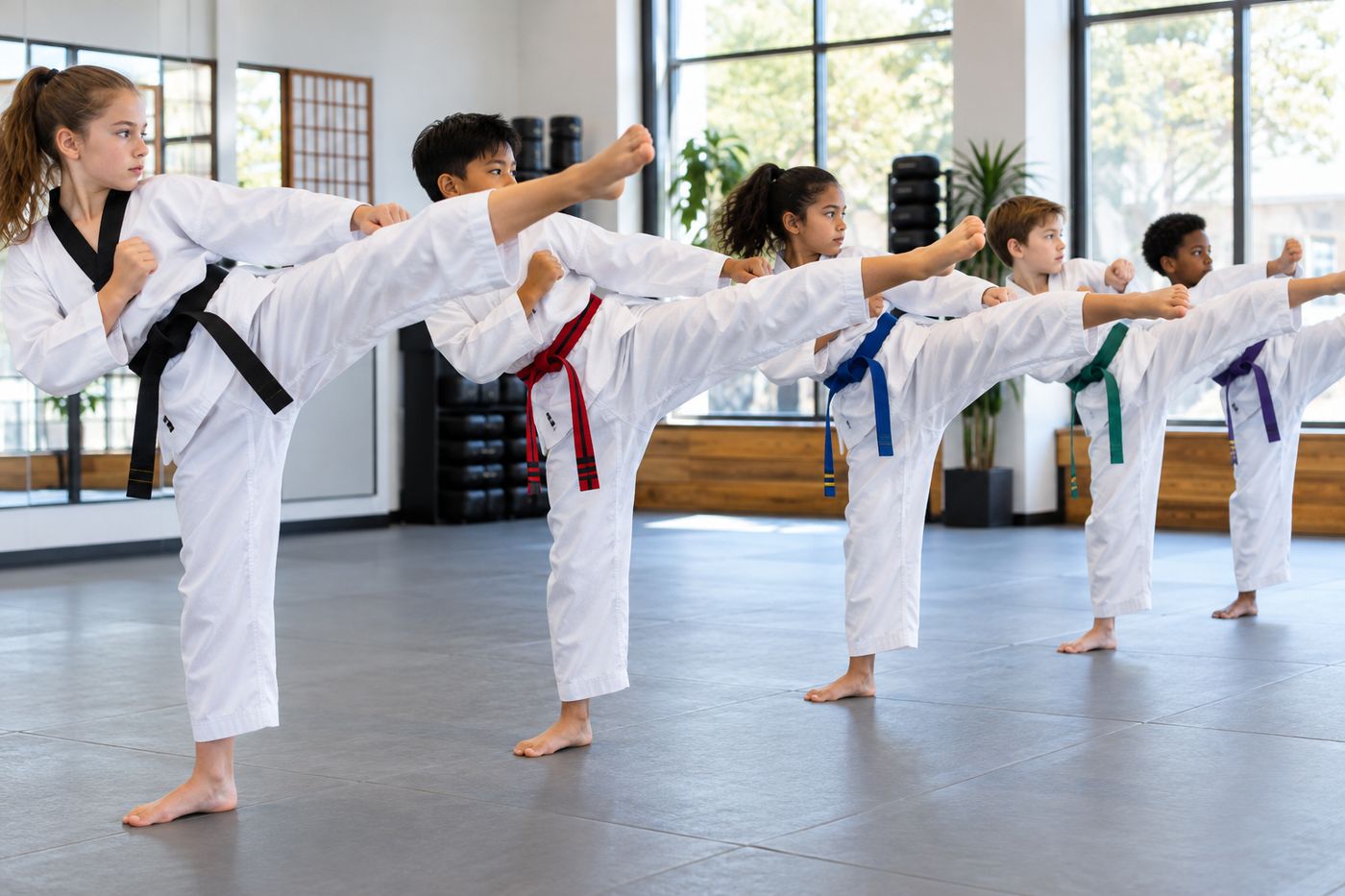
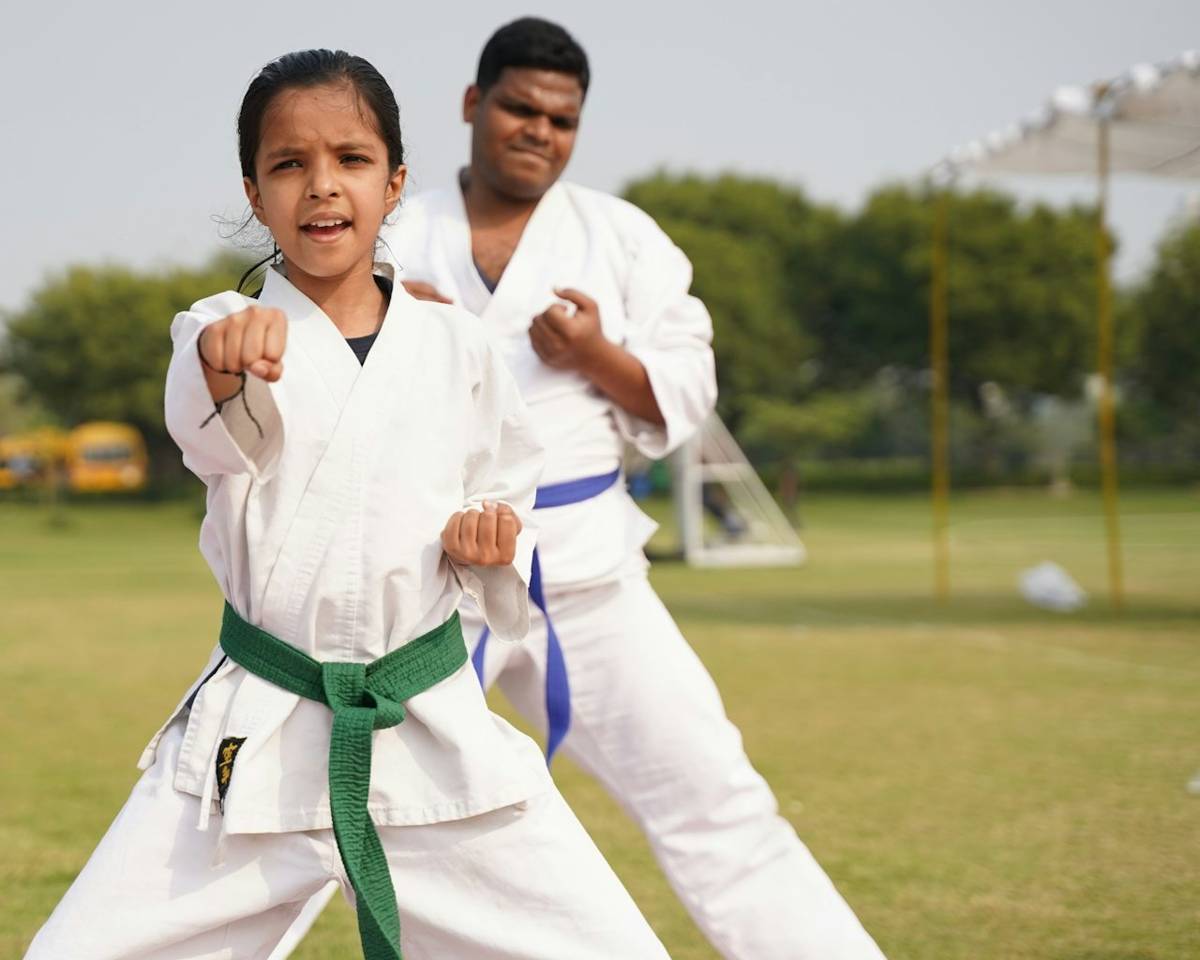
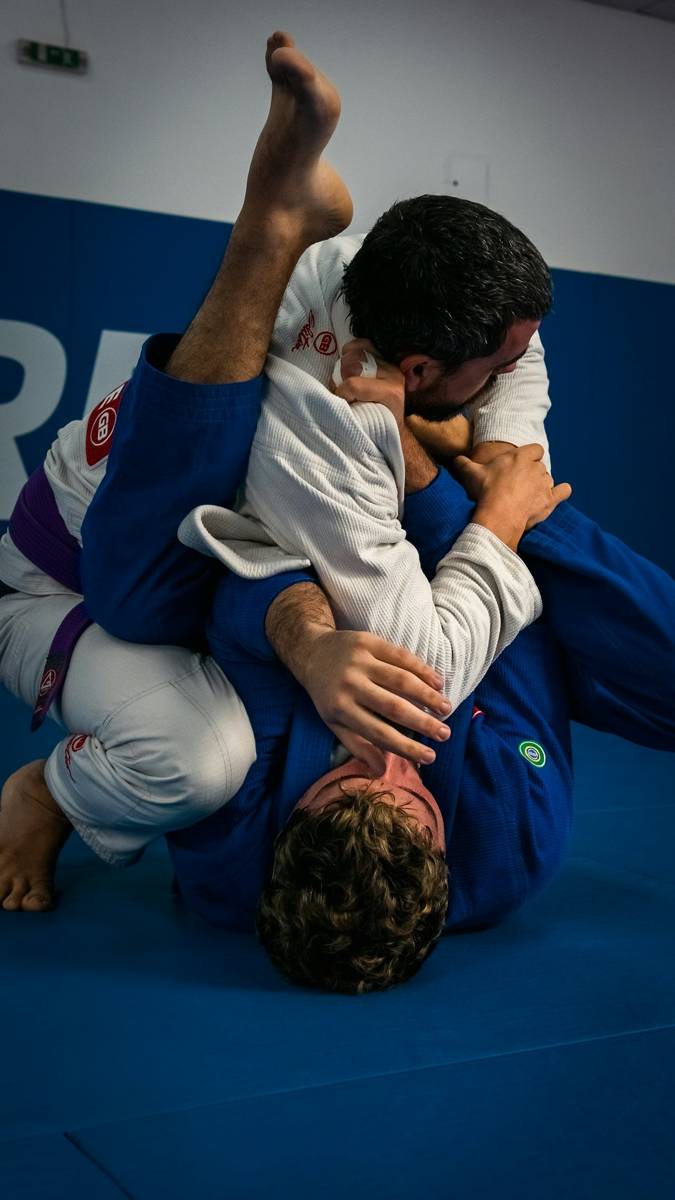
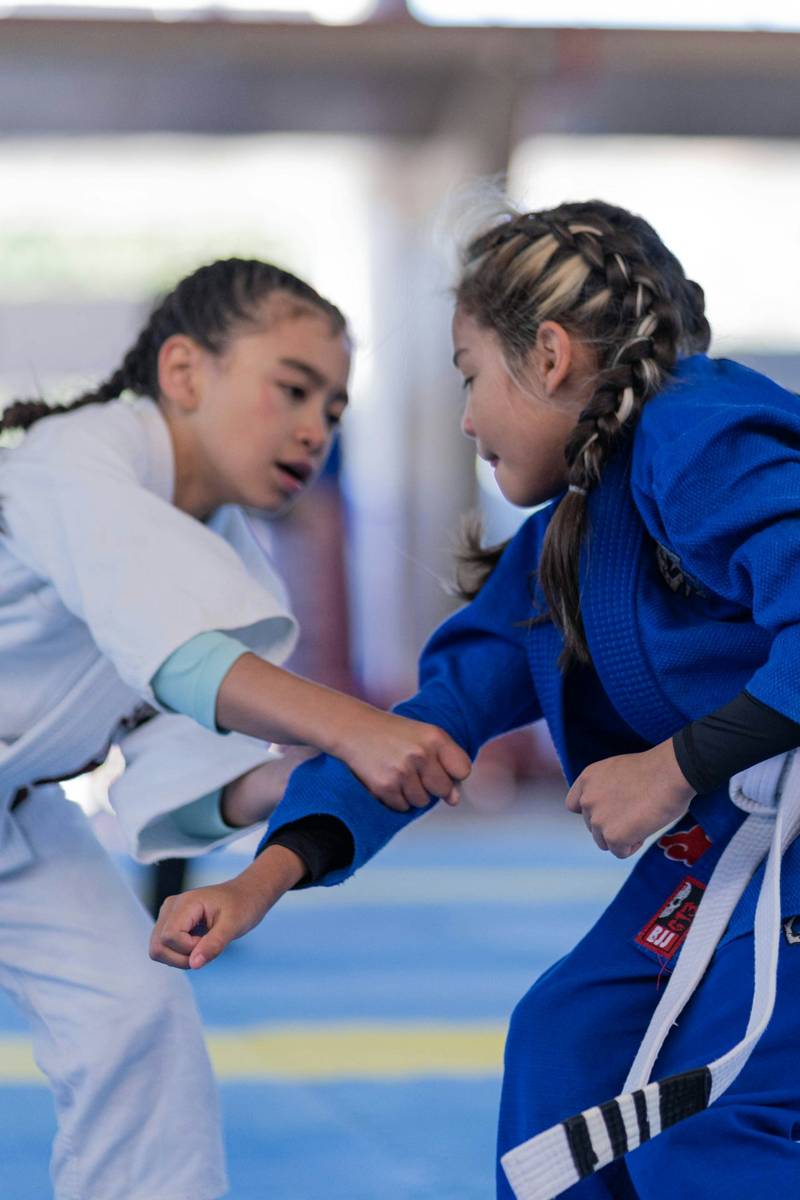
In pictures
A great fit for
- Calm, cooperative children
- Kids who dislike competition
- Families who value etiquette and philosophy
Think twice if
- Self-defense against resistance is your goal
- Your child wants to compete
- Your child needs lots of energy release
Month by month
The first year of Aikido
What a child training about twice a week usually learns. Every school sets its own pace.
- Weeks 1 to 4Bowing, posture and rolling
Dojo etiquette, kneeling, and forward and backward rolls. Children learn to fall softly before anything else.
- Months 2 to 3Footwork and first techniques
Pivots and steps, then simple throws and wrist releases practised slowly with a cooperative partner.
- Months 4 to 8First grading
Many dojos hold a first kyu grading after a few months, showing rolls, footwork and a set of basic techniques.
- Months 9 to 12Smoother flow
Techniques get faster, partners give more energy, and children learn gentle pins and more ways to fall.
Safety and contact
Sparring
None. All practice is cooperative, with a partner who attacks and then falls.
Head contact
No strikes to the head in practice.
Common injuries
Sore wrists, bumps from falls; low overall.
Ask the school: Ask how joint locks are taught to children and how gently partners work.
What it costs
Typical US ranges. Prices vary a lot by city and school.
| Monthly fee | $50 to $150 |
|---|---|
| Grading fees | $20 to $60 |
| Gi (uniform) | $40 to $80 |
| Yearly association fee | $0 to $60 |
Gear and when you need it
Don't buy everything up front. Most of it waits until later.
| Gi and white belt | After a trial period |
|---|---|
| Flip-flops for off the mat | From day one |
| Wooden practice weapons | Older children, later |
| Hakama (skirt-like trousers) | Usually only at higher grades |
Signs of a good school
- A separate children's class
- Instructors graded by a recognized aikido organization
- Lots of rolling and falling practice
- A calm, friendly dojo
Red flags
- Claims of unstoppable self-defense
- Joint locks applied hard on children
- No children's curriculum
- Very high fees for a cooperative art
Words you'll hear in class
- Onegaishimasu
- Please (said when starting practice)
- Domo arigato gozaimashita
- Thank you very much
- Ukemi
- Rolling and falling
- Nage
- The person doing the technique
- Uke
- The person attacking and falling
- Seiza
- Kneeling sit
Myths and facts
MythAikido is too gentle to be useful.
FactIt builds balance, falling skill and calm under pressure, which help children in many situations.
MythAikido has competitions.
FactMost styles have none; practice is cooperative.
MythIt is only for adults.
FactMany dojos run children's classes from about 6.
MythYou use weapons from day one.
FactWeapons usually come later, mostly for older students.
Questions parents ask
What age can kids start aikido?
Many dojos accept children from about 6, some from 5.
Is aikido good for shy kids?
Often yes. There is no sparring or competition, and classes are calm and cooperative.
Is aikido good for self-defense?
It teaches awareness, escapes and falling. It does not include sparring, so pressure testing is limited.
Find a Aikido class near you
Search by ZIP code, see what's close, and use our checklist when you visit.
Find a classStart reading
Our guides to Aikido, written for parents.
How it compares
Side-by-side guides for parents weighing Aikido against other styles.
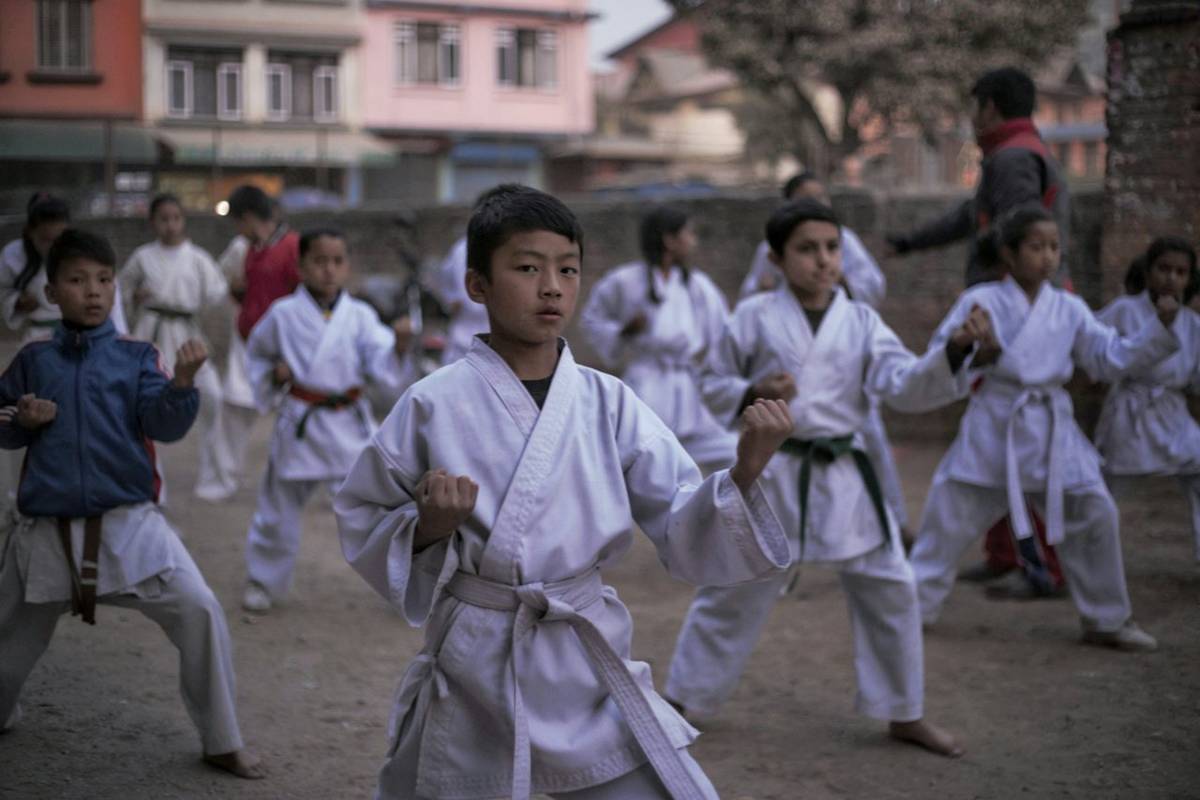 Choosing a styleBest martial art for kids: an honest comparison for parentsTaekwondo, karate, Brazilian Jiu-Jitsu, judo, kung fu, wrestling and kickboxing compared for children: what each one teaches, starting ages, costs, safety and which kind of child each style suits.
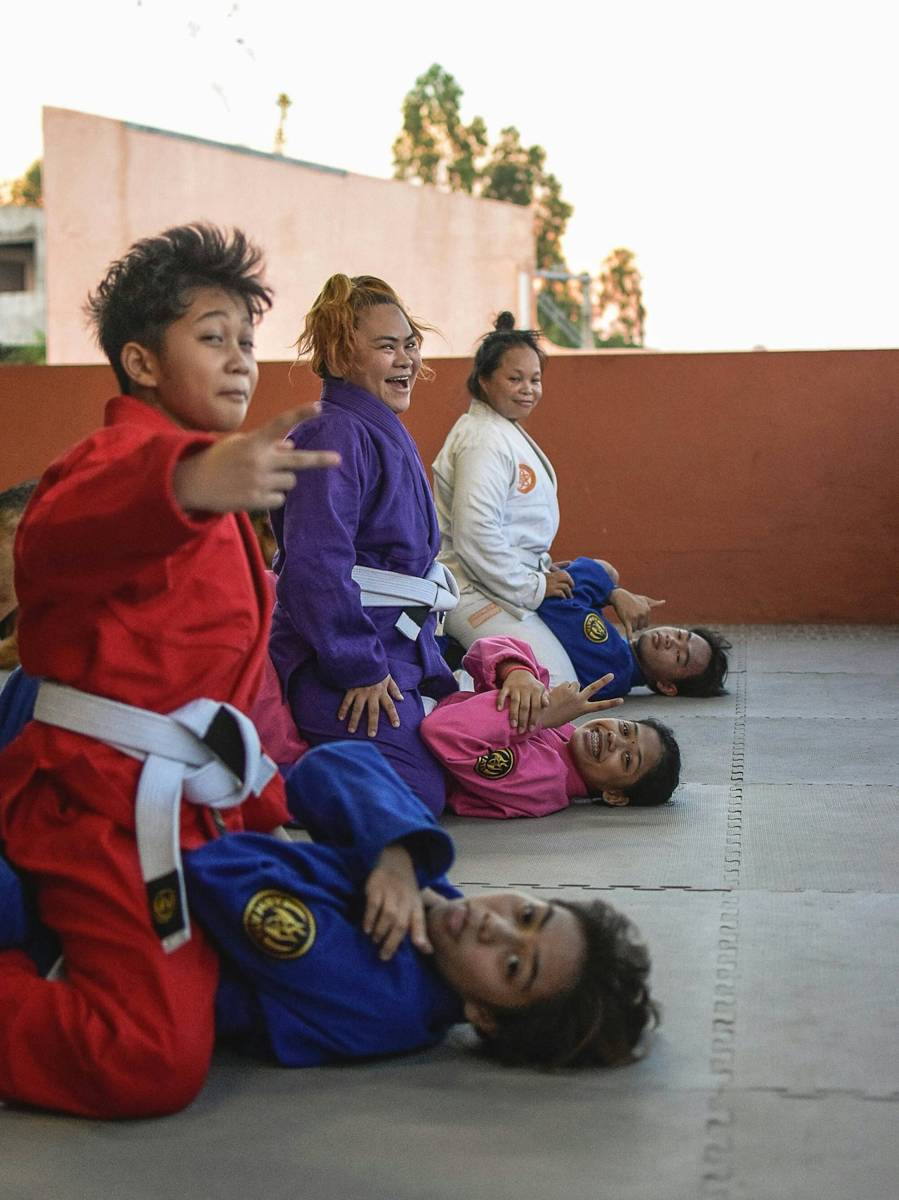 Your childSafest martial art for kids: injury risk and head contact by styleWhich martial arts are safest for children? Common injuries in each style, head contact and concussion risk, how kids' rules protect young athletes, and the safety questions to ask any school.
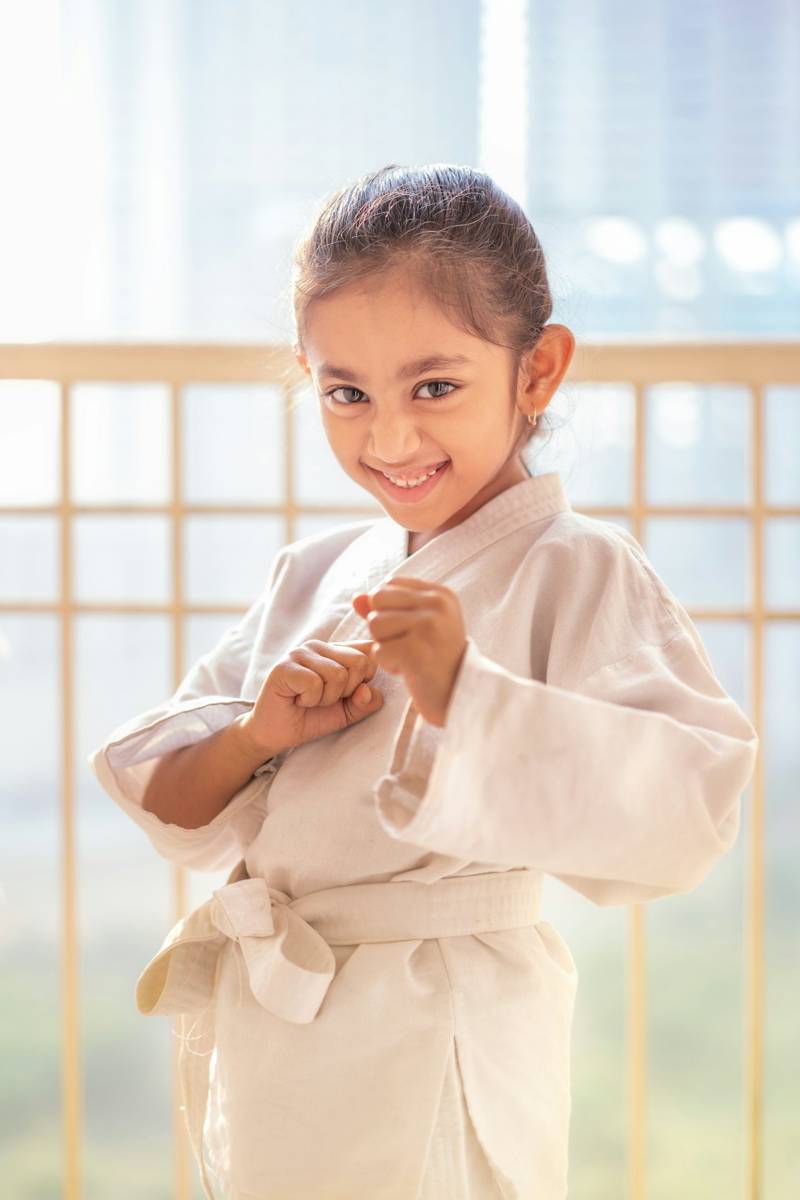 Your childMartial arts for shy kids: building confidence without pressureCan martial arts help a shy or anxious child? How classes build confidence, which styles and schools suit quiet children, how to handle the first class, and the warning signs of a bad fit.