Pick by goal
- Very quiet childSmall classLess noise and more personal attention.
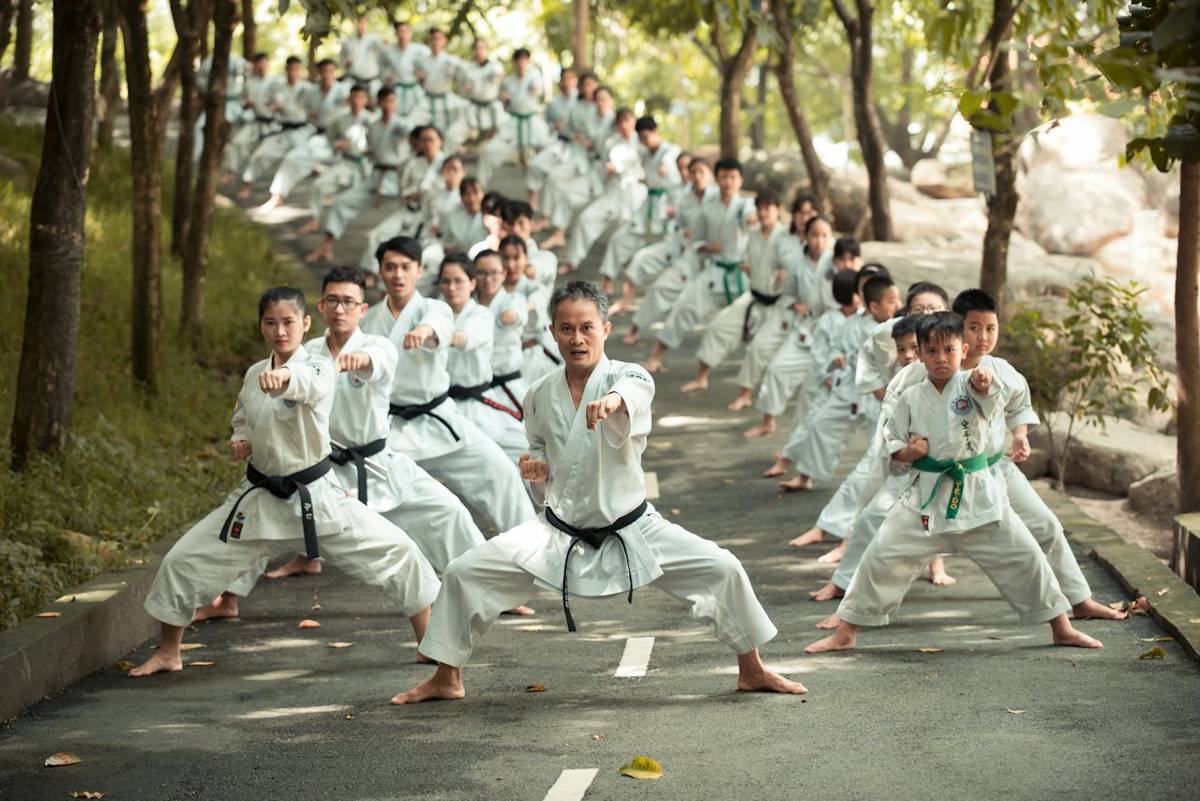
- Nervous about contactKarate or TaekwondoLittle close contact at first.
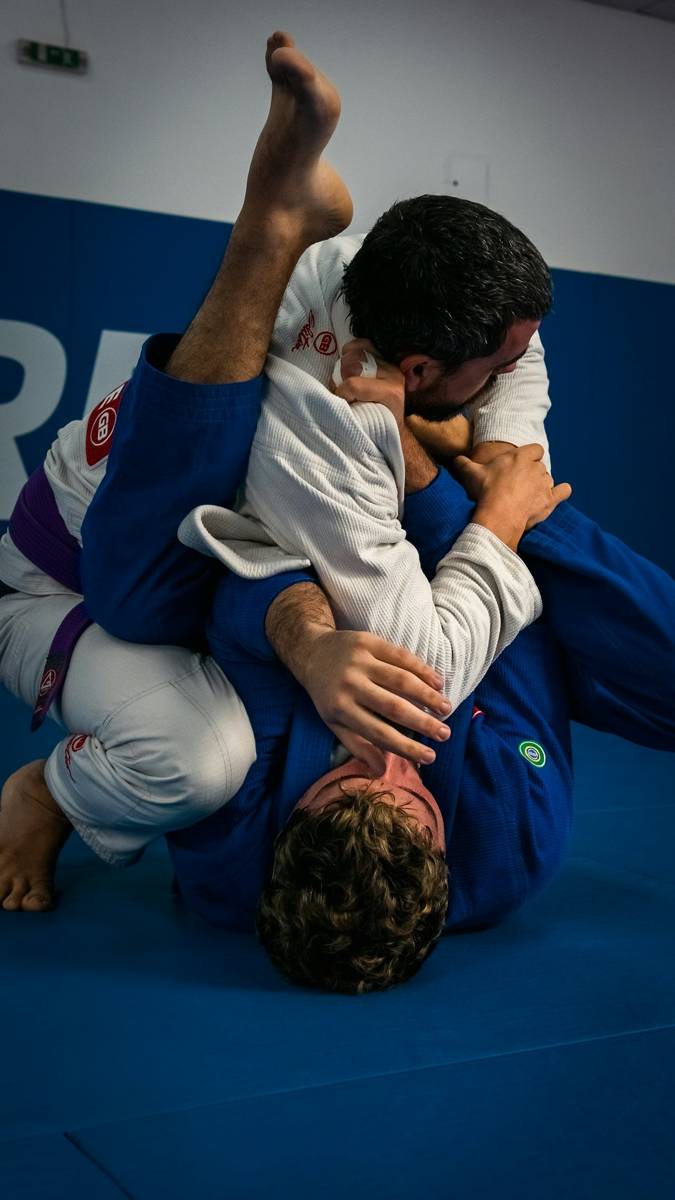
- Worried about bulliesBJJ or judoControl and escapes build real confidence.
- Needs frequent winsTaekwondoBelts and stripes come often.
On this page
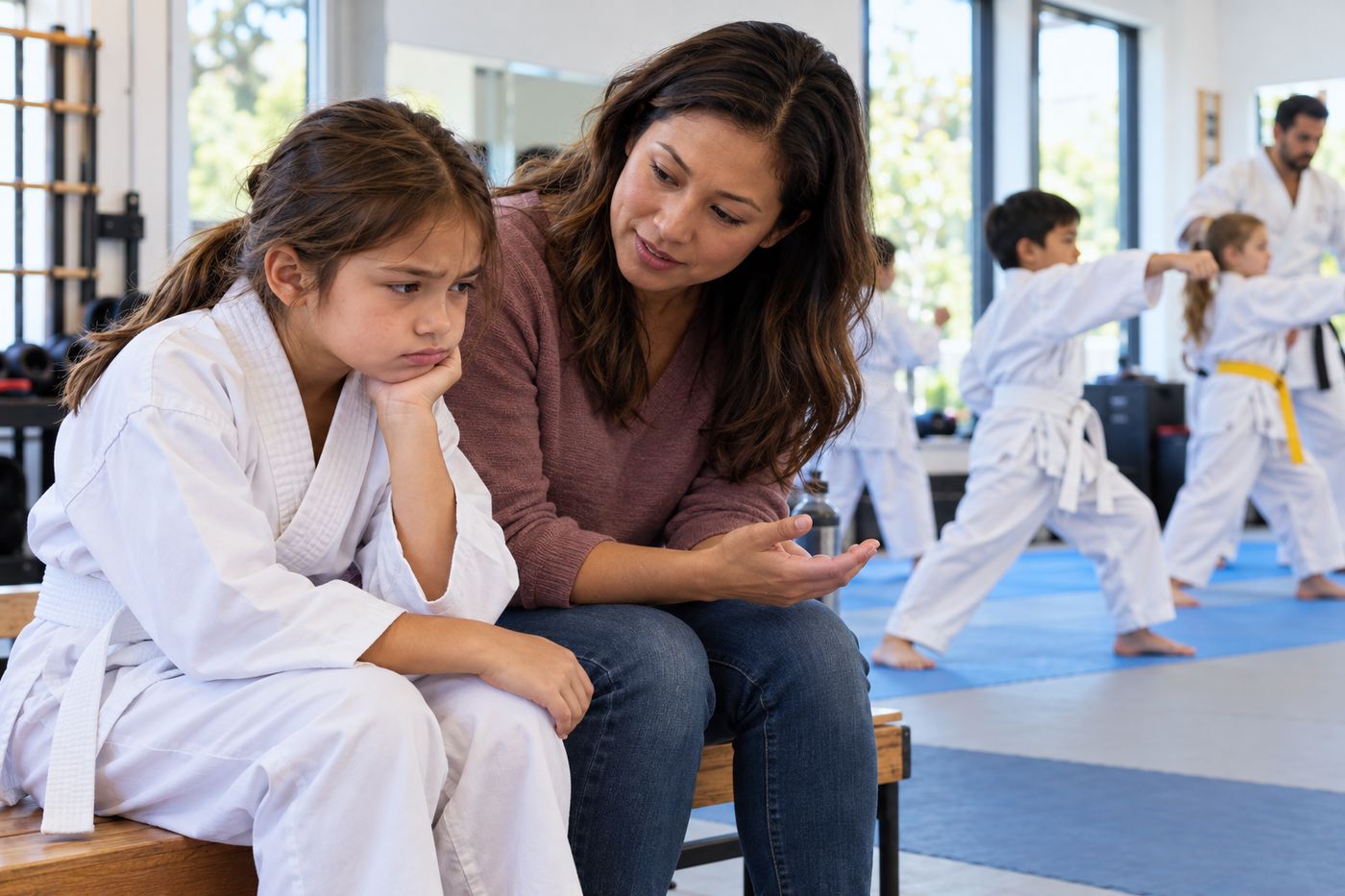
Shy children often get overlooked in team sports. They hang back, wait to be passed the ball and quietly decide they are not sporty. Martial arts work differently. Every child practises the whole class, progress is personal, and confidence is built step by step through things a child can see: a stripe on the belt, a kick that finally works, a test passed in front of the class. For many quiet children, martial arts are where they first discover they can be brave.
How martial arts build confidence
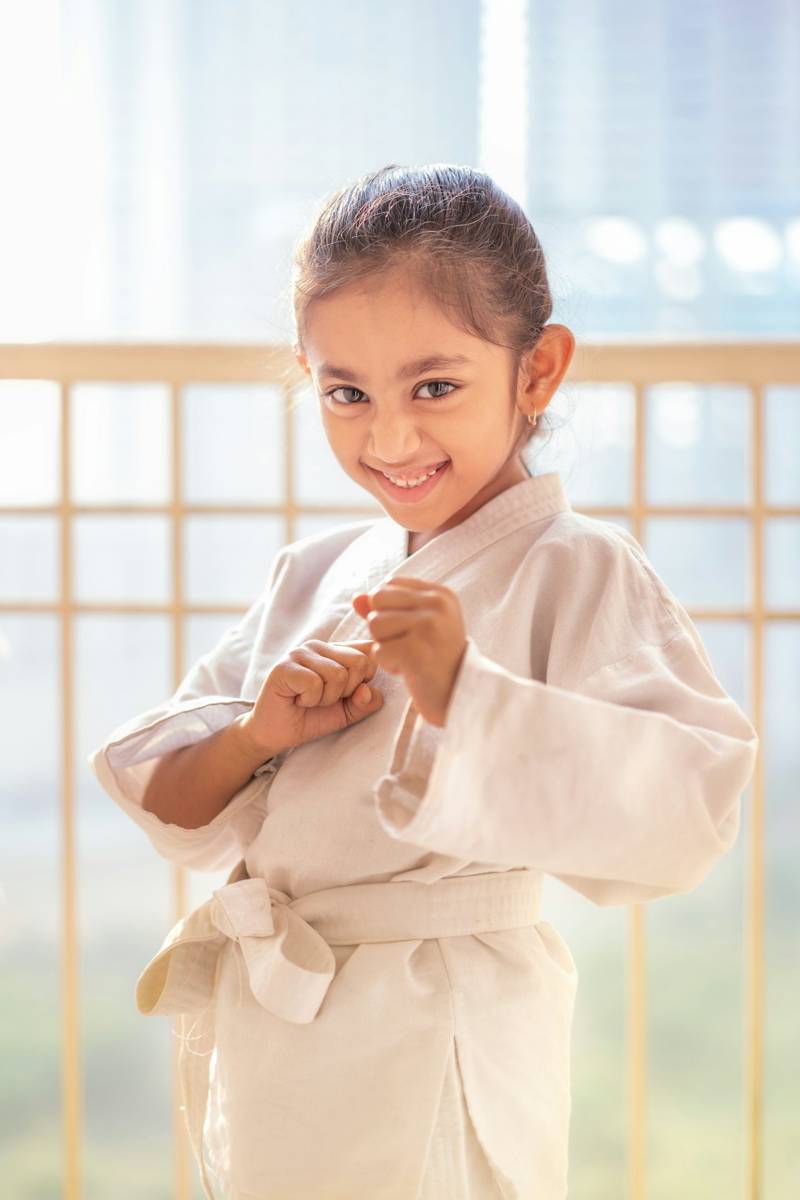
Confidence in martial arts grows from competence. A shy child learns a stance, then a block, then a kick, and each small success is recognized. Belts and stripes make progress concrete, and belt tests give children practice at performing in front of others in a supportive setting. Loud counting and shouting, which feel scary at first, become a release. Over months, children learn that they can be nervous and still do something well, which is a lesson that carries over to school and friendships.
The structure helps too. In a martial arts class, everyone knows where to stand and what to do. There is no scramble to find a partner or a place on the team, and the instructor guides every step. That predictability makes it easier for an anxious child to relax and focus on the task.
Choosing a style
Most styles can work. Karate and Taekwondo involve little close contact at first, which suits children who are nervous about being touched, and their frequent belts keep motivation high. Brazilian Jiu-Jitsu and judo involve close partner work from the start, which some shy children find too much, but grappling can build a deep, physical kind of confidence, especially for children who worry about being pushed around. Our comparison of the styles and quiz can help.
Choosing a school
For a shy child, the school matters far more than the style. Look for smaller classes or several instructors on the mat, so your child is not lost in a crowd. Watch how the instructor treats quiet children: a good teacher invites, encourages and praises specifically, without putting a child on the spot. Avoid schools where children are shouted at, mocked for mistakes or pushed into sparring before they are ready. Our guide to choosing a martial arts school has a full checklist.
The first class
Prepare your child beforehand by visiting the school, watching a class together and explaining what will happen. Arrive early, when the room is calmer. If your child does not want to join in, let them watch, and try again next time without pressure. Many shy children need two or three visits before stepping onto the mat, and that is fine. A good school will be patient. Our guide to what to bring to the first class covers the practical side.
The first few months
Expect slow, steady change. In the first weeks, your child may stay at the back and speak quietly. By the first belt test, many children are noticeably more comfortable. Praise effort and courage, not just results. If your child is still miserable after a fair trial, talk to the instructor, try a different class time or another school before deciding martial arts are not for them.
Warning signs of a bad fit
Be cautious if an instructor singles out your child for not shouting loud enough, forces them into sparring or demonstrations before they are ready, or uses embarrassment as motivation. Shy children need encouragement, not pressure. A good school builds confidence quietly, one small win at a time.
Questions parents and students ask
Is martial arts good for a shy child?
Often, yes. Classes give shy children clear rules, a defined role and frequent small successes, all in a setting where everyone is learning together. Over time, many children who barely spoke in class are leading warm-ups and helping newer students.
What if my child refuses to join in the first class?
That is very common. Let your child watch from the side, sit with them, and try again next time. A good instructor will invite your child in gently and never force them. Many children need two or three visits before they step onto the mat.
Will my shy child have to shout?
Most styles use a loud shout, called a kihap or kiai, and counting out loud. Shy children often find this hard at first, then love it. Good instructors encourage it without singling a child out.