Hapkido
합기도 "the way of coordinated energy"
Korea's self-defense art: joint locks, throws, escapes and kicks.
- Comes from
- Korea
- Type
- Locks, throws and kicks
- Usual start
- About 5 to 7
- Olympic
- No
- Typical cost
- $100 to $250 a month
- Ranks
- Colored belts, varies
In one minute
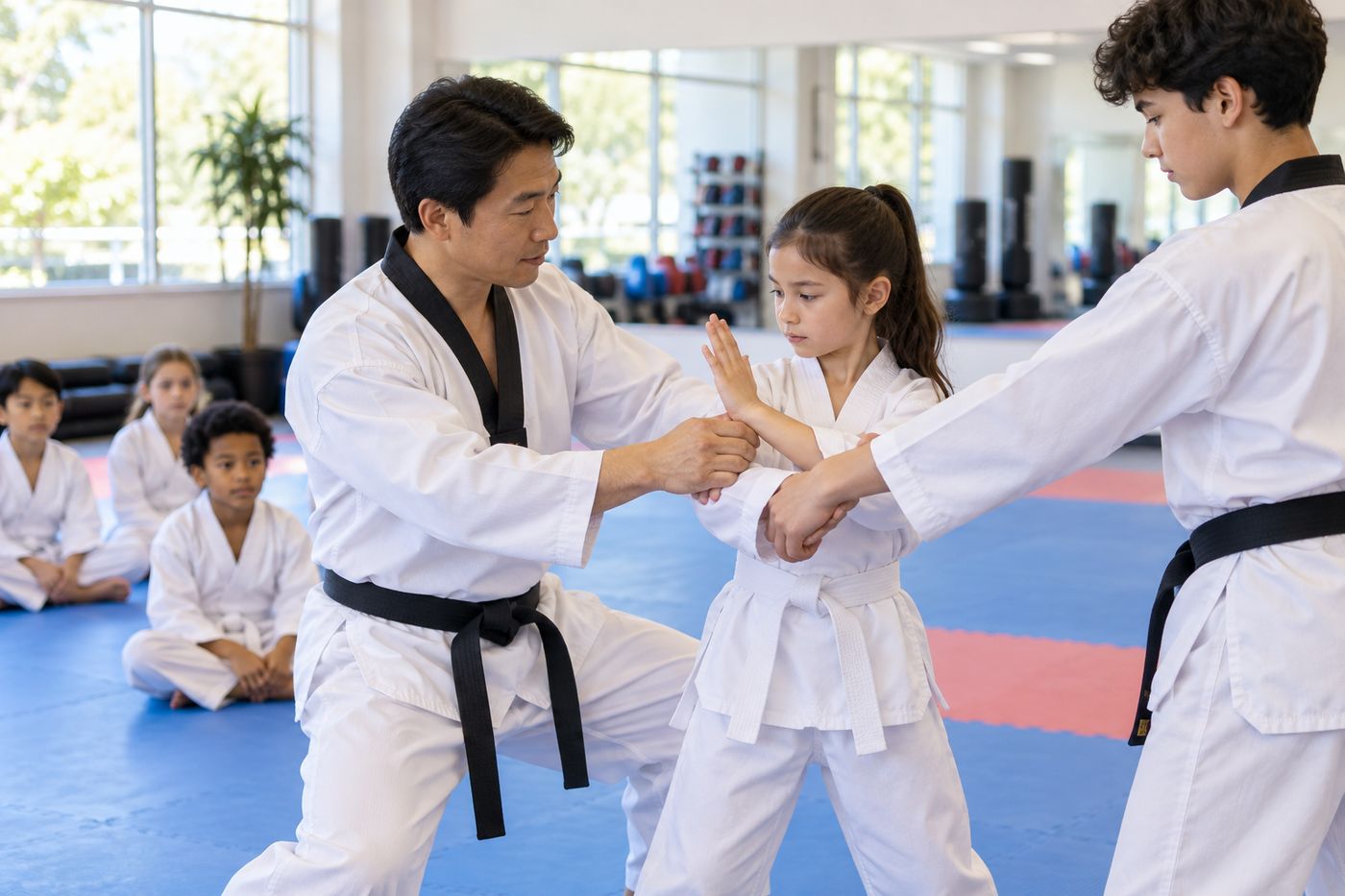
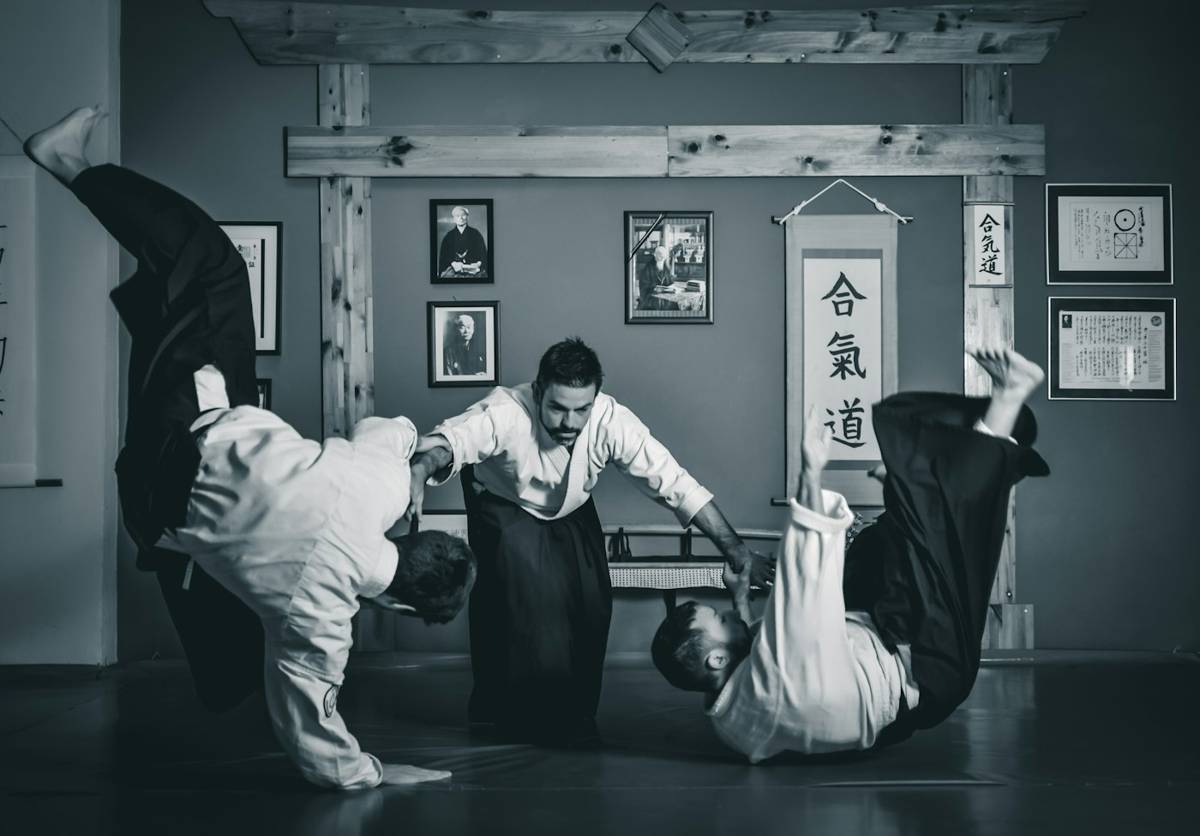
Hapkido is a Korean martial art that combines joint locks, throws and escapes with kicks and strikes. It is often taught alongside Taekwondo at Korean schools, and many students train in both.
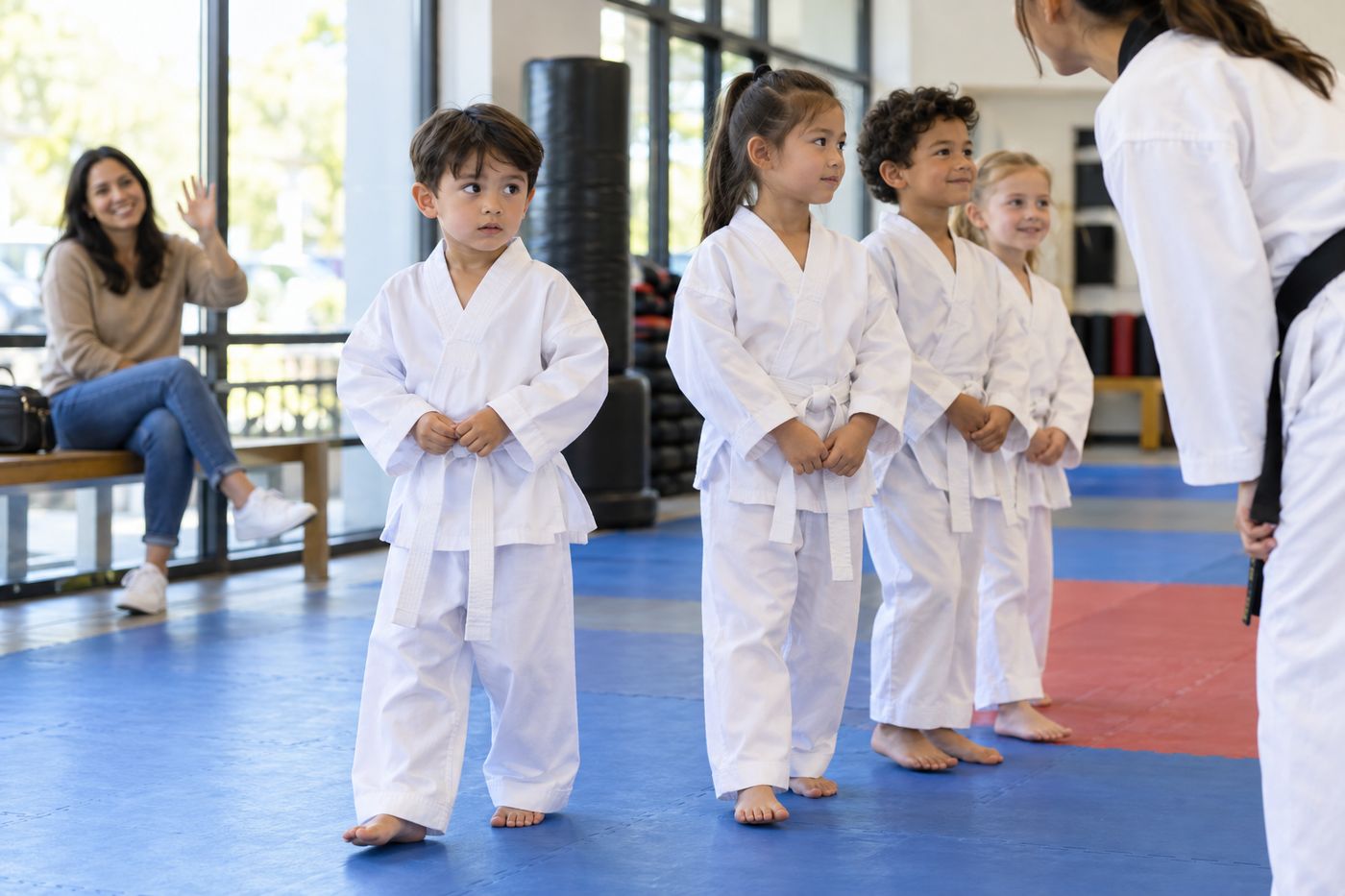
For children, hapkido focuses on escapes from grabs, safe falling and simple locks practised with care. There is little competition, and curricula vary between organizations.
Inside a class
What a class looks like
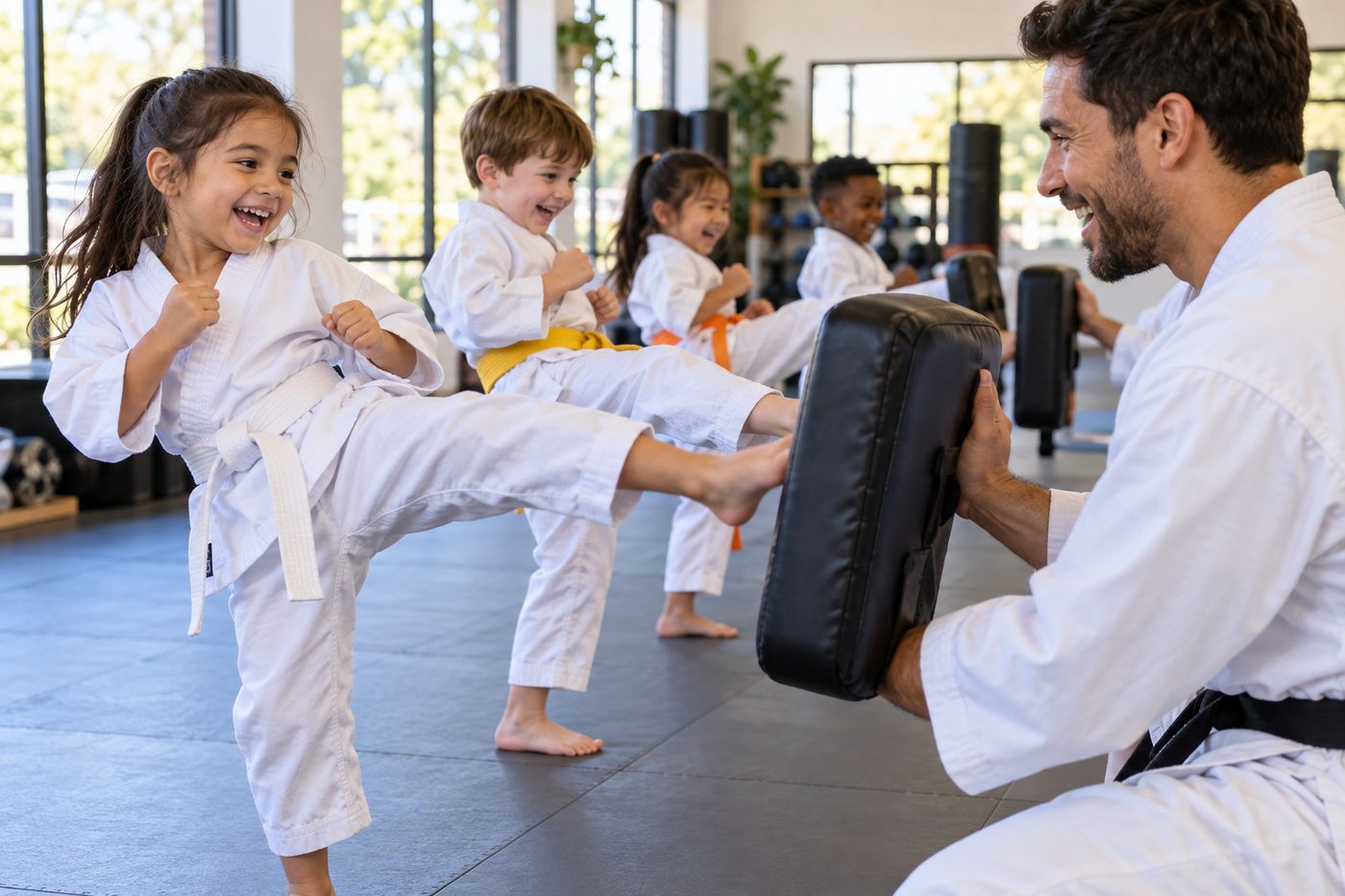
A typical 50 minute kids class, minute by minute.
- 10 minWarm up and fallsRolls and breakfalls
- 15 minEscapesWrist grabs and holds
- 10 minKicksBasic and self-defense kicks
- 15 minLocks and throwsSlow, controlled partner work
About 50 minutes in all.
Ranks and progress
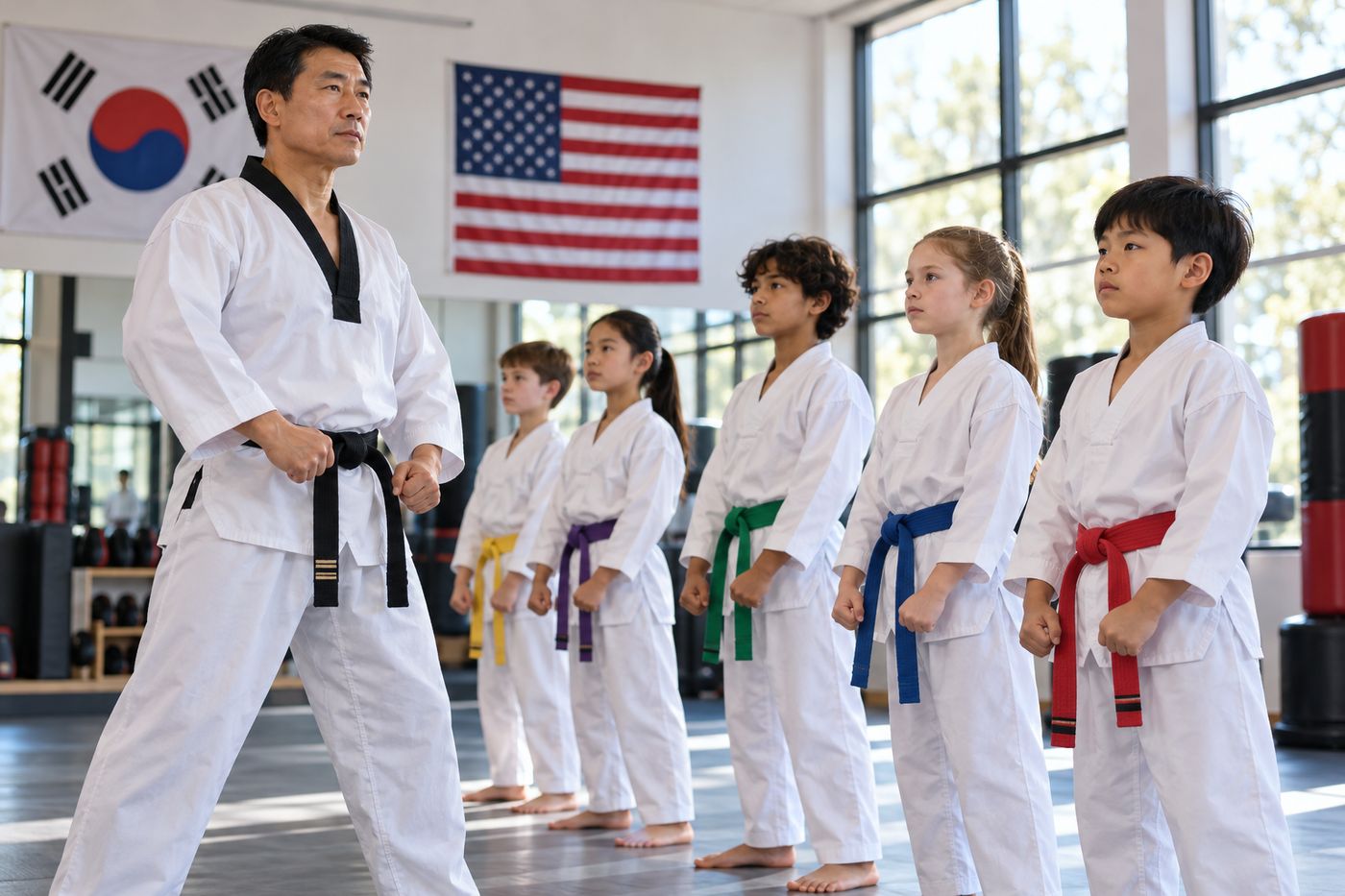
Most schools use colored belts similar to Taekwondo, with black belt after several years. Colors and requirements vary by organization.
- 1White to yellowFalls, rolls and wrist escapes
- 2Green to blueLocks, throws and kick combinations
- 3Red and brownDefenses against multiple attacks
- 4Black beltUsually after several years
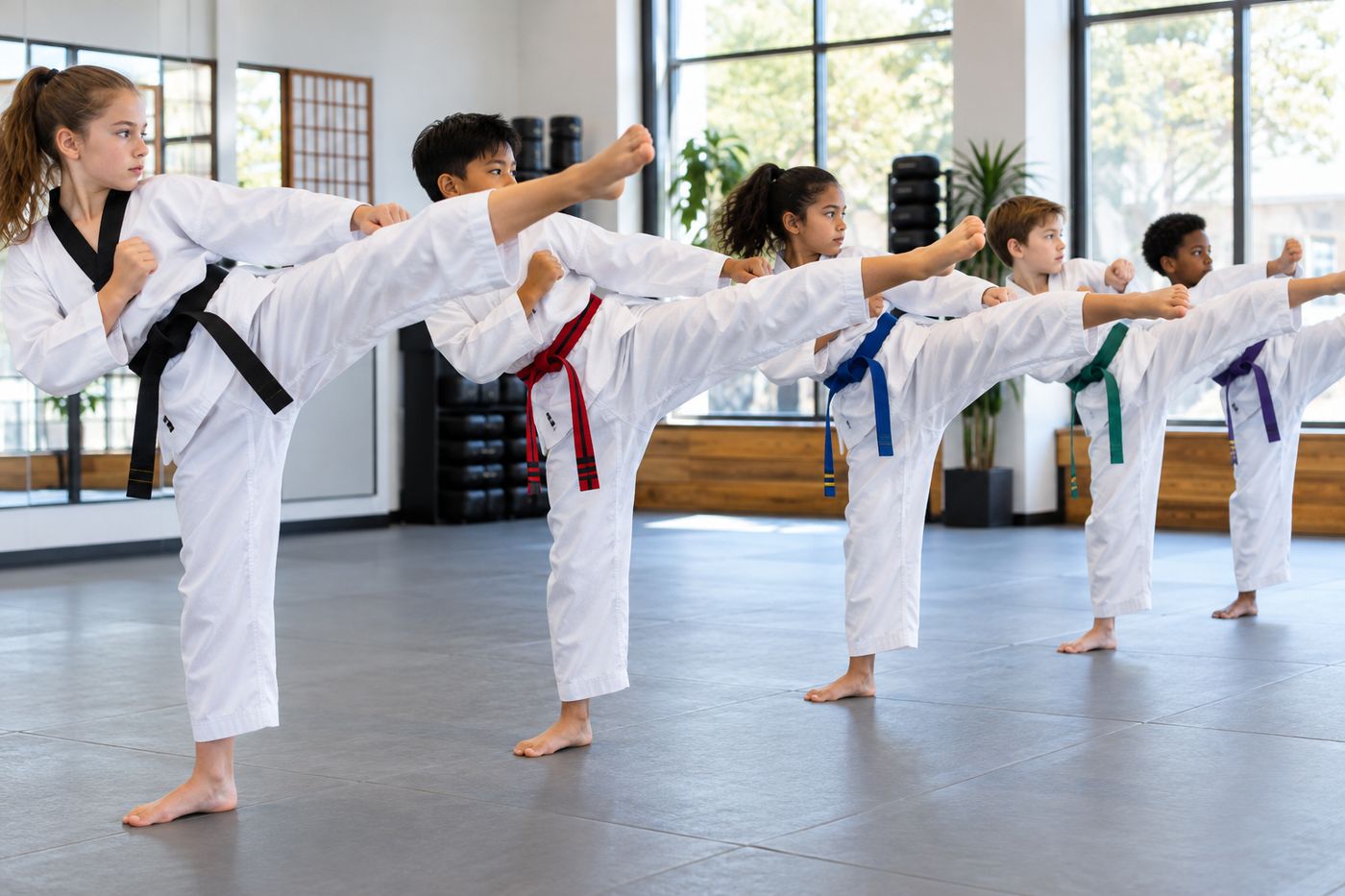
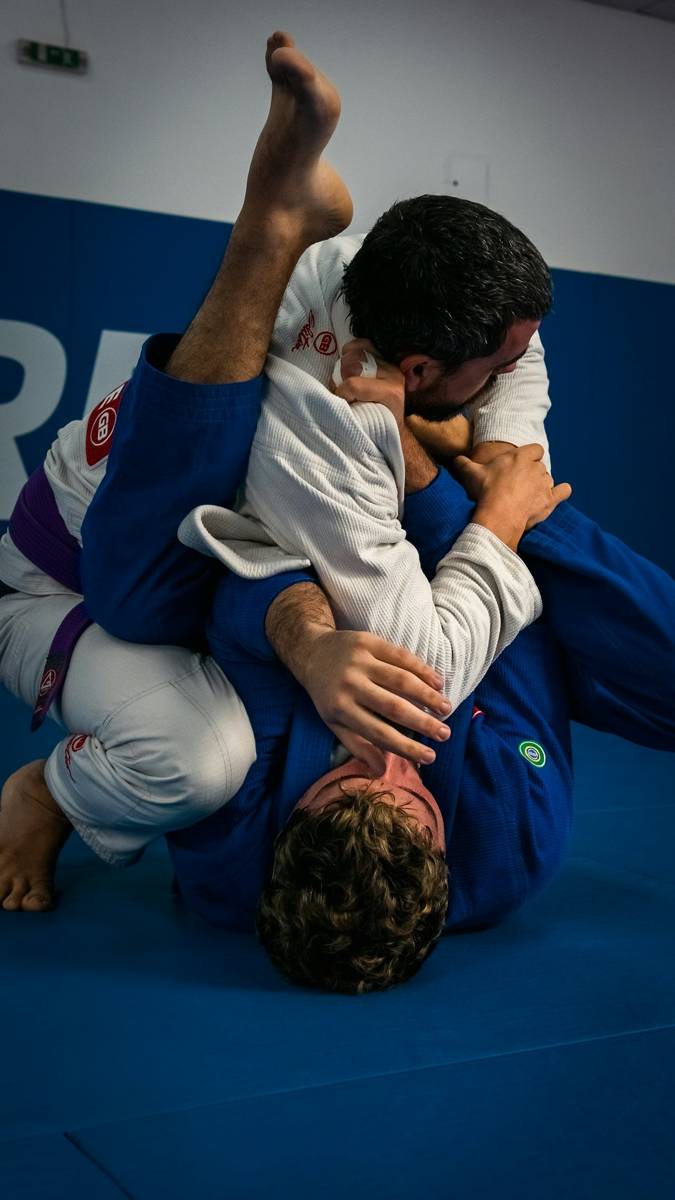
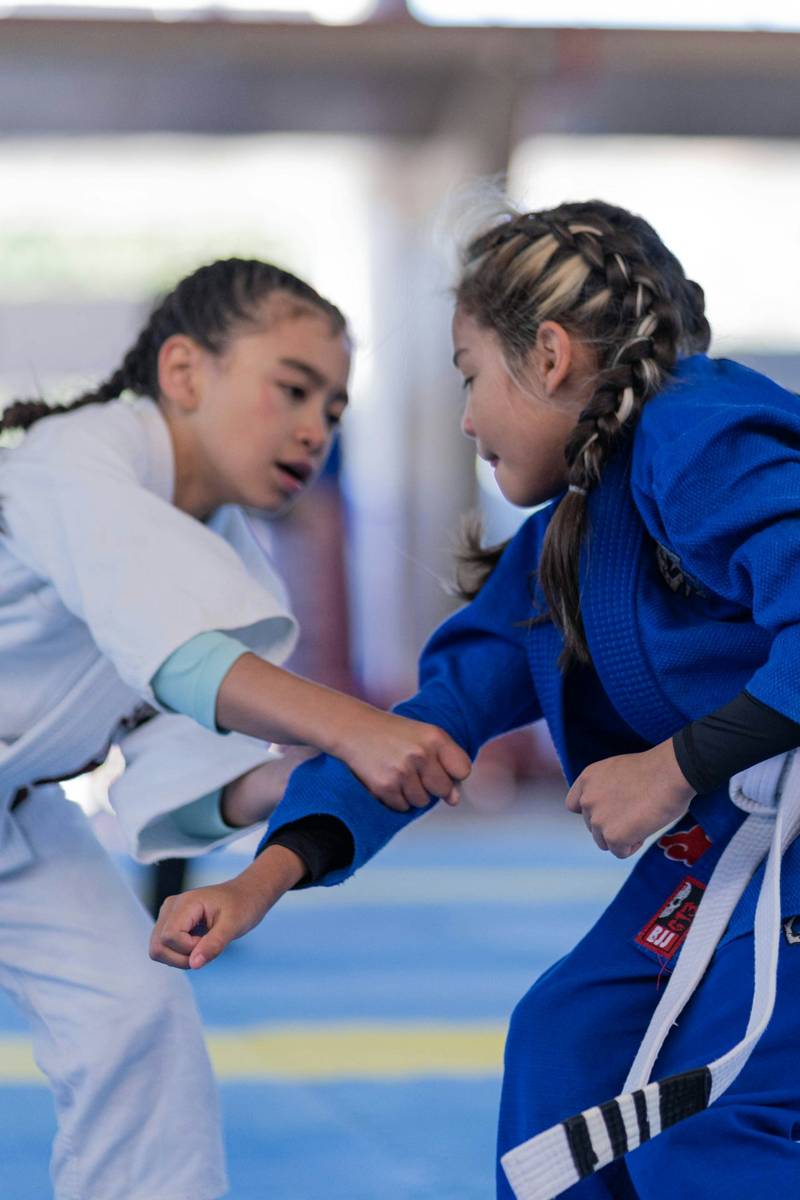
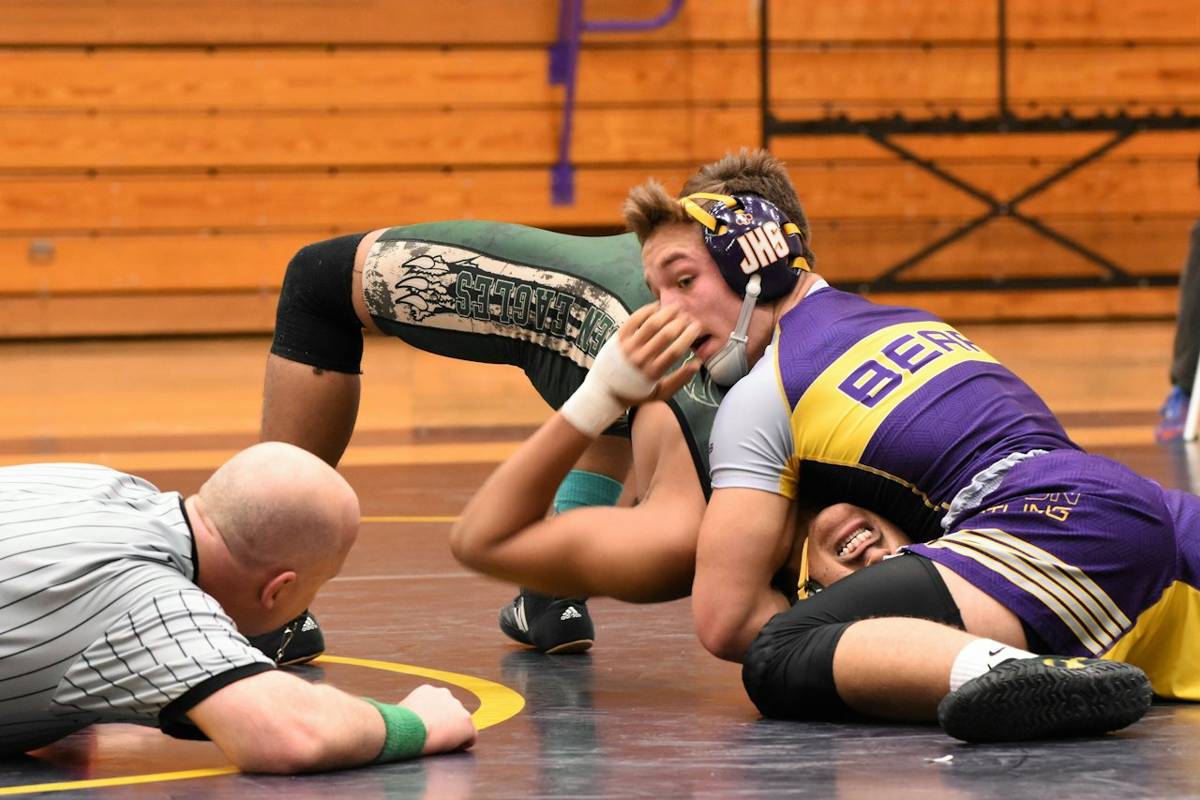
In pictures
A great fit for
- Kids who want self-defense with kicks
- Taekwondo students wanting more
- Children who like partner work
Think twice if
- Your child wants to compete
- Locks are practised roughly
- You want a standardized curriculum
Month by month
The first year of Hapkido
What a child training about twice a week usually learns. Every school sets its own pace.
- Weeks 1 to 4Falls, stances and kicks
Breakfalls and rolls, a basic stance and simple kicks. Children learn to bow and count in Korean.
- Months 2 to 3Wrist releases
Escaping wrist and clothing grabs, practised slowly with partners. A first belt test often comes here.
- Months 4 to 8Gentle locks and throws
Simple joint locks, applied lightly, and first throws onto soft mats, plus more kicks.
- Months 9 to 12Self-defense sets
Combining escapes, strikes and throws against set attacks, plus higher belts.
Safety and contact
Sparring
Some schools add light sparring; much training is set partner drills.
Head contact
Little head contact for children in most schools.
Common injuries
Sore wrists from locks, bumps from falls.
Ask the school: Ask how joint locks are taught to children and how much control partners use.
What it costs
Typical US ranges. Prices vary a lot by city and school.
| Monthly tuition | $100 to $250 |
|---|---|
| Belt tests | $40 to $80 each |
| Dobok (uniform) | $40 to $80 |
| Sparring gear | $80 to $150, if used |
Gear and when you need it
Don't buy everything up front. Most of it waits until later.
| Dobok and belt | From day one |
|---|---|
| Mouthguard | For sparring |
| Sparring gear | If the school spars |
| Training weapons (cane, staff) | Later belts |
Signs of a good school
- Instructors certified by a recognized hapkido body
- Joint locks applied gently on children
- Lots of falling practice
- Kids classes separate from adults
Red flags
- Locks cranked hard on children
- Black belt guaranteed by a date
- Frequent paid tests
- Long contracts on day one
Words you'll hear in class
- Charyeot
- Attention
- Gyeongnye
- Bow
- Nakbeop
- Breakfalls
- Sonmok sul
- Wrist techniques
- Dojang
- Training hall
- Sabeomnim
- Instructor
Myths and facts
MythHapkido is just taekwondo.
FactIt shares kicks and Korean terms but focuses on locks, throws and escapes.
MythJoint locks are dangerous for kids.
FactGood schools apply them slowly and lightly.
MythIt is a sport.
FactIt is mainly self-defense, with few competitions.
MythAll hapkido is the same.
FactStyles and federations vary a lot.
Questions parents ask
What age can kids start hapkido?
Many schools take children from about 5 or 6.
Is hapkido good for self-defense?
It focuses on escapes, locks and throws, which suit self-defense.
Hapkido or taekwondo for kids?
Taekwondo is more sport and kicking; hapkido more self-defense and grappling.
Find a Hapkido class near you
Search by ZIP code, see what's close, and use our checklist when you visit.
Find a classStart reading
Our guides to Hapkido, written for parents.
How it compares
Side-by-side guides for parents weighing Hapkido against other styles.
 Choosing a styleBest martial art for kids: an honest comparison for parentsTaekwondo, karate, Brazilian Jiu-Jitsu, judo, kung fu, wrestling and kickboxing compared for children: what each one teaches, starting ages, costs, safety and which kind of child each style suits.
 Choosing a styleBest martial art for a child who is being bulliedWhich martial art helps a bullied child most? Why grappling arts like BJJ, judo and wrestling are often recommended, what striking arts offer, and how martial arts build confidence alongside talking to the school.
 Style vs styleKarate vs Taekwondo for kids: the real differences, explained for parentsKarate or Taekwondo for your child? How the two styles differ in kicks and punches, forms, sparring, belts, competition, cost and class culture, and which kind of child each one suits.