Boxing
the sweet science
Footwork, punching technique and serious fitness, usually from about 8 and up.
- Comes from
- England and worldwide
- Type
- Striking: punches only
- Usual start
- About 8 and up
- Olympic
- Yes
- Typical cost
- Low at clubs, higher at commercial gyms
- Ranks
- None
In one minute
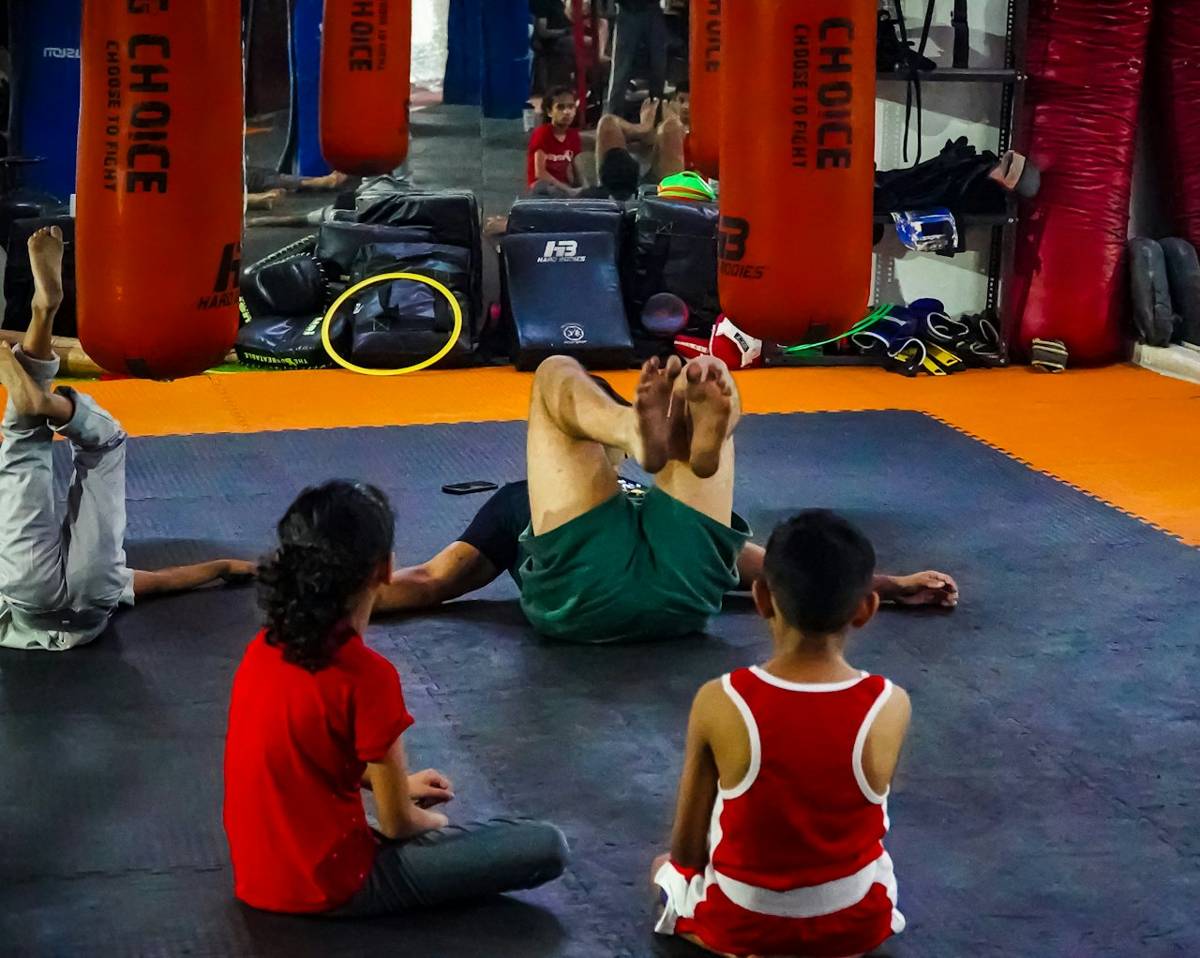
Boxing uses only the fists, and that narrow focus is its strength. Young boxers spend hours on footwork, balance, head movement and a handful of punches, combined in endless patterns on pads, bags and with partners.
Many boxing clubs are nonprofits run through community centers or police athletic leagues, which makes boxing one of the most affordable combat sports. The key question for parents is how much head contact happens in sparring.
Inside a class
What a class looks like
A typical 60 minute youth class, minute by minute.
- 10 minWarm up and jump ropeSkipping, shadow boxing and mobility
- 15 minTechniqueStance, footwork and punch combinations
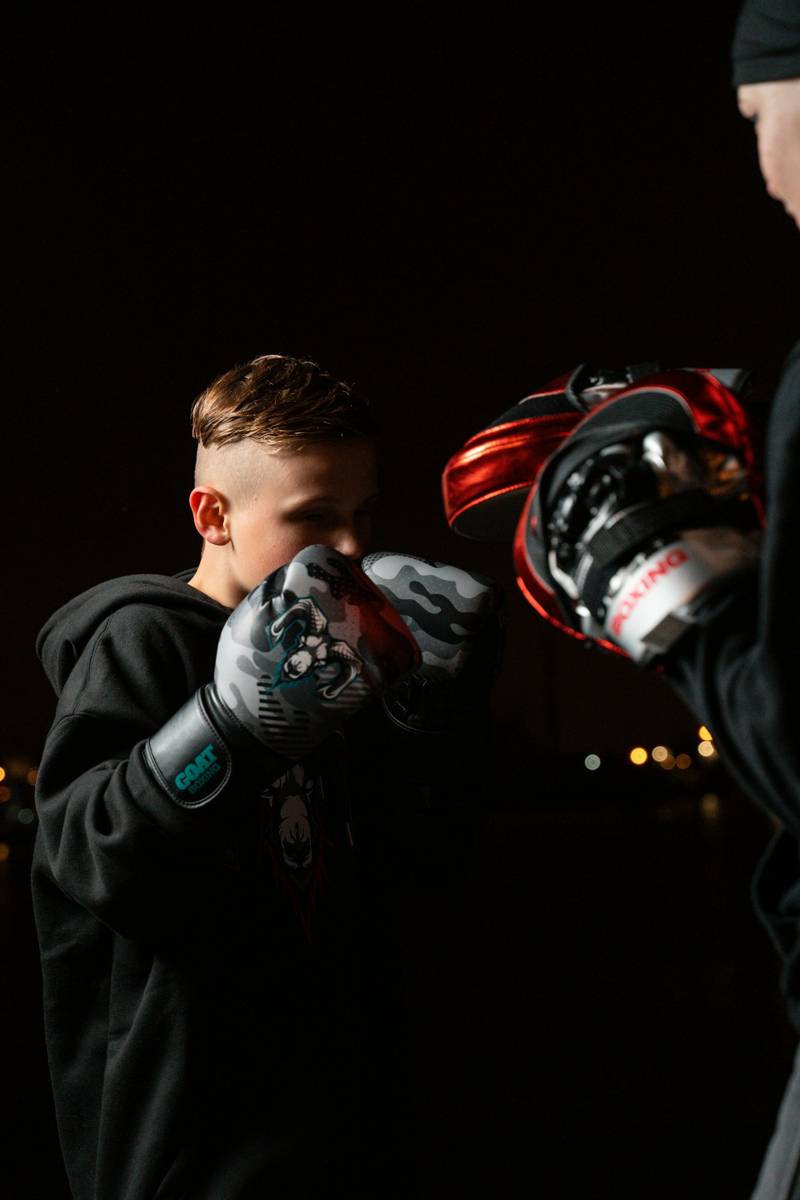
- 15 minPads and bagsRounds on mitts and heavy bags
- 10 minPartner drillsDefense and light technical work
- 10 minConditioningCore, push-ups and sprints
About 60 minutes in all.
Progress
Boxing has no belts. Children progress through skill levels at the gym and, if they choose, through amateur competition with rules for young athletes.
- 1BeginnerStance, footwork, the jab and the cross
- 2DevelopingCombinations, defense, pad and bag rounds
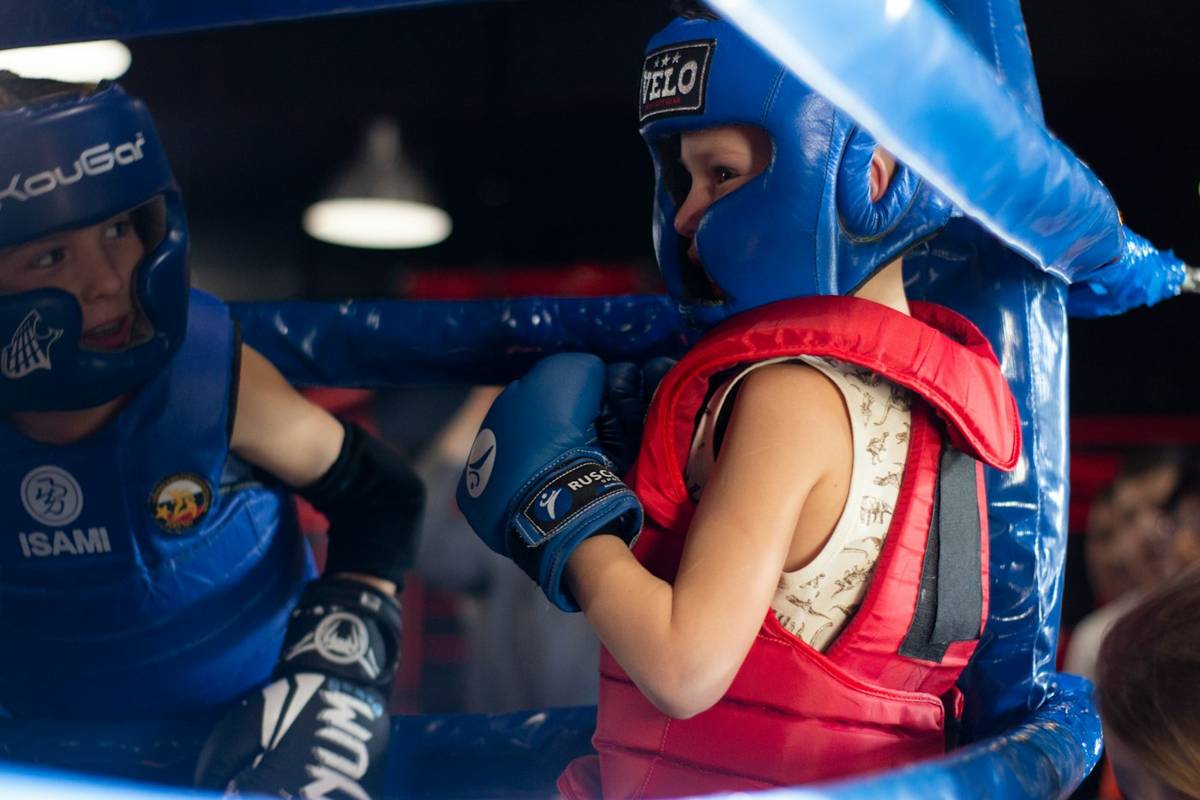
- 3Technical sparringLight, controlled, with headgear
- 4Amateur competitionOptional, matched by age, weight and experience
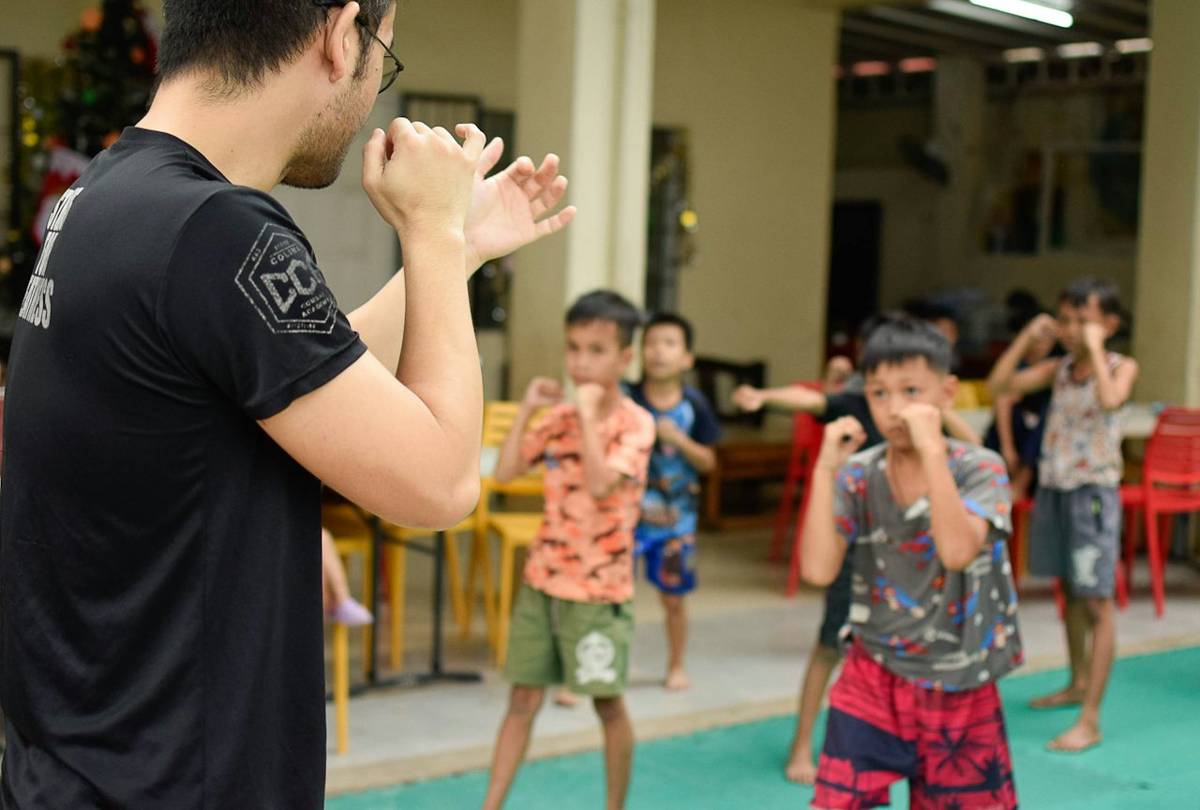
In pictures
A great fit for
- Older kids and teens who want a hard workout
- Children who like a focused, technical sport
- Families on a tight budget near a community club
Think twice if
- Your child is under about 8
- The gym lets young children spar hard
- Head contact is a deal-breaker for you
Month by month
The first year of Boxing
What a child training about twice a week usually learns. Every school sets its own pace.
- Weeks 1 to 4Stance, guard and footwork
How to stand, move and keep the hands up, plus the jab and cross on pads and bags. Lots of skipping rope and conditioning.
- Months 2 to 3Combinations and defense
Hooks and uppercuts, simple combinations, slipping and blocking. Partner drills with light, controlled touches.
- Months 4 to 8Technical sparring
Many clubs start light technical sparring in full gear, where the goal is to land clean touches, not hard punches.
- Months 9 to 12Ready to compete, if wanted
Children who want to compete may enter carefully matched amateur bouts. Many never do, and simply train for fitness and skill.
Safety and contact
Sparring
Usually light technical sparring after a few months, in headgear, gloves and a mouthguard.
Head contact
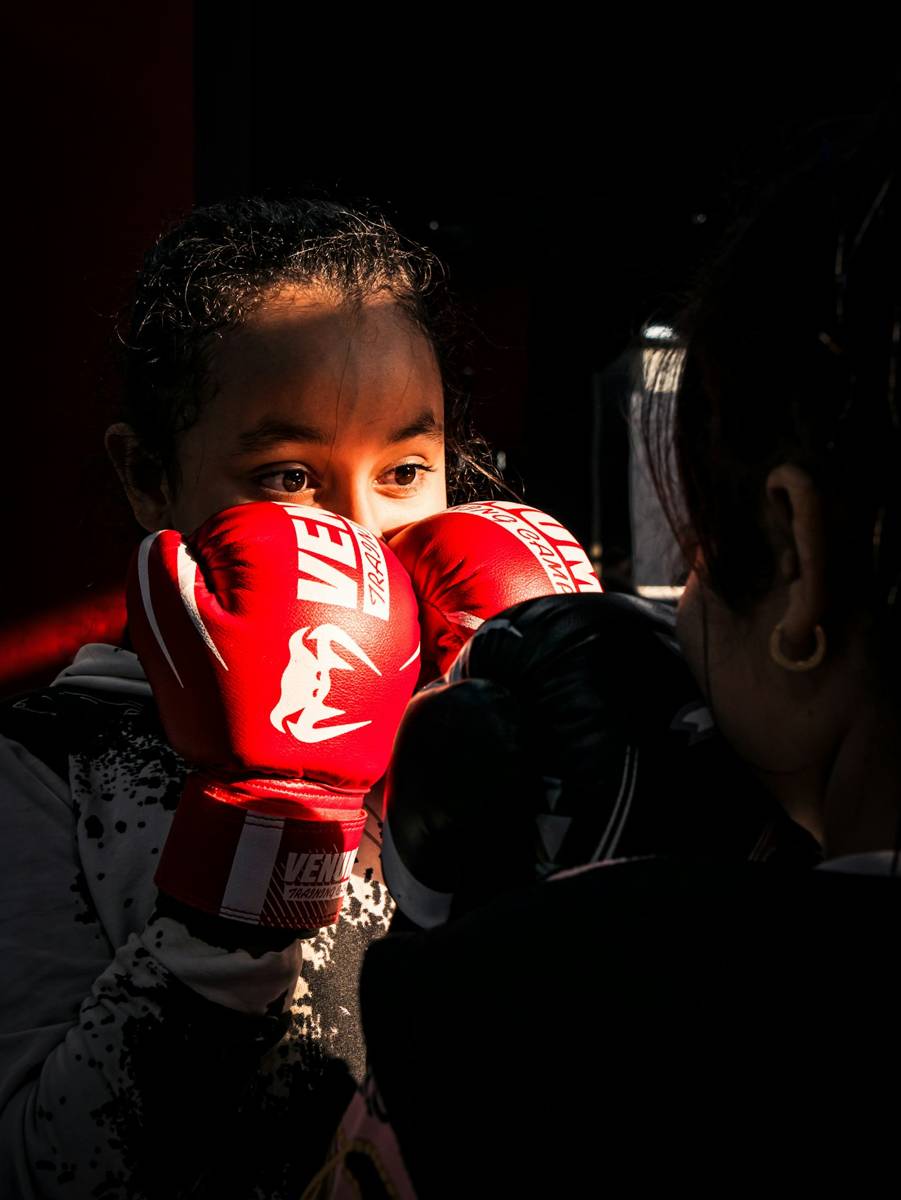
Punches to the head are part of the sport, and the American Academy of Pediatrics opposes boxing as a sport for children for that reason. Many families keep training non-contact.
Common injuries
Sore hands and wrists, bloody noses, bruises. Head knocks are the main concern to watch.
Ask the school: Ask how hard children spar, who they are matched with and what the club does after a hard hit to the head.
What it costs
Typical US ranges. Prices vary a lot by city and school.
| Monthly fee (club) | $40 to $120 |
|---|---|
| Monthly fee (commercial gym) | $120 to $220 |
| Gloves, wraps and mouthguard | $50 to $100 |
| Headgear | $50 to $100 |
Gear and when you need it
Don't buy everything up front. Most of it waits until later.
| Hand wraps and gloves | From the first weeks |
|---|---|
| Mouthguard | Before any partner work |
| Headgear | When sparring starts |
| Groin protector | For sparring, boys and many girls |
Signs of a good school
- Coaches certified by a national boxing body
- Children grouped by size and experience
- Sparring is light, supervised and optional
- Plenty of fitness, footwork and pad work
Red flags
- Hard sparring for beginners
- Children sparring adults or much bigger kids
- No headgear for youth sparring
- Pressure to fight before a child is ready
Words you'll hear in class
- Jab
- Quick straight punch with the lead hand
- Cross
- Straight punch with the rear hand
- Hook
- Curved punch from the side
- Uppercut
- Rising punch from below
- Slip
- Moving the head to avoid a punch
- Mitts
- Pads a coach holds for combinations
Myths and facts
MythBoxing classes are all fighting.
FactMost of a kids class is footwork, bag and pad work and fitness. Sparring is a small, optional part.
MythBoxing makes kids aggressive.
FactGood clubs teach control and respect. Many coaches say it channels energy rather than creates aggression.
MythIt is no use for girls.
FactGirls train and compete in boxing at every level, including the Olympics.
MythYou have to compete.
FactMost members train for fitness and skill and never box in a bout.
Questions parents ask
What age can kids start boxing?
Many clubs take children from about 8, some younger for fitness-only classes. Competition usually has its own minimum age.
Is boxing safe for kids?
Fitness and pad work are low risk. Sparring carries head contact, so choose a club that keeps youth sparring light and supervised.
Do kids get hit in boxing class?
Not in beginner classes at good clubs. Contact comes later, with gear and close supervision.
Find a Boxing class near you
Search by ZIP code, see what's close, and use our checklist when you visit.
Find a classOfficial directories
Start reading
Our guides to Boxing, written for parents.
How it compares
Side-by-side guides for parents weighing Boxing against other styles.
 Style vs styleMuay Thai vs boxing for kids: which striking sport is right for your child?Muay Thai and boxing compared for children and teens: what each teaches, starting ages, head contact and safety, fitness, competition, gear, cost and how to choose a good gym.
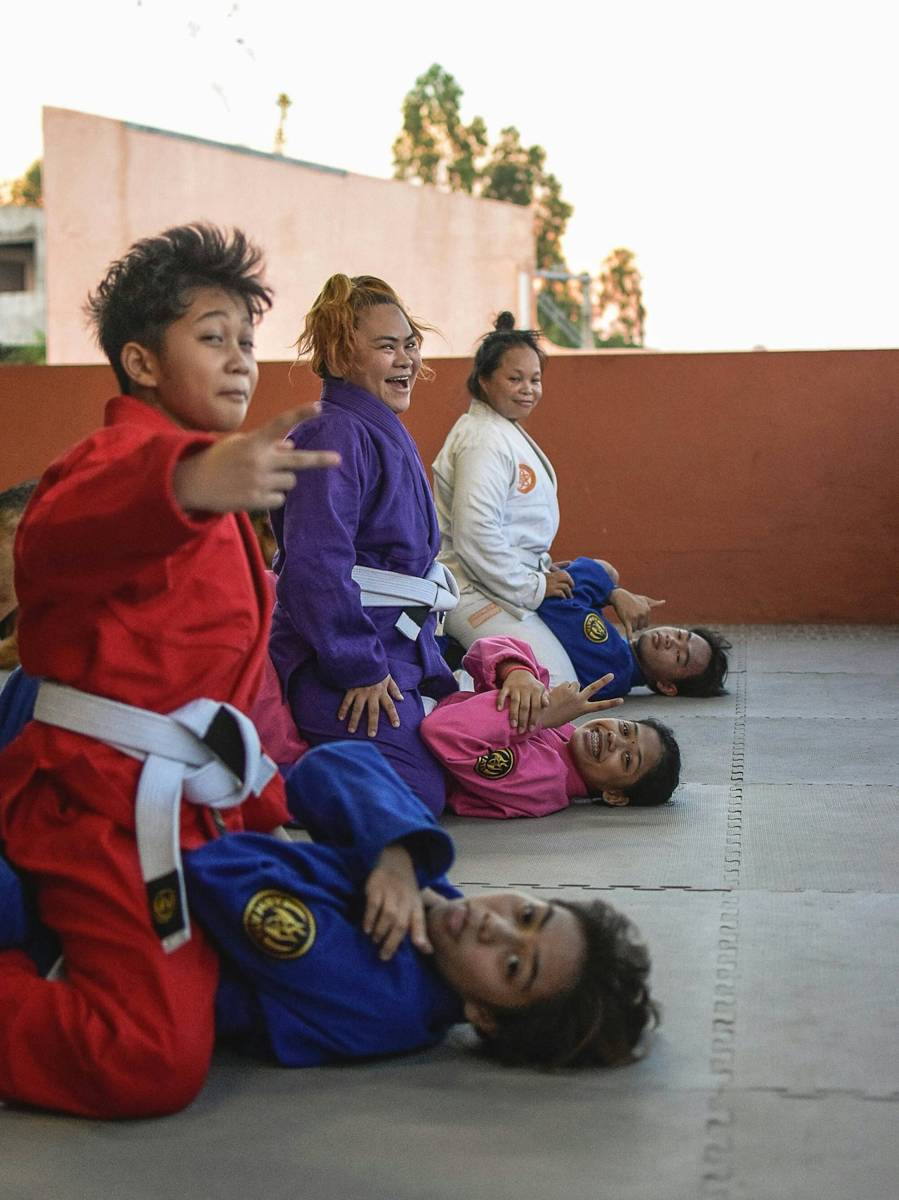 Your childSafest martial art for kids: injury risk and head contact by styleWhich martial arts are safest for children? Common injuries in each style, head contact and concussion risk, how kids' rules protect young athletes, and the safety questions to ask any school.
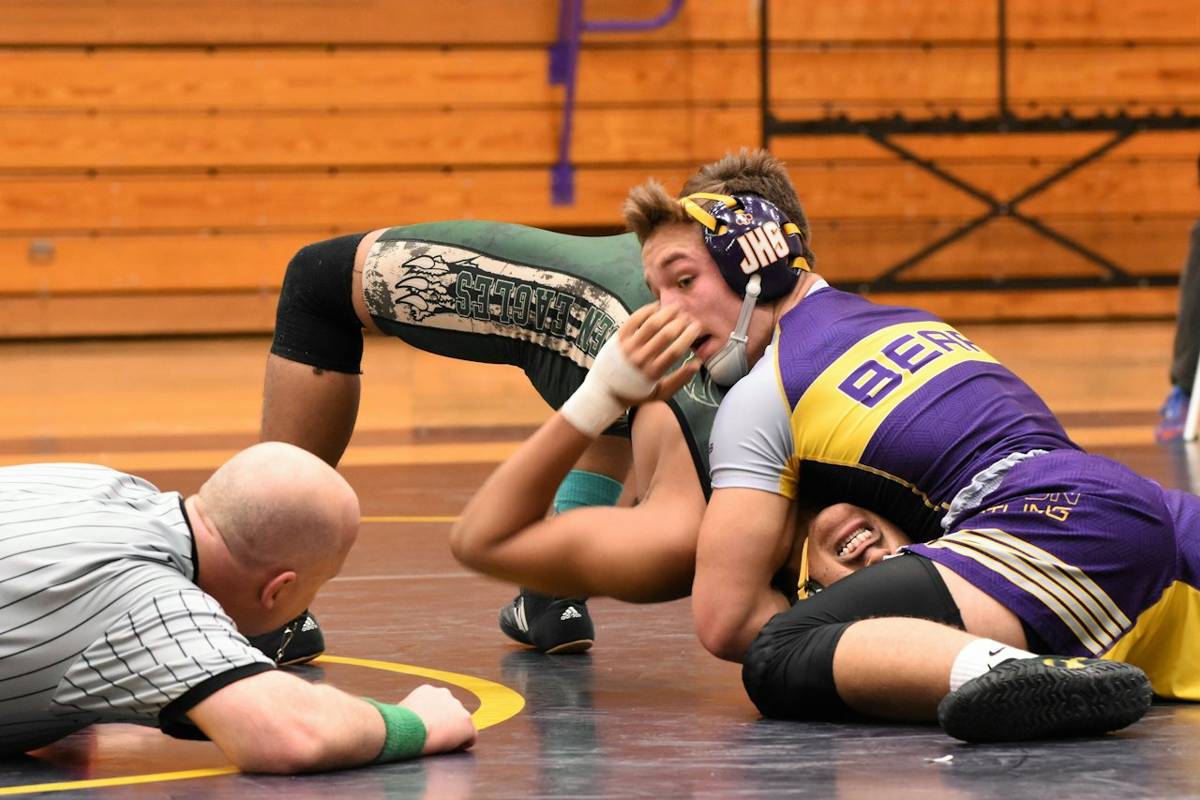 Your childStarting martial arts as a teenager: is it too late?Can a teenager start martial arts from scratch? Which styles suit teen beginners, what classes look like, catching up with younger students, self-defense, fitness and how to choose a school.